Have you ever wondered how an auto darkening welding helmet protects your eyes instantly the moment you strike a spark? If you’re serious about welding, your safety depends on this smart gear working perfectly every time.
Understanding how your helmet senses light and darkens in a split second can help you use it better and stay safe on the job. Keep reading, and you’ll discover the simple science behind this powerful tool and why it’s a must-have for every welder like you.
Credit: www.arccaptain.com
Auto Darkening Technology
An auto darkening welding helmet changes from light to dark automatically. It protects your eyes from bright welding sparks and harmful rays. This technology makes welding safer and easier.
The helmet uses special parts to detect light and adjust the lens quickly. This keeps your vision clear before, during, and after welding.
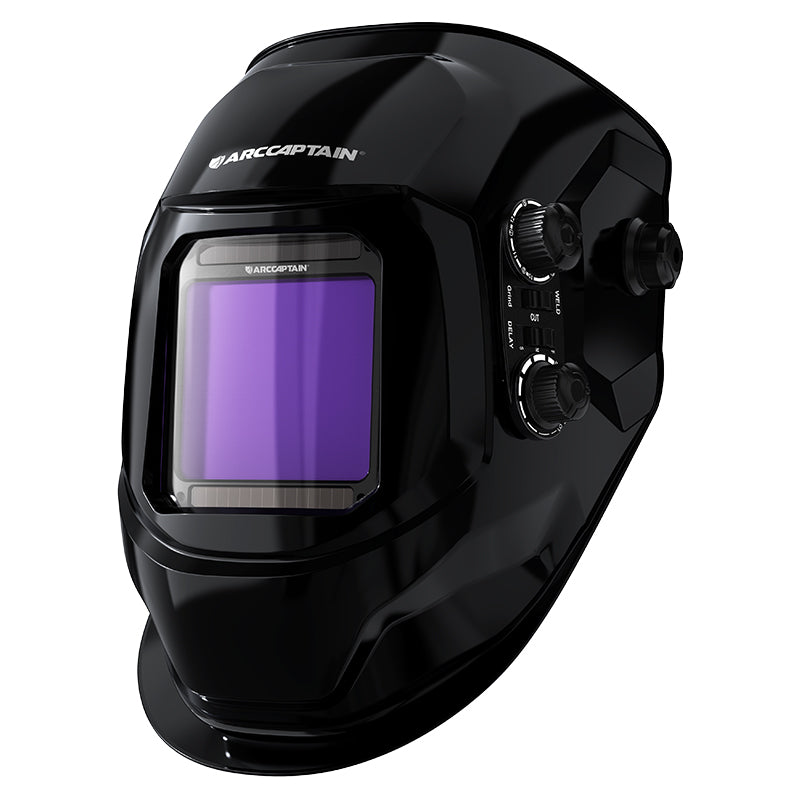
Photo Sensors And Lcd Lens
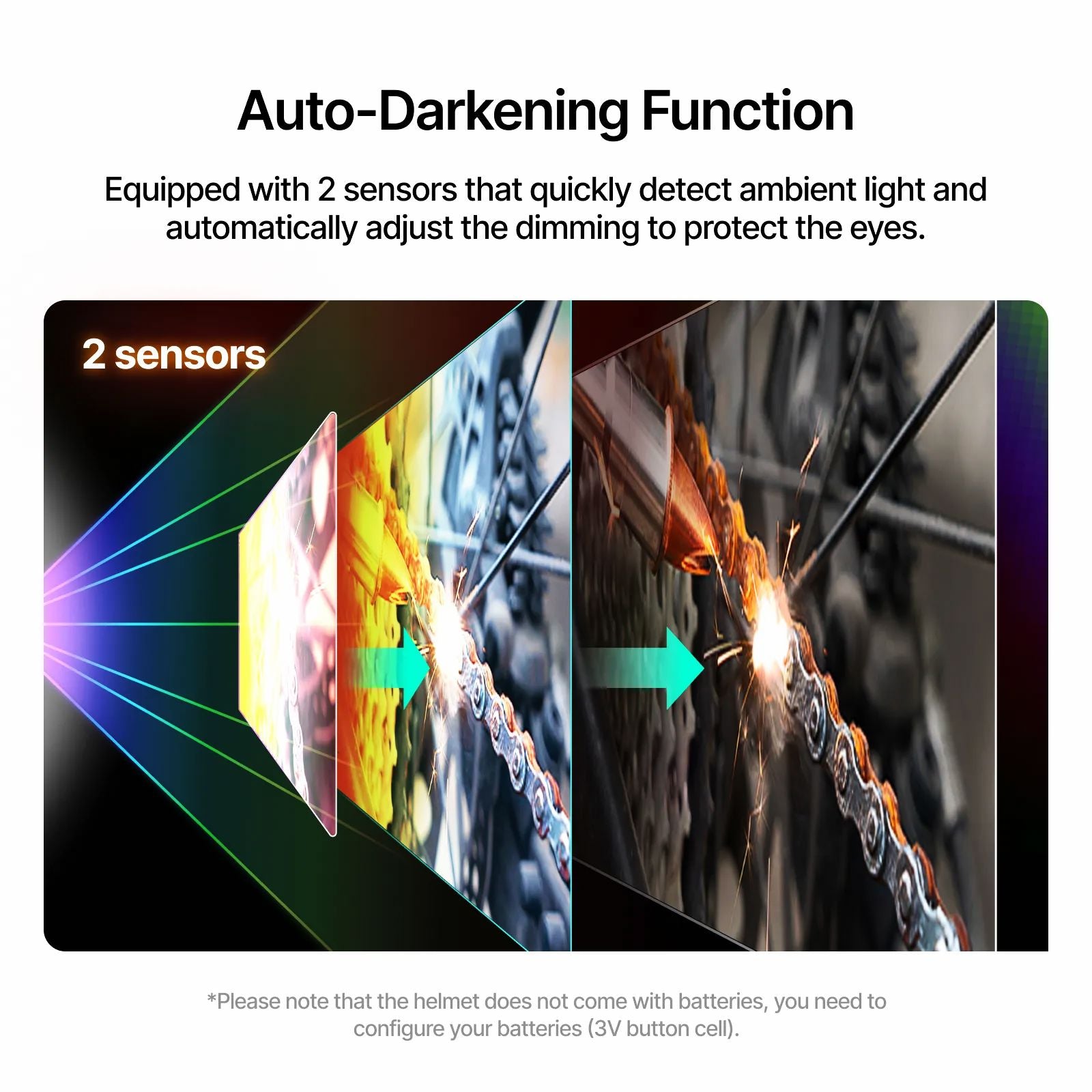
Photo sensors detect the light from the welding arc. They send a signal to the LCD lens to darken. The LCD lens blocks harmful light and lets safe light pass.
- Photo sensors are placed on the front of the helmet.
- The LCD lens changes its shade based on sensor input.
- The lens usually has different shade levels to choose from.
- The combination protects eyes from UV and infrared rays.
Reaction Time Explained
Reaction time is how fast the helmet darkens after sensing bright light. A faster reaction time means better eye protection. Most helmets react in milliseconds.
| Reaction Time | Protection Level |
| 0.1 milliseconds | High |
| 0.3 milliseconds | Medium |
| 0.5 milliseconds | Low |
Power Sources
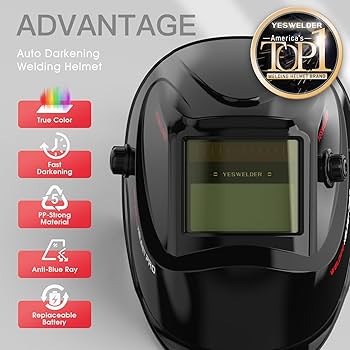
Auto darkening helmets need power to work. They use batteries, solar cells, or both. Power keeps the sensors and LCD lens active.
Common power sources include:
- Replaceable batteries, which are easy to change.
- Solar cells, which charge during welding.
- Hybrid systems that use both batteries and solar power for longer life.
Credit: www.amazon.com
Types Of Auto Darkening Helmets
Auto darkening welding helmets protect your eyes from bright light. They change lens shade automatically when welding starts. There are different types of helmets based on features and design.
Choosing the right helmet depends on your welding needs. Understanding the types helps you pick the best one.
Passive Vs Auto Darkening
Passive helmets use a fixed dark lens. You lift the helmet to see and lower it to weld. Auto darkening helmets change the lens shade automatically.
Auto darkening helmets use sensors to detect welding light. The lens darkens instantly to protect your eyes. This lets you work without lifting the helmet.
- Passive helmets have a constant dark lens
- Auto darkening helmets adjust lens shade automatically
- Auto darkening helmets improve safety and convenience
Variable Shade Settings
Variable shade settings let you change how dark the lens gets. Different welding tasks need different darkness levels. This feature helps protect your eyes better.
Many auto darkening helmets have a dial or buttons to adjust the shade. You can set a lighter shade for grinding and a darker one for welding.
- Shade levels usually range from 9 to 13
- Adjust shade based on welding type and brightness
- Improves comfort and eye protection
Viewing Area Sizes
The viewing area is the size of the lens you look through. Larger viewing areas give better visibility. Smaller areas make helmets lighter and more compact.
Choose a viewing size that fits your work style. Bigger areas help with precision. Smaller ones are good for tight spaces.
- Large viewing area improves field of vision
- Small viewing area makes helmet lighter
- Pick size based on your welding needs
Safety Features
Auto darkening welding helmets protect welders during work. They help prevent eye injuries and burns.
These helmets have special safety features to keep users safe from harmful light and physical hazards.
Uv And Ir Protection
The helmet lens blocks harmful ultraviolet (UV) and infrared (IR) rays. These rays can damage the eyes.
Protection works even when the lens is clear. This stops eye damage from bright welding arcs.
- Blocks UV rays at all times
- Blocks IR rays at all times
- Protects eyes from permanent damage
Impact Resistance
The helmet shell is made of strong materials. It resists sparks, slag, and flying debris from welding.
This impact resistance helps protect the face and head from injuries during welding tasks.
- Durable outer shell for protection
- Resists sparks and small flying objects
- Prevents cuts and bruises on the face
Adjustable Sensitivity
The helmet lens changes from light to dark quickly. Sensitivity controls adjust how fast it reacts.
This helps welders see clearly in different lighting and welding conditions. It also reduces eye strain.
- Adjust lens reaction speed
- Customize for different welding types
- Improves comfort and safety
Usage And Maintenance Tips
An auto darkening welding helmet helps protect your eyes from bright sparks and harmful rays. Using it correctly keeps you safe and comfortable.
Regular maintenance keeps the helmet working well for a long time. Follow these tips to get the best use from your helmet.
Proper Fit And Comfort
Make sure your welding helmet fits snugly but not too tight. A good fit keeps the helmet steady during work and protects your face fully.
Adjust the headband and straps to fit your head shape. Comfort is important to reduce fatigue during long welding sessions.
- Adjust headband to fit securely without pressure
- Use the helmet’s padding for extra comfort
- Check that the helmet does not block your view
- Wear the helmet with your usual safety gear
Battery Care
Most auto darkening helmets use batteries to power the lens. Proper battery care ensures the helmet works every time you need it.
Replace batteries as soon as the helmet shows signs of slow darkening or fails to turn on. Remove batteries if you store the helmet for a long time.
- Use the correct battery type for your helmet
- Replace batteries regularly to avoid power loss
- Remove batteries if the helmet is unused for months
- Keep battery contacts clean and dry
Cleaning And Storage
Clean your welding helmet after use to keep the lens clear and the helmet in good shape. Dirt and dust can reduce visibility and damage parts.
Store your helmet in a dry, cool place. Avoid leaving it in direct sunlight or damp areas, which can harm the lens and electronics.
- Use a soft cloth to clean the lens gently
- Do not use harsh chemicals on the helmet
- Keep the helmet in a protective bag or case
- Check for cracks or damage before each use
Common Issues And Troubleshooting
Auto darkening welding helmets help protect your eyes from bright light. Sometimes, they may not work right. Knowing common problems helps you fix them fast.
This guide covers common issues like lens malfunction, sensor problems, and power failures. Learn how to spot and fix these problems.
Lens Malfunction
The lens may not darken or may stay dark all the time. Dust, cracks, or damage cause lens issues. Dirt on the lens can block sensors.
Clean the lens with a soft cloth. Check for cracks or scratches. Replace the lens if it is damaged. Avoid using harsh chemicals on the lens.
- Clean lens regularly
- Inspect for cracks or scratches
- Replace damaged lenses
- Avoid harsh cleaning products
Sensor Problems
Sensors detect the welding arc and trigger the lens to darken. If sensors are dirty or blocked, the helmet may not darken. Sometimes sensors fail due to damage.
Keep sensors clean and clear of obstructions. Check sensor alignment. Replace sensors if they do not respond to light changes.
- Clean sensors gently
- Ensure sensors face the welding area
- Remove any stickers or dirt covering sensors
- Replace faulty sensors
Power Failures
The helmet needs power from batteries or solar cells. Weak or dead batteries cause the helmet to stop working. Solar cells need light to charge.
Check battery life and replace if low. Clean solar cells to ensure they get light. Turn the helmet off when not in use to save power.
- Replace old or weak batteries
- Keep solar cells clean
- Store helmet in light to charge solar cells
- Turn off helmet after use
Choosing The Right Helmet
Finding the right auto-darkening welding helmet is crucial for safety and performance. Each welder has unique needs based on the type of welding they do.
Consider factors like the type of welding, budget, and brand certifications. This helps in making an informed decision.
Matching Helmet To Welding Type
Different welding types require specific helmet features. For example, MIG, TIG, and arc welding have different light intensities.
- MIG welding needs helmets with a higher shade range.
- TIG welding requires a helmet with sensitivity control.
- Arc welding demands a robust helmet with strong lens protection.
Budget Considerations
Helmets range in price depending on features and brand. It’s important to balance cost with the necessary safety features.
| Feature | Cost Impact |
| Auto-darkening | High |
| Adjustable sensitivity | Medium |
| Lightweight design | Low |
Brand And Certification
Choosing a helmet from a reputable brand is important for quality. Look for certifications like ANSI and CE for safety assurance.
Credit: www.swingdesign.com
Frequently Asked Questions
How Does An Auto Darkening Welding Helmet Protect Eyes?
An auto darkening helmet uses sensors to detect welding arcs. It instantly darkens the lens, protecting eyes from harmful UV and IR rays. This prevents eye strain and injuries, ensuring safety while allowing clear vision before and after welding.
What Triggers The Lens To Darken Automatically?
The lens darkens when sensors detect the bright welding arc. This reaction happens within milliseconds to shield the welder’s eyes. The helmet adjusts the shade level based on the arc’s intensity for optimal protection.
Can Auto Darkening Helmets Improve Welding Accuracy?
Yes, they enhance accuracy by providing continuous visibility. Welders can see clearly before striking the arc, making precise adjustments easier. This reduces mistakes and improves overall welding quality and efficiency.
Are Auto Darkening Helmets Suitable For All Welding Types?
Most auto darkening helmets work well with various welding methods. They adapt to different light intensities from processes like MIG, TIG, and stick welding. Always check the helmet’s specifications to ensure compatibility with your welding type.
Conclusion
Auto darkening welding helmets protect your eyes from bright sparks. They use sensors to detect light and darken quickly. This helps welders see clearly and stay safe. The helmet changes shade automatically, saving time and effort. It also reduces strain on your eyes during work.
Choosing the right helmet can improve your welding experience. Understanding how it works helps you use it better. Safety and comfort go hand in hand with these helmets. They are a smart choice for every welder.