
If you use an auto darkening helmet, you probably wonder how long it will keep protecting your eyes and face. Knowing the lifespan of your helmet helps you stay safe and save money by replacing it at the right time.
You’ll discover the key factors that affect how long your auto darkening helmet lasts. You’ll also get simple tips to extend its life and spot signs that it’s time for a new one. Keep reading to make sure your helmet always works when you need it most.
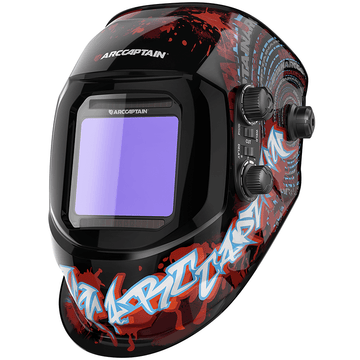
Credit: www.arccaptain.com
Auto Darkening Helmets Basics
Auto darkening helmets protect welders’ eyes from bright light and sparks. They automatically adjust the shade level during welding.
These helmets make welding safer and easier by reducing the need to lift the mask often. They help welders see clearly while working.
Key Components
Auto darkening helmets have several important parts. Each part works together to protect your eyes and improve vision.
- Lens:Changes from light to dark instantly to block bright light.
- Sensors:Detect the welding arc and trigger the lens to darken.
- Control Panel:Lets you adjust the shade level and sensitivity settings.
- Battery:Powers the lens and sensors for automatic darkening.
- Helmet Shell:Protects your face and head from heat and sparks.
How They Work
The sensors detect the bright light from welding. This signal tells the lens to change quickly.
The lens darkens within milliseconds to protect your eyes. When you stop welding, the lens returns to a clear state.
- Sensors detect welding arc light.
- Lens changes shade automatically.
- Shade level depends on your settings.
- Battery and solar cells keep power running.
- Helmet shell shields your head from heat and sparks.
Factors Influencing Lifespan
The lifespan of auto darkening helmets depends on many factors. Understanding these can help you care for your helmet.
These factors include battery life, lens durability, external damage, and how often you use the helmet.
Battery Life
The battery powers the auto darkening feature. Most helmets use replaceable or rechargeable batteries. Battery life can last from a few months to several years.
Cold weather or heavy use can shorten battery life. Regularly check and replace batteries to keep the helmet working well.
Lens Durability
The lens is the most important part of the helmet. It must block harmful light and darken quickly. Lens life varies by quality and use.
- High-quality lenses last longer.
- Scratches reduce lens effectiveness.
- Clean lenses gently to avoid damage.
- Store the helmet in a safe place.
External Damage
The helmet’s shell protects the lens and electronics. Cracks or dents weaken protection and may harm performance.
| Type of Damage | Effect on Helmet |
| Cracks | Reduces safety and may cause failure |
| Dents | May misalign lens or sensors |
| Scratches | Impairs lens clarity |
| Loose parts | Can cause malfunction |
Usage Frequency
How often you use the helmet affects its lifespan. Daily use wears parts faster than occasional use.
Proper care extends helmet life even with frequent use. Clean and inspect it regularly to catch problems early.
Typical Lifespan Range
Auto darkening helmets protect your eyes during welding. They use sensors and batteries to darken the lens quickly. Knowing how long these helmets last helps you plan for replacements.
The lifespan depends on parts like batteries and lenses. Proper care can extend the helmet’s life. Let’s look at the typical lifespan range for each part.
Average Battery Duration
Most auto darkening helmets use lithium batteries or solar cells. Batteries usually last between 1 to 3 years. Solar cells can extend battery life by recharging during use.
If the helmet dims slowly or stops working, the battery may need replacing. Always check your helmet’s manual for battery type and replacement tips.
Lens Replacement Timing
The lens is the most important part of the helmet. It protects your eyes from bright light and sparks. Most lenses last about 2 to 5 years with regular use.
Replace the lens if you see cracks, scratches, or if it stops darkening properly. Damaged lenses reduce protection and can cause eye strain.
- Replace lens every 2 to 5 years
- Check for cracks and scratches regularly
- Replace if auto darkening fails
Overall Helmet Longevity
A well-maintained auto darkening helmet can last 5 to 10 years. The helmet shell and straps usually last longer than batteries and lenses. Keep it clean and store it safely to increase lifespan.
Replace the helmet sooner if it shows signs of damage or if safety standards change. Regular checks help ensure your helmet works well every time you use it.
Signs Helmet Needs Replacement
Auto darkening helmets protect your eyes during welding. Over time, they can wear out. Knowing the signs helps keep you safe.
If your helmet does not work right, it may be time to replace it. Watch for these common issues.
Flickering Or Slow Darkening
Your helmet should darken quickly when welding starts. Flickering or slow darkening means the sensors or lens are failing.
This can cause eye strain or injury. If the helmet does not respond fast, replace it soon.
Physical Damage
Cracks, scratches, or dents on the helmet or lens reduce protection. Damaged parts can let harmful light through.
Check your helmet regularly. Replace it if you see any damage that affects safety.
- Cracked or broken lens
- Scratched or cloudy viewing area
- Dents or cracks in the helmet shell
- Loose or broken parts
Battery Malfunctions
Auto darkening helmets use batteries to work. Dead or weak batteries cause poor darkening or no response.
If your helmet stops working often or the battery life is very short, it may be time to replace it.
Maintenance Tips To Extend Lifespan
Auto darkening helmets protect your eyes during welding. Taking care of them helps keep them working well.
Good maintenance can make your helmet last longer and work safely every time you use it.
Proper Cleaning
Clean your helmet regularly to remove dirt and dust. Use a soft cloth and mild soap with water.
Avoid harsh chemicals that can damage the lens or sensors. Dry with a clean cloth after washing.
- Use a microfiber cloth for the lens
- Do not scrub hard on sensitive parts
- Clean sensors gently to avoid damage
- Keep ventilation areas free of dust
Safe Storage
Store your helmet in a dry, cool place away from sunlight. Avoid places with high heat or moisture.
Use a protective case or bag to keep it safe from scratches and drops. Do not place heavy items on top.
- Keep helmet away from direct sunlight
- Use a hard case or soft bag for storage
- Store in a place with stable temperature
- Avoid stacking heavy tools on the helmet
Regular Inspections
Check your helmet often for cracks, loose parts, or damage. Inspect the lens and sensors carefully.
Replace worn parts as needed. Test the auto darkening feature before each use to ensure safety.
- Look for scratches or cracks on the lens
- Check battery life and replace if low
- Test darkening speed and clarity
- Inspect headgear for comfort and fit

Credit: www.amazon.ca
Choosing Helmets For Durability
Auto darkening helmets are important for safety. They protect your eyes from harmful light. It’s vital to pick a durable helmet that will last.
Consider several factors before buying. These include material quality, brand reputation, and warranty. Each factor contributes to how long your helmet will last.
Material Quality
Material quality affects helmet durability. Strong materials ensure the helmet lasts longer. Check for high-quality materials when choosing a helmet.
Common materials include polycarbonate and nylon. These materials are known for their strength and reliability. A helmet made from these will serve you well.
- Polycarbonate is lightweight and strong
- Nylon provides flexibility and durability
- Look for helmets with reinforced shells
Brand Reputation
Brand reputation is key when selecting a helmet. Trusted brands often produce more reliable products. Research brands before making a purchase.
Read reviews and ask for recommendations. This helps you find brands known for quality. A good brand reputation often means better helmet longevity.
- Check customer reviews online
- Ask friends or colleagues for advice
- Consider brands with awards or certifications
Warranty Considerations
Warranties provide peace of mind. They ensure that your helmet can be repaired or replaced if needed. A good warranty is a sign of product confidence.
Check the warranty period and what it covers. Longer warranties often indicate better quality. Always read the terms and conditions carefully.
- Look for at least a one-year warranty
- Ensure the warranty covers defects
- Read the warranty terms before buying

Credit: weldmongerstore.com
Frequently Asked Questions
How Long Do Auto Darkening Helmets Typically Last?
Auto darkening helmets usually last 3 to 5 years with proper care. Battery life and lens condition impact their lifespan. Regular maintenance can extend usage and ensure consistent performance.
What Factors Affect The Lifespan Of Auto Darkening Helmets?
Battery type, usage frequency, and exposure to harsh conditions affect helmet lifespan. Proper storage and cleaning also play important roles in durability and functionality.
When Should I Replace My Auto Darkening Helmet?
Replace your helmet if the lens darkens improperly or the battery fails frequently. Cracks, scratches, or slow response times also indicate it’s time for a new helmet.
How Can I Maintain My Auto Darkening Helmet Longer?
Clean lenses regularly with a soft cloth and store the helmet in a dry place. Avoid dropping or exposing it to extreme temperatures to prolong its life.
Conclusion
Auto darkening helmets usually last between 2 to 5 years. Their lifespan depends on usage and care. Regularly check the battery and sensors for best results. Replace parts as needed to keep the helmet working well. Proper storage also helps the helmet last longer.
Choose a helmet that fits your needs and budget. Taking care of your helmet keeps you safe and saves money. Remember, a well-maintained helmet protects your eyes and face every time.