
Have you ever wished your car could take the stress out of stop-and-go traffic or those long red lights? That’s exactly what Auto Brake Hold promises to do.
This clever feature keeps your vehicle steady without you having to keep your foot on the brake. Imagine the relief of not worrying about rolling forward or accidentally letting go of the brake pedal. If you’ve ever wondered how this technology works and how it can make your daily driving easier, you’re in the right place.
Keep reading to discover how Auto Brake Hold works and why it might just become your new favorite driving assistant.
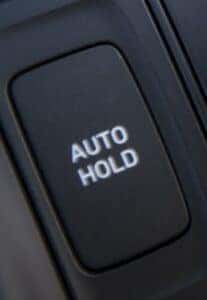
Credit: www.dicksmithhyundai.com
Auto Brake Hold Basics
Auto Brake Hold helps drivers keep their car still without pressing the brake pedal. It works on many modern cars to make driving easier and safer.
This feature is useful in traffic jams or at stoplights. It stops the car from rolling backward or forward when paused.
What Is Auto Brake Hold
Auto Brake Hold is a system that keeps the brakes applied after the driver stops the car. It holds the vehicle in place automatically without needing to keep the foot on the brake pedal.
The system releases the brakes when the driver presses the accelerator. This makes it easier to move forward smoothly from a stop.
How It Activates
The system activates when the car comes to a complete stop. Usually, the driver presses a button or the system turns on automatically in newer cars.
- The driver stops the car using the brake pedal.
- The Auto Brake Hold system locks the brakes.
- The driver can release the brake pedal and the car stays still.
- Pressing the accelerator releases the brakes and moves the car.
Key Components Involved
| Component | Function |
| Brake Control Module | Manages brake pressure to hold the car steady. |
| Electronic Parking Brake | Works with the system to lock brakes automatically. |
| Brake Pedal Sensor | Detects when the driver presses or releases the brake. |
| Accelerator Sensor | Notifies the system when to release the brakes. |

Credit: ownersmanual.kia.com
Safety Benefits
Auto brake hold is a useful car feature. It keeps the vehicle stopped without the driver holding the brake pedal. This helps in many driving situations.
Using auto brake hold improves safety. It reduces stress and helps prevent accidents. Let’s look at how it protects drivers and passengers.
Reducing Driver Fatigue
Auto brake hold lets drivers rest their feet at stops. This lowers tiredness during long drives or traffic jams. Less fatigue means better focus on the road.
- Prevents constant brake pedal pressure
- Reduces muscle strain in legs and feet
- Helps maintain alertness over time
Preventing Unintended Rolling
This feature stops the car from rolling on slopes or hills. It holds the brakes firmly after stopping. This keeps the vehicle safe until the driver presses the accelerator.
| Situation | Without Auto Brake Hold | With Auto Brake Hold |
| Parking on a hill | Car may roll back | Car stays still |
| Stop at traffic lights | Driver must keep brake pressed | Brakes stay engaged automatically |
| Starting on a slope | Risk of rolling backward | Brake hold prevents roll |
Enhancing Stop-and-go Traffic Safety
Auto brake hold helps in heavy traffic. It stops the car automatically when traffic halts. The driver can relax while waiting and move forward smoothly.
Key advantages in stop-and-go traffic include:
- Reduced chance of accidental acceleration
- Less foot fatigue from constant braking
- Smoother transitions between stops and starts
How Auto Brake Hold Works In Practice
The Auto Brake Hold system keeps your car still without pressing the brake pedal. It helps in everyday driving to reduce fatigue.
This feature is useful in traffic jams, stop lights, and on slopes. It holds the brakes until you want to move again.
Engaging The System
To start Auto Brake Hold, press the brake pedal fully and activate the system button. A light on the dashboard will show it is ready.
- Press brake pedal firmly.
- Turn on Auto Brake Hold button.
- Release brake pedal slowly.
- System holds the car in place.
Behavior At Traffic Lights
When stopped at a red light, the system keeps the brakes applied. You can relax your foot from the brake pedal.
Once the light turns green, pressing the accelerator releases the brakes automatically. You can drive forward smoothly.
Handling Inclines And Hills
| Situation | Auto Brake Hold Action |
|---|---|
| Stopping on a hill | Holds brakes to stop car from rolling back |
| Starting uphill | Releases brakes only when accelerator is pressed |
| Parking on slope | Auto Brake Hold may engage if brakes are applied |
The system gives more confidence on slopes. It stops the car from moving unexpectedly while waiting.

Credit: ownersmanual.kia.com
Compatibility With Other Systems
Auto Brake Hold is a feature in modern cars. It works with other systems to make driving safer. This guide explains how it interacts with these systems.
Understanding its compatibility helps drivers. It ensures smooth operation and enhances the driving experience.
Interaction With Abs And Esc
ABS and ESC are crucial for vehicle safety. Auto Brake Hold works alongside these systems. It ensures stability and control during stops.
- ABS prevents wheel lock during braking.
- ESC helps maintain directional control.
- Auto Brake Hold keeps brakes applied when stopped.
Integration With Adaptive Cruise Control
Adaptive Cruise Control adjusts speed based on traffic. Auto Brake Hold complements this by holding the brakes when the car stops.
The integration is seamless. When Adaptive Cruise Control brings the car to a halt, Auto Brake Hold keeps it stationary until the driver accelerates.
Manual Vs Automatic Transmission Considerations
Auto Brake Hold functions differently in manual and automatic cars. Drivers should understand these differences for optimal use.
| Transmission Type | Auto Brake Hold Functionality |
| Manual | Driver may need to engage manually |
| Automatic | Engages automatically when stopped |
Limitations And Precautions
Auto brake hold helps keep your vehicle stopped without pressing the brake pedal. It adds comfort in stop-and-go traffic. Still, it has limits you must know.
Knowing these limits helps you use the system safely. Always stay alert and ready to take control.
When Auto Brake Hold May Not Activate
Auto brake hold may not work in some situations. The system relies on sensors and conditions that must be right.
It might not activate if the vehicle is on a steep hill, if the seatbelt is not fastened, or if doors are open. Also, it may not work when the engine is cold or the battery is low.
- Steep slopes or uneven ground
- Seatbelt not fastened
- Doors open or not fully closed
- Engine just started or cold
- Low battery or electrical issues
Potential Malfunctions
Like any system, auto brake hold can have faults. Sensors might fail or software may glitch. This can stop the system from holding the brakes.
Warning lights or messages on the dashboard show if there is a problem. If you see these, the system may not work right and you must brake manually.
- Sensor failure or blockage
- Software errors or updates needed
- Warning lights on dashboard
- Brake system issues
- Power supply interruptions
Driver Responsibilities
The driver must stay alert even when auto brake hold is active. This system assists, but does not replace safe driving.
Always keep your foot near the brake pedal. Be ready to take control if the system stops working or does not activate.
- Pay attention to road and traffic
- Keep seatbelt fastened at all times
- Check for warning signs on dashboard
- Do not rely solely on the system
- Apply brakes manually if needed
Tips For Using Auto Brake Hold Effectively
Auto Brake Hold is a helpful feature in many modern cars. It keeps the brakes active even after you release the brake pedal. This guide shares tips on how to use it well for safety and convenience.
Understanding when and how to use Auto Brake Hold can improve your driving experience. Follow these simple tips to avoid common problems and keep the system working properly.
When To Activate And Deactivate
Activate Auto Brake Hold when you stop on hills, traffic lights, or stop signs. It prevents your car from rolling back or forward without needing to hold the brake pedal. Turn it off when you start driving or park your vehicle.
- Use it in stop-and-go traffic to reduce foot fatigue.
- Deactivate it on slippery or icy roads for better control.
- Switch off when parking to avoid unexpected brake release.
Maintaining System Reliability
Keep your Auto Brake Hold system reliable by following basic care tips. Regular maintenance and checks help the system work well every time you need it.
| Maintenance Tip | Why It Matters |
| Check brake fluid levels | Ensures proper brake function |
| Keep sensors clean | Prevents false activations |
| Inspect brake pads regularly | Maintains stopping power |
| Follow vehicle service schedule | Detects and fixes issues early |
Common Mistakes To Avoid
Many drivers make simple errors when using Auto Brake Hold. Avoid these mistakes to keep safe and protect your car’s brake system.
- Do not rely on Auto Brake Hold on steep slopes only.
- Avoid turning off the engine while the system is active.
- Never use it as a substitute for the parking brake.
- Do not ignore warning lights related to brakes or sensors.
- Do not use it if your vehicle manual advises against it.
Future Developments
Auto brake hold systems are evolving quickly. These systems are designed to keep your car stationary without you holding the brake pedal. New developments aim to make this feature smarter and safer.
Understanding future advancements helps us see how cars will be more user-friendly. Let’s explore how this technology is changing.
Advancements In Brake Hold Technology
Brake hold technology is becoming more precise. Sensors now detect various road conditions more accurately. This helps the system adjust braking power.
Future systems might use artificial intelligence. AI could help predict traffic situations better. This leads to a smoother driving experience.
- Improved sensors for better road detection
- AI integration for predicting traffic scenarios
- Enhanced user interface for easier control
Integration With Autonomous Vehicles
Autonomous vehicles use auto brake hold as a key feature. It ensures the car can stop safely at any moment. Future cars will have seamless integration of this system.
As cars drive themselves, brake hold will become even more important. It allows for safe stops at traffic lights and in emergencies.
- Seamless integration with autonomous systems
- Automatic stops at traffic lights
- Emergency braking for increased safety
Potential Enhancements For Safety
Safety is a top priority for auto brake hold systems. Future enhancements aim to reduce accidents. These systems will react faster to sudden stops.
New features may include communication with other vehicles. This can prevent collisions by alerting nearby cars of sudden braking actions.
- Faster reaction times for sudden stops
- Vehicle-to-vehicle communication
- Real-time traffic data analysis
Frequently Asked Questions
What Is Auto Brake Hold In Cars?
Auto brake hold keeps your car stationary without pressing the brake pedal. It activates at stops and releases when you accelerate. This feature enhances convenience and safety in traffic or on hills.
How Does Auto Brake Hold Improve Driving Safety?
Auto brake hold prevents the car from rolling backward on slopes. It reduces driver fatigue by holding the brake during stops. This system increases overall control and confidence in stop-and-go traffic.
When Should I Use Auto Brake Hold Feature?
Use auto brake hold during traffic jams, stoplights, or hill stops. It helps maintain brake pressure without your foot on the pedal. This allows a more relaxed and safer driving experience.
Can Auto Brake Hold Work With Manual Transmission?
Auto brake hold is mainly designed for automatic transmissions. Some manual cars may not support it due to clutch operation. Always check your vehicle’s manual to confirm compatibility.
Conclusion
Auto brake hold helps keep your car still without pressing the brake pedal. It works by holding brake pressure automatically after you stop. This feature makes driving in traffic or on hills easier and safer. Using it can reduce stress and improve control.
Always check your car manual to understand how to use it properly. Auto brake hold adds convenience but does not replace safe driving habits. Try it out and notice the difference in your daily drive. Simple, helpful, and designed to assist every driver.