
Have you ever wondered how your car’s auto lights seem to know exactly when to turn on or off? It feels almost magical, right?
But behind that magic is a smart system working quietly to keep you safe and make driving easier. Understanding how auto lights work can help you trust your car more and even spot when something might need fixing. Keep reading, and you’ll discover the simple secrets behind this clever feature that’s always watching out for you on the road.
Types Of Auto Lights
Auto lights help drivers see the road and other vehicles. They also make cars visible at night and in bad weather.
There are different types of auto lights. Each type uses different technology to produce light.
Halogen Headlights
Halogen headlights are the most common type of car lights. They use a tungsten filament inside a glass bulb filled with halogen gas.
These lights are affordable and easy to replace. They give off a warm yellow light and work well in most conditions.
Led Headlights
LED headlights use light-emitting diodes to create bright white light. They use less energy than halogen lights.
LEDs last longer and turn on instantly. They also allow car makers to create stylish designs.
- Energy-efficient
- Long lifespan
- Bright and clear light
Hid Headlights
HID headlights, or high-intensity discharge lights, use a gas-filled bulb and an electric arc. This produces a very bright light.
They are brighter than halogen and use less power. HID lights have a bluish-white color and improve night visibility.
- Bright, clear light
- Energy-saving
- Longer life than halogen
Adaptive Lighting Systems
Adaptive lighting systems change the direction and intensity of the light. They adjust based on driving speed and road curves.
These systems improve safety by lighting up corners and avoiding glare for other drivers. They use sensors and motors to move the lights.
- Adjust light direction automatically
- Improve visibility on curves
- Reduce glare for others
Credit: www.hagerty.com
Sensors Behind Auto Lights
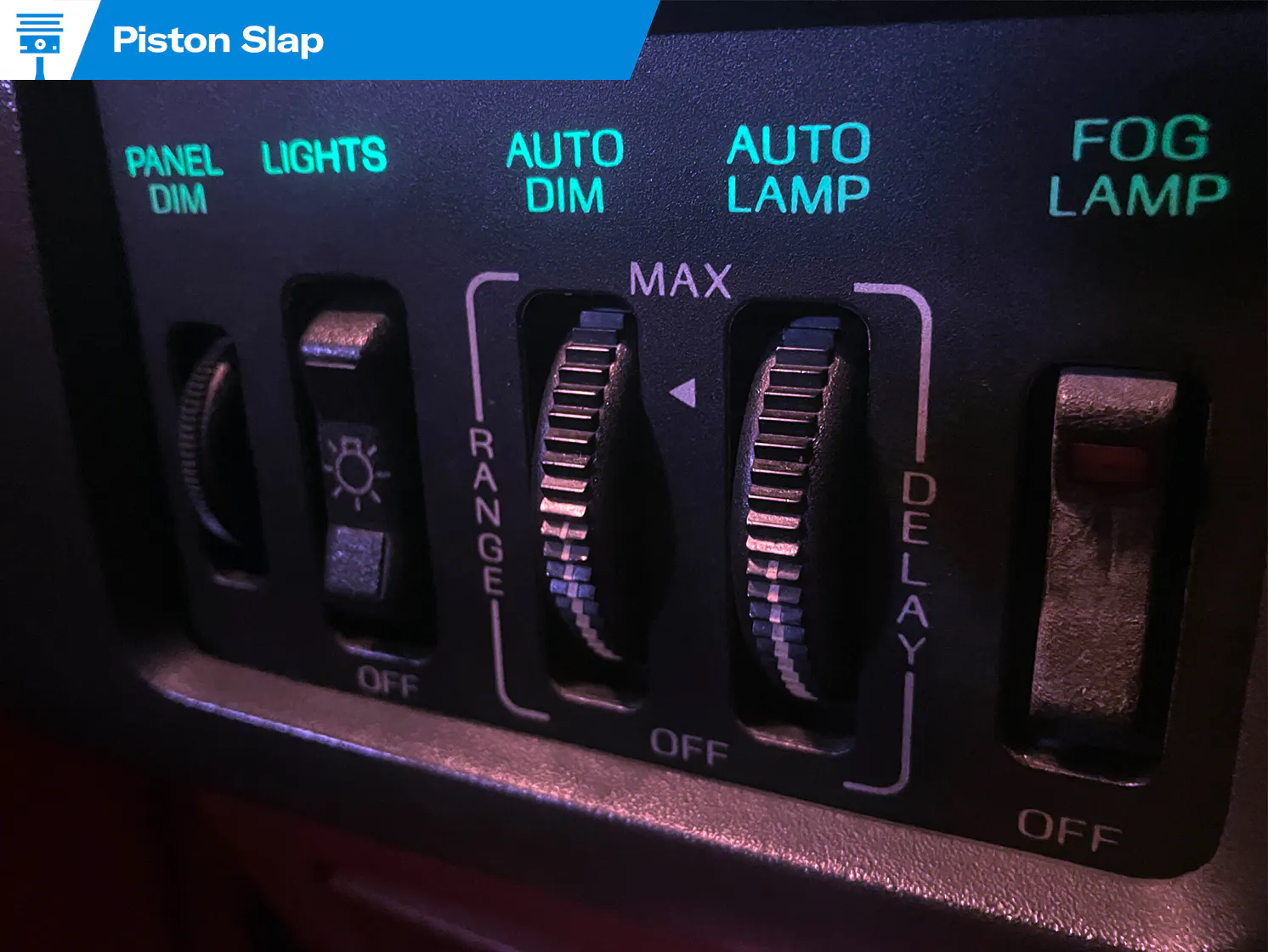
Auto lights on cars turn on and off without driver input. Sensors detect the environment to control these lights.
These sensors help improve safety by adjusting lights for visibility and weather conditions.
Light Sensors
Light sensors detect the amount of light outside the car. They turn on headlights when it gets dark or cloudy.
These sensors use photocells that measure natural light levels. When light falls below a set point, the lights activate.
Rain Sensors
Rain sensors spot water on the windshield. They tell the car to turn on the headlights during rain or heavy mist.
These sensors use infrared light to detect raindrops. They help improve visibility when weather is bad.
Camera-based Detection
Cameras scan the road and traffic ahead. They help auto lights adjust brightness and beam direction.
The system detects oncoming cars and street lights. It dims or shifts beams to avoid blinding others.
How Auto Lights Detect Conditions
Auto lights on cars turn on and off without driver help. They use sensors to detect outside conditions. This helps drivers see better and keeps roads safer.
These lights adjust based on light, weather, speed, and steering. This makes driving easier in different situations.
Ambient Light Measurement
Cars have light sensors that measure the brightness outside. These sensors can tell if it is day, night, or cloudy. If it gets dark, the auto lights turn on.
- Sensors detect sunlight levels
- Lights switch on when it becomes dark
- Lights turn off when there is enough daylight
Weather And Road Conditions
Auto lights also react to weather like rain or fog. They can sense if the road is wet or if visibility is low. This makes the lights brighter or flash to warn others.
| Condition | Light Response |
| Rain | Lights brighten for better visibility |
| Fog | Fog lights activate to cut through haze |
| Snow | Lights adjust to reflect less glare |
Speed And Steering Input
The car checks speed and steering to adjust lights. If turning, the lights move to light up the curve. At high speed, lights stay brighter for safety.
- Turn signal activates corner lights
- Faster speed keeps headlights on full beam
- Slower speed may dim lights to avoid glare
Automatic Headlight Activation
Automatic headlights turn on and off without driver input. They use sensors to detect light outside the car. This helps improve safety and convenience.
The system activates headlights when it gets dark or when entering tunnels. It switches them off in daylight or bright conditions.
Turning Lights On And Off
Automatic headlights use a light sensor, usually on the dashboard or windshield. It measures ambient light levels to decide if headlights should be on or off.
- The sensor detects low light like dusk or rain.
- Headlights turn on to improve visibility.
- When light returns, headlights turn off automatically.
- The driver can override the system manually if needed.
Adjusting Brightness Levels
Some cars allow drivers to adjust headlight brightness. This helps avoid glare for other drivers and improves road visibility.
| Brightness Setting | Use Case |
| Low | City driving and traffic |
| Medium | Suburban roads |
| High | Dark or rural roads |
Switching Between High And Low Beams
Automatic headlights can switch between high and low beams. Sensors detect other vehicles and adjust beams to avoid blinding drivers.
- High beams activate on dark, empty roads.
- Low beams turn on when another car is ahead or approaching.
- The system switches quickly to protect other drivers’ vision.
- Drivers can manually control beams if needed.
Smart Lighting Features
Car lights have become smarter to improve safety and driving comfort. These features adjust automatically to different road conditions.
Smart lighting helps drivers see better and avoid blinding other drivers. Let’s explore some common smart lighting features.
Adaptive Beam Control
Adaptive beam control changes the headlight pattern based on the road and traffic. It adjusts the light to avoid glare while keeping good visibility.
- Detects oncoming vehicles and dims bright areas
- Brightens dark areas for better road visibility
- Adjusts beam direction when the car turns
Cornering Lights
Cornering lights turn on when the car is turning. They shine light into the corner to help drivers see pedestrians and obstacles.
| Feature | Benefit |
|---|---|
| Activated by steering angle | Lights up the road in the turn direction |
| Works at low speeds | Improves safety in parking lots and city streets |
| Usually uses additional small lamps | Provides extra light without glare |
Glare-free High Beams
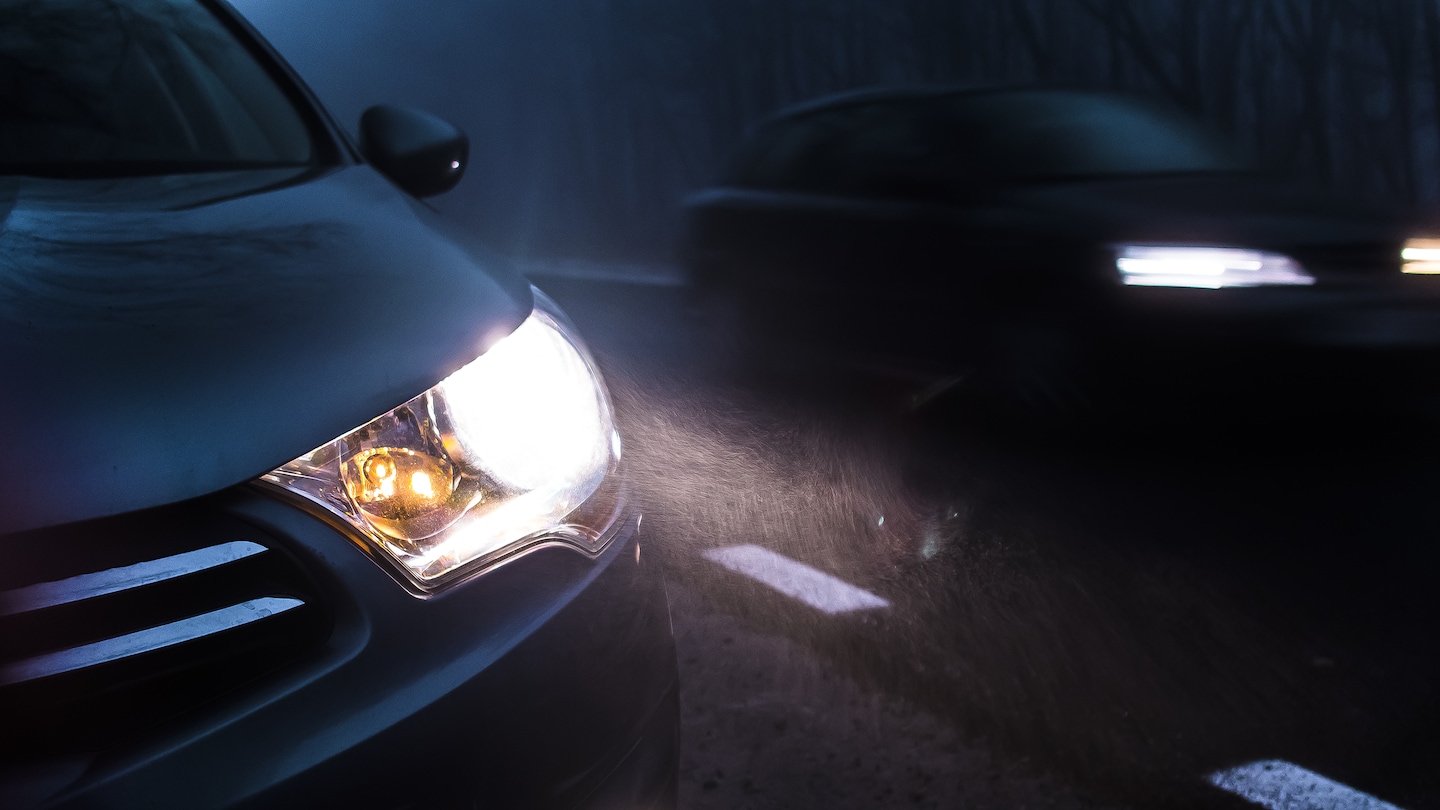
Glare-free high beams shine bright without blinding other drivers. They use sensors to detect other cars and block light in their direction.
- Automatically switch between high and low beams
- Use cameras to spot vehicles ahead and oncoming
- Create shadow zones to avoid glare
- Keep the rest of the road brightly lit
Credit: www.chase.com
Benefits Of Auto Lights
Auto lights on cars turn on and off by themselves. They use sensors to detect light outside.
These lights help drivers see better and make driving safer in different conditions.
Enhanced Safety
Auto lights turn on when it gets dark or in bad weather. This helps drivers see the road clearly.
Other drivers can see your car better, reducing the chance of accidents at night or in fog.
- Improve visibility in low light
- Alert other drivers to your presence
- Reduce risk of collisions
Energy Efficiency
Auto lights use sensors to switch off when not needed. This saves battery power and energy.
They avoid wasting light during the day or when the car is parked in bright places.
- Turn off automatically in daylight
- Save car battery life
- Reduce energy waste
Convenience For Drivers
Auto lights remove the need to turn lights on or off manually. Drivers can focus on the road.
They work in all conditions, so drivers do not forget to use lights when needed.
- Automatic switching on and off
- Reduce driver distraction
- Work in all weather and lighting
Common Issues And Maintenance
Auto lights on cars help drivers see better at night. They also make vehicles visible to others. Keeping these lights working is important for safety.
Many parts can go wrong with auto lights. Knowing about common issues helps in fixing them. Maintenance can prevent most problems.
Sensor Malfunctions
Sensors control when auto lights turn on and off. If sensors fail, lights may not work properly. This can be dangerous while driving at night.
- Dirty sensors might not detect light changes
- Broken sensors can cause lights to stay off
- Wiring issues might disrupt sensor signals
Bulb Replacement
Bulbs are crucial for auto lights. Over time, they burn out. Replacing them ensures lights remain bright and effective.
| Bulb Type | Replacement Frequency |
| Halogen | Every 1-2 years |
| LED | Every 5-10 years |
| HID | Every 2-3 years |
Calibration Needs
Calibration ensures lights point in the right direction. Misaligned lights can blind other drivers or reduce your own visibility.

Credit: www.youtube.com
Future Trends In Auto Lighting
Auto lighting is changing with new technology. It helps drivers see better and makes cars safer.
Innovations are focused on improving visibility and integrating with smart systems. Let’s explore some exciting trends.
Laser Lighting
Laser lights are bright and efficient. They provide a longer reach than traditional lights.
They use less energy and last longer. This makes them a great choice for modern cars.
- Brighter than LED lights
- Longer lifespan
- Energy efficient
Vehicle-to-vehicle Communication
Cars can now talk to each other. This helps prevent accidents and improves traffic flow.
Lights can signal other vehicles. They share information like speed and direction.
| Benefit | Description |
| Safety | Reduces accidents by sharing data |
| Efficiency | Improves traffic flow |
Integration With Autonomous Driving
Self-driving cars use advanced lights. These lights help in navigation and ensure safe driving.
They work with sensors and cameras. This integration makes autonomous driving more reliable.
- Lights guide the car
- Enhances sensor accuracy
- Supports safe navigation
Frequently Asked Questions
How Do Car Auto Lights Detect Darkness?
Auto lights use a light sensor to detect low ambient light. When it gets dark, the sensor signals the system to turn on headlights automatically.
What Triggers Auto Headlights To Turn Off?
Auto headlights turn off when ambient light increases. The sensor senses daylight and signals the lights to switch off for energy saving.
Can Auto Lights Adjust Brightness Automatically?
Yes, some auto lights adjust brightness based on surroundings. They dim in well-lit areas and brighten in dark or foggy conditions for safety.
Are Auto Lights Reliable In All Weather Conditions?
Auto lights work well in most weather but may struggle in heavy fog or snow. Manual control is recommended in extreme conditions for better visibility.
Conclusion
Auto lights help drivers see better in low light or dark. Sensors detect outside light and switch headlights on or off. This makes driving safer at night or in bad weather. Knowing how these lights work helps you trust them on the road.
They save you time and improve visibility without any effort. Cars keep you safer with this smart technology. Stay aware and enjoy easier driving with auto lights.