
Have you ever wondered how auto chains actually help your car grip the road in snowy or icy conditions? If you’ve faced slippery roads, you know how important it is to have reliable traction.
Understanding how auto chains work can give you the confidence to drive safely when winter hits. You’ll discover the simple mechanics behind auto chains and why they’re a must-have for anyone who drives in tough weather. Keep reading to learn how these small devices can make a big difference for your safety and control on the road.

Credit: www.youtube.com
Basics Of Auto Chains
Auto chains are devices that help tires get better grip on snowy or icy roads. They wrap around the tires to increase traction. This makes driving safer in winter conditions.
Auto chains work by digging into the snow and ice. They stop tires from slipping and sliding. This helps cars move forward and stop more easily.
Types Of Auto Chains
There are several types of auto chains. Each type suits different driving needs and conditions. Some are easier to install, while others offer better traction.
- Link Chains: The most common type, made of metal links.
- Cable Chains: Made with steel cables, lighter and easier to install.
- Composite Chains: Use synthetic materials mixed with metal for flexibility.
- Self-tightening Chains: Automatically adjust tightness while driving.
Materials Used
Auto chains are made from strong materials to handle rough use. The materials must resist cold and wear. Good materials keep the chains safe and long-lasting.
- Steel: Most common for strength and durability.
- Alloy Steel: Offers better rust resistance.
- Plastic or Nylon: Used in composite chains for light weight.
- Rubber: Sometimes added to reduce noise and wear.
Chain Components
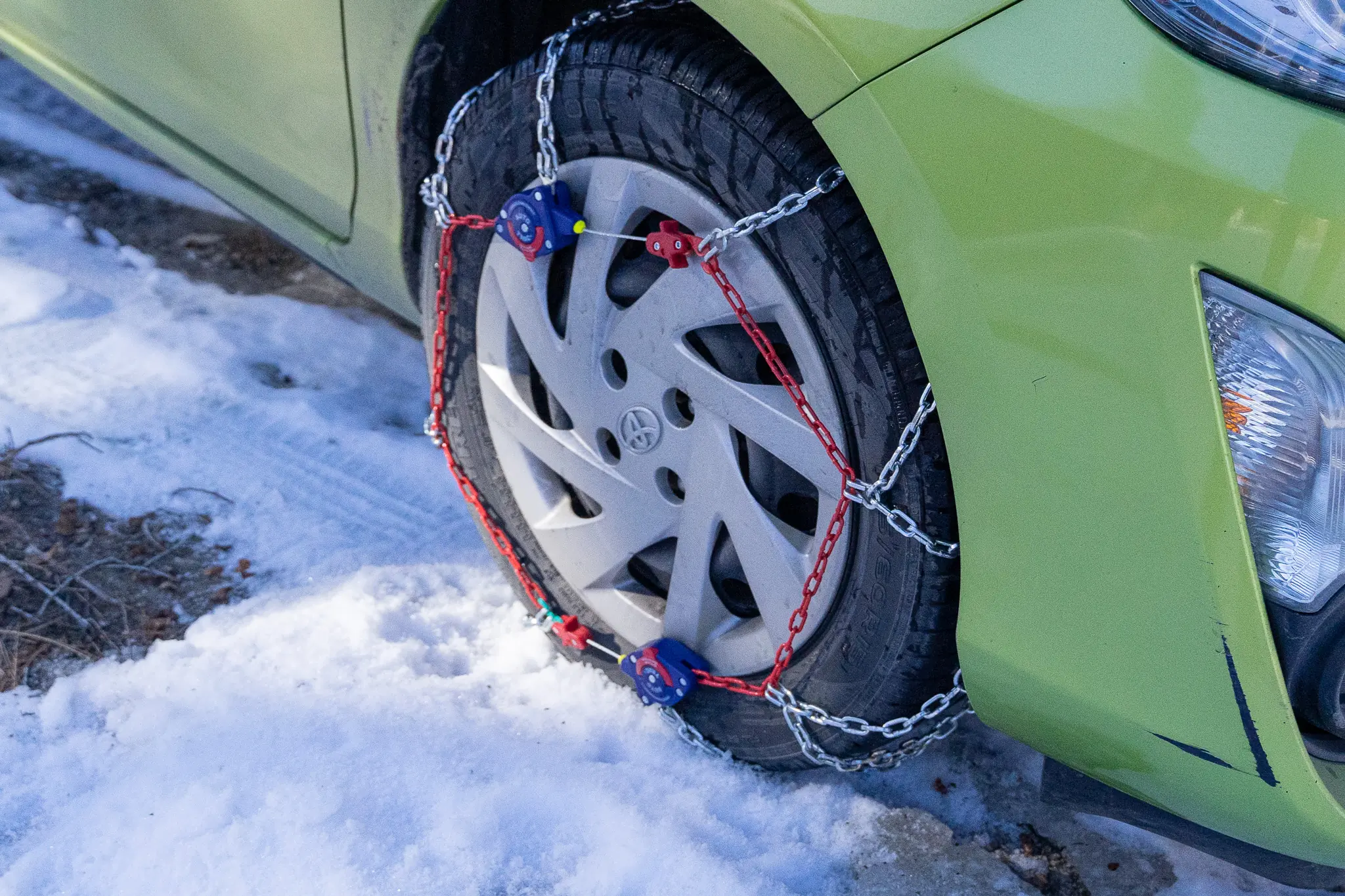
Auto chains have several parts that work together. Each part helps fit the chain and improve tire grip. Knowing the parts helps with installation and maintenance.
- Cross Chains: The main links that go over the tire tread.
- Side Chains: Wrap around the tire sidewalls to hold the chain in place.
- Tensioners: Keep the chains tight on the tire.
- Hooks or Clasps: Connect the ends of the chains securely.
How Auto Chains Improve Traction
Auto chains help vehicles get better grip on slippery roads. They are important for driving in snow and ice.
These chains wrap around tires and increase the friction between the tire and the road. This helps drivers stay safe and in control.
Interaction With Snow And Ice
Auto chains dig into snow and ice to prevent tires from slipping. They break the surface layer to create better contact.
The chains help tires push through packed snow and hard ice. This reduces sliding and helps the vehicle move forward.
Enhancing Tire Grip
Tires alone can lose grip on slippery surfaces. Chains add metal links that increase roughness and friction.
This extra grip allows the tires to hold the road better. It stops wheels from spinning and losing control.
- Metal chains create more surface friction
- Chains prevent wheel slippage
- Improved grip helps in climbing hills
Impact On Vehicle Stability
Auto chains improve stability by keeping tires steady on slippery roads. This helps the driver maintain control.
With better traction, the vehicle is less likely to slide sideways or skid. This makes driving safer in tough conditions.
- Chains reduce sideways sliding
- Better traction helps steering control
- Improves braking on ice and snow
Safety Benefits Of Using Chains
Using auto chains improves vehicle safety on slippery roads. Chains give tires better grip on snow and ice.
They help drivers avoid accidents by reducing the chance of slipping and losing control. Understanding how chains help can keep you safe.
Preventing Skids And Slips
Chains increase traction between tires and road. This traction lowers the risk of skidding on icy or snowy surfaces.
- Chains dig into ice, giving tires a better hold
- They stop wheels from spinning on slick roads
- Chains help maintain steady movement in tough weather
Maintaining Control On Slopes
Chains help drivers keep control when driving uphill or downhill. They reduce tire slip, which can cause loss of control.
| Road Condition | Effect of Chains |
| Uphill Snow | Improves traction to climb safely |
| Downhill Ice | Prevents skidding and sliding |
| Steep Slopes | Allows smoother braking and turning |
Legal Requirements And Recommendations
Many areas require chains in winter weather. Laws help prevent accidents on icy roads.
Important points about chain laws:
- Check local rules before winter driving
- Some roads require chains during storms
- Failing to use chains can lead to fines
Choosing The Right Chain For Your Vehicle
Auto chains help your vehicle move safely on snow and ice. Choosing the right chain is important for good grip and safety.
Not all chains fit every vehicle or tire. You must pick the right size and type for your needs.
Matching Chain Size To Tire Size
Chains come in different sizes to fit tire widths and diameters. Using the wrong size can cause damage or poor performance.
Check your tire sidewall for size numbers. Match these numbers with the chain size guide from the chain maker.
- Tire width (e.g., 205 mm)
- Aspect ratio (e.g., 55)
- Wheel diameter (e.g., 16 inches)
Considering Vehicle Type
Different vehicles need different chains. Light cars, SUVs, and trucks have different weight and clearance needs.
Check your vehicle manual for chain rules. Some cars have limited space near tires and need low-profile chains.
- Light cars usually fit standard chains
- SUVs may need heavy-duty or reinforced chains
- Trucks often require larger, stronger chains
- Some vehicles with ABS or traction control need special chains
Evaluating Road Conditions
Your usual driving roads affect chain choice. Deep snow, ice, or mixed conditions call for different chains.
Choose chains based on how often and where you drive. Some chains are better for icy roads, others for thick snow.
- Diamond pattern chains offer good grip on ice
- Ladder style chains work well in deep snow
- Cable chains are lighter and easier to install
- Studded chains provide extra traction on ice
Installing Auto Chains
Auto chains help improve tire grip on snow and ice. Installing them correctly is important for safety. This guide shows how to fit auto chains step-by-step.
Follow the instructions carefully to avoid damage and ensure a secure fit. Knowing common mistakes and quick tips will make the process easier.
Step-by-step Installation Guide
Park your vehicle on a flat, safe surface and turn off the engine.
Lay the auto chains flat on the ground near the tires you will install them on.
Spread the chain over the top of the tire, making sure the hooks face outward.
Drive forward a few feet slowly to position the chains evenly around the tire.
Connect the chain ends securely using the fasteners or tensioners provided.
Check that the chains fit tightly and do not hang loose.
Test drive slowly and listen for unusual noises, then re-tighten if needed.
Common Installation Mistakes
Not parking on a flat surface, causing instability.
Placing chains with hooks facing inward, risking tire damage.
Failing to secure chain fasteners tightly.
Installing chains on the wrong tires (check your vehicle’s drive type).
Driving too fast right after installation.
Not checking chain tension after a short drive.
Tips For Quick Setup
| Tip | Benefit |
|---|---|
| Practice fitting chains at home | Speeds up real installation |
| Keep gloves and a flashlight ready | Makes working in cold or dark easier |
| Use chain tensioners or adjusters | Improves fit and prevents slipping |
| Check tire size before buying chains | Ensures correct chain fit |
| Carry a small tool kit | Helps fix any loose links |

Credit: www.youtube.com
Maintaining Auto Chains
Auto chains help your vehicle drive safely on icy roads. Proper maintenance extends their life.
Here, we explore key steps for maintaining your auto chains effectively.
Cleaning And Storage
Keeping your auto chains clean prevents rust and damage. Proper storage ensures they are ready for use.
- Wash chains with warm water to remove salt and grime.
- Dry them thoroughly to prevent rusting.
- Store in a dry, cool place, avoiding direct sunlight.
Inspecting For Damage
Regular inspection helps catch issues before they worsen. Check chains after each use.
Look for these signs of damage:
- Broken links
- Twisted chains
- Excessive wear
Replacing Worn Chains
Replace chains when they are too worn to work effectively. This ensures your safety on the road.
| Condition | Action |
| Minor wear | Monitor closely |
| Moderate wear | Replace soon |
| Severe wear | Replace immediately |
Alternatives To Auto Chains
Driving in snowy areas can be tricky. Auto chains help, but there are other options. These alternatives can be easier to use and just as effective.
Let’s explore some of these alternatives. They include snow socks, studded tires, and all-weather tires.
Snow Socks
Snow socks are fabric covers for your tires. They provide grip on snowy roads. They are easy to put on and take off.
- Lightweight and easy to store
- Quick installation process
- Suitable for short drives
Studded Tires
Studded tires have metal studs. These studs dig into ice and snow, offering excellent traction. They are best for long trips in icy conditions.
| Feature | Benefit |
| Metal studs | Improved grip |
| Durable | Long-lasting performance |
| Winter use | Best for icy roads |
All-weather Tires
All-weather tires work well in different climates. They can handle rain, snow, and dry roads. They are a good choice for areas with mild winters.
Driving Tips With Auto Chains
Auto chains help your tires grip snow and ice. They improve safety in winter roads.
Using chains correctly keeps you safe and protects your car. Follow these tips for better driving.
Speed And Handling Adjustments
Drive slower than usual when using auto chains. Chains reduce your tire’s speed limit.
Handle your car gently. Avoid sharp turns and sudden stops to keep control.
- Keep speed below 30 mph (50 km/h)
- Accelerate and brake smoothly
- Use gentle steering movements
Avoiding Chain Damage
Chains can break if you drive on dry or clear roads. Use them only on snow or ice.
Check chains often for tight fit. Loose chains may damage tires or car parts.
- Remove chains on dry roads
- Check chain tension regularly
- Fix or replace damaged chains before use
When To Remove Chains
Take off chains when roads are clear and safe. Chains can wear tires on bare pavement.
Remove chains after you leave snowy or icy areas. This prevents damage and keeps driving smooth.
- Remove chains as soon as snow ends
- Do not drive long distances with chains
- Store chains dry and clean after use
Credit: gearjunkie.com
Frequently Asked Questions
How Do Auto Chains Improve Vehicle Traction?
Auto chains wrap around tires to increase grip on slippery surfaces. They prevent wheel slip by enhancing tire contact with snow or ice. This improves vehicle control and safety in harsh winter conditions.
What Materials Are Auto Chains Made From?
Auto chains are typically made from durable steel or alloy metals. These materials resist wear, rust, and breakage. Their strength ensures reliable performance on tough road conditions.
Can Auto Chains Damage My Tires Or Roads?
Properly installed auto chains do not damage tires or roads. However, using them on dry pavement can cause wear and tear. Always follow manufacturer guidelines for safe usage.
How Do I Install Auto Chains On My Tires?
Install auto chains by laying them flat, wrapping them around tires, and securing fasteners tightly. Check for proper fit and tension before driving. Practice installation in a safe area beforehand.
Conclusion
Auto chains wrap around tires to improve grip on snow and ice. They dig into slippery surfaces, helping cars avoid slipping. Installing them correctly is key for safety and performance. Chains give drivers more control in tough winter conditions. Remember to remove chains on clear roads to protect tires.
Understanding how auto chains work keeps driving safer in winter. They offer a simple, effective way to handle snowy roads. Safe travels start with the right equipment and knowledge.