
Have you ever faced a sudden electrical problem in your car and wondered if a blown fuse is the culprit? Checking your auto fuses might sound tricky, but it’s actually something you can do yourself quickly and safely.
Knowing how to check your car’s fuses can save you time, money, and the hassle of unexpected breakdowns. In this guide, you’ll learn simple, step-by-step tips to find out if a fuse needs replacing—no special tools or expertise required. Keep reading to take control of your car’s electrical health and avoid surprises on the road.
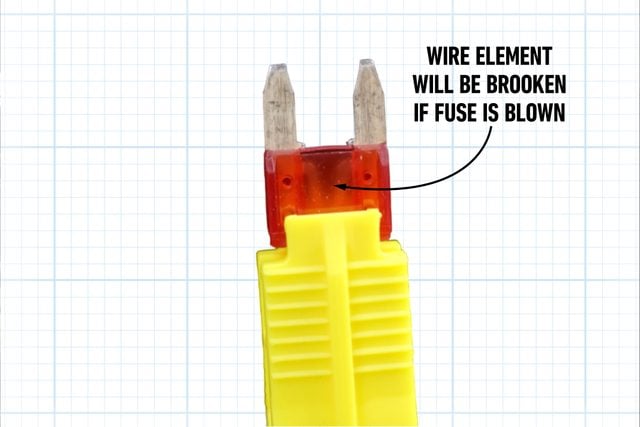
Credit: www.familyhandyman.com
Car Fuse Basics
Auto fuses protect your car’s electrical system. They stop damage from too much current.
Knowing about fuses helps you check and replace them safely. This guide covers the basics.
Purpose Of Auto Fuses
Fuses act as safety devices in your car’s electrical circuits. They prevent wires from overheating.
If a circuit gets too much current, the fuse breaks. This stops power flow and protects parts.
Types Of Fuses In Cars
- Blade fuses: Most common, easy to replace with plastic bodies and two metal prongs.
- Glass tube fuses: Older style, cylindrical glass with metal caps on ends.
- Resettable fuses: Also called circuit breakers, they reset after tripping.
- Mini fuses: Smaller blade fuses for compact spaces in modern cars.
Common Fuse Ratings
| Rating (Amps) | Typical Use |
| 5A | Small circuits like lights or sensors |
| 10A | Medium loads such as radio or power windows |
| 15A | Stronger circuits like headlights |
| 20A | High power devices like cooling fans |
| 30A | Main power circuits or large accessories |
Tools Needed
Checking auto fuses is simple with the right tools. Using proper tools helps find blown fuses quickly.
This guide shows the tools you need to test fuses safely and easily.
Fuse Puller Or Pliers
A fuse puller is a small plastic tool designed to remove fuses safely. It grips fuses firmly without damage.
If you do not have a fuse puller, needle-nose pliers work well. Use them gently to avoid breaking the fuse.
- Fuse puller grips fuse easily
- Needle-nose pliers are a good alternative
- Handle fuses carefully to prevent damage
Multimeter Usage
A multimeter helps check if a fuse is good or blown. It measures electrical current and resistance.
Set the multimeter to continuity or ohm mode. Touch the fuse ends with the probes. A beep or low reading means the fuse is good.
- Set multimeter to continuity or ohms
- Touch probes to both fuse ends
- Beep or low resistance means fuse is good
- No beep or high resistance means fuse is blown
Spare Fuses
Keep spare fuses in your car or toolbox. Fuses come in different sizes and ratings.
Check your car manual for the correct fuse type before replacing. Always use the right rating to avoid damage.
- Store spare fuses for quick replacement
- Match size and rating to your vehicle
- Never use a fuse with a higher rating
Locating Fuses
Checking auto fuses helps keep your car safe. Fuses stop electrical problems from damaging parts.
To check fuses, you first need to find where they are in your vehicle. This guide shows you how to locate them.
Fuse Box Locations
Cars usually have more than one fuse box. Common places include under the dashboard and in the engine bay.
Look for a box with a cover that can be removed. The cover often has the word “Fuses” or a fuse symbol on it.
- Under the dashboard, near the driver’s side
- Inside the engine compartment near the battery
- In the glove box or under the passenger side dash
- Sometimes in the trunk or under seats
Reading The Fuse Diagram
The fuse box cover usually has a diagram. It shows which fuse controls each electrical part of your car.
Use the diagram to find the fuse you want to check. Each fuse has a number and a name on the diagram.
- Find the fuse number for the part you want to check
- Match the fuse to the correct slot in the fuse box
- Check the fuse’s size and rating on the diagram
- Remove the fuse carefully to test or replace it

Credit: www.reddit.com
Visual Inspection
Checking auto fuses with your eyes is the easiest way to find problems. You do not need special tools. Just look at the fuse carefully.
Fuses protect your car’s electrical parts. If a fuse is bad, the part it protects will stop working. Visual checks help spot this quickly.
Signs Of A Blown Fuse
A blown fuse often looks different from a good one. You can see these signs without opening anything else.
- The metal wire inside the fuse is broken or melted
- The fuse glass is dark, cloudy, or burnt
- There may be black or brown marks around the fuse
- The fuse feels loose or does not fit tightly in its slot
When To Replace Fuses
Replace a fuse if you see any damage or if the fuse is not working. Do not try to fix a fuse by bending the wire back.
Always use a fuse with the same size and rating as the old one. Using the wrong fuse can cause damage or fire.
- Replace fuses after seeing signs of burning or breaking
- Change fuses if the electrical part they protect stops working
- Use the car manual to find the correct fuse type
- Do not replace a fuse with higher amperage than recommended
Testing Fuses With A Multimeter
Auto fuses protect your car’s electrical system. Testing fuses is easy with a multimeter. This helps find blown fuses quickly.
A multimeter checks if the fuse allows electricity to pass. This guide shows how to test fuses safely and correctly.
Setting The Multimeter
First, turn on your multimeter. Set it to the continuity or resistance mode. Continuity mode is best for testing fuses.
Look for the symbol that looks like a sound wave or a diode. If your multimeter has multiple ranges, choose the lowest one.
- Turn the dial to continuity or resistance mode
- Use the lowest resistance range if needed
- Ensure the multimeter batteries are working
Conducting Continuity Tests
Remove the fuse from the car’s fuse box. Touch the multimeter probes to both ends of the fuse. Be sure to hold the metal parts of the probes.
If the fuse is good, the multimeter will beep or show a low resistance number. No beep or a high number means the fuse is blown and needs replacing.
- Take the fuse out carefully
- Touch each end of the fuse with multimeter probes
- Listen for a beep or check the screen for low numbers
- Replace the fuse if there is no beep or high resistance

Credit: www.youtube.com
Replacing Fuses Safely
Replacing auto fuses safely is important for your car’s functionality. This process ensures that your car’s electrical system runs smoothly.
Before you start, make sure you have the right tools and understand the basics of your car’s fuse box. Follow these guidelines for a safe replacement.
Choosing The Correct Fuse
Using the right fuse prevents electrical issues in your car. Each fuse has a specific rating that matches the device it protects.
- Check the car manual for the correct fuse type.
- Look at the fuse box cover for a fuse diagram.
- Match the fuse rating to the one you are replacing.
Steps To Replace A Fuse
Replacing a fuse can be simple if you follow the right steps. Ensure your car is off before starting.
- Locate the fuse box in your car.
- Use a fuse puller or tweezers to remove the old fuse.
- Check if the fuse is blown by looking for a broken wire inside.
- Insert the new fuse with the same rating into the slot.
- Start the car and test the electrical component.
| Fuse Type | Rating |
| Mini | 10A |
| Standard | 15A |
| Maxi | 30A |
Preventing Future Fuse Issues
Auto fuses are essential for vehicle safety. They protect electrical systems from damage. Knowing how to prevent future fuse issues is important.
Regular maintenance and careful use can avoid common fuse problems. Follow these tips to keep your car’s fuses in good condition.
Avoiding Electrical Overloads
Electrical overloads can cause fuses to blow. Preventing them keeps your vehicle running smoothly.
- Do not plug too many devices into the car’s power outlets.
- Use devices that are compatible with your vehicle’s electrical system.
- Regularly check the condition of wires and connections.
- Replace worn-out or damaged wiring immediately.
Regular Fuse Box Maintenance
Maintaining your fuse box is crucial for preventing future issues. It ensures the safety and reliability of your vehicle’s electrical system.
| Task | Frequency |
| Inspect fuses for damage | Monthly |
| Clean fuse box contacts | Every 3 months |
| Test electrical systems | Twice a year |
By following these steps, you can prevent many common fuse issues. Regular checks help ensure that your vehicle remains safe and reliable.
Frequently Asked Questions
How Do I Find The Fuse Box In My Car?
The fuse box is usually under the dashboard or hood. Check your car manual for exact location. It houses fuses for various electrical components.
What Tools Do I Need To Check Auto Fuses?
You only need a fuse puller or needle-nose pliers and a multimeter or test light to check fuses effectively.
How Can I Tell If A Fuse Is Blown?
A blown fuse has a broken metal strip inside. It may also appear blackened or cloudy through the fuse window.
Can I Replace A Fuse Myself Safely?
Yes, replacing a fuse is simple and safe. Always use the correct amperage fuse as specified in the manual.
Conclusion
Checking auto fuses helps keep your car’s electrical parts working. A blown fuse can stop lights, radio, or other systems. You only need a few tools and some basic steps. Regular checks can save time and money. It also keeps your car safe to drive.
Try to check fuses often, especially if something stops working. It’s a simple task anyone can do with practice. Stay confident, and your car will run smoothly.