
Have you ever wondered what happens when you press your car’s brake pedal? Understanding how auto brakes work can make you feel more confident and in control every time you drive.
Your brakes are the key to stopping safely, and knowing the basics behind their function can help you spot problems early and keep your car running smoothly. You’ll discover the simple yet powerful mechanics behind your vehicle’s braking system—and why it matters for your safety on the road.
Keep reading to unlock the secrets that keep you and your loved ones safe every time you hit the brakes.
Basics Of Auto Brakes
Auto brakes help drivers stop their cars safely. They use parts that slow down the wheels when pressed. Understanding how brakes work keeps you safe on the road.
Brakes come in different types and have several key parts. Each part plays a role in stopping the vehicle quickly and smoothly.
Types Of Brake Systems
There are three main types of brake systems in cars. Each uses different methods to stop the vehicle.
- Disc Brakes: Use a disc and pads to slow the wheels.
- Drum Brakes: Use shoes inside a drum to create friction.
- Anti-lock Braking System (ABS): Prevents wheels from locking during hard stops.
Key Components
Brakes have several important parts. Each part helps make braking safe and effective.
| Component | Function |
| Brake Pads | Press against the disc to slow the wheel |
| Brake Shoes | Push out to press inside the drum |
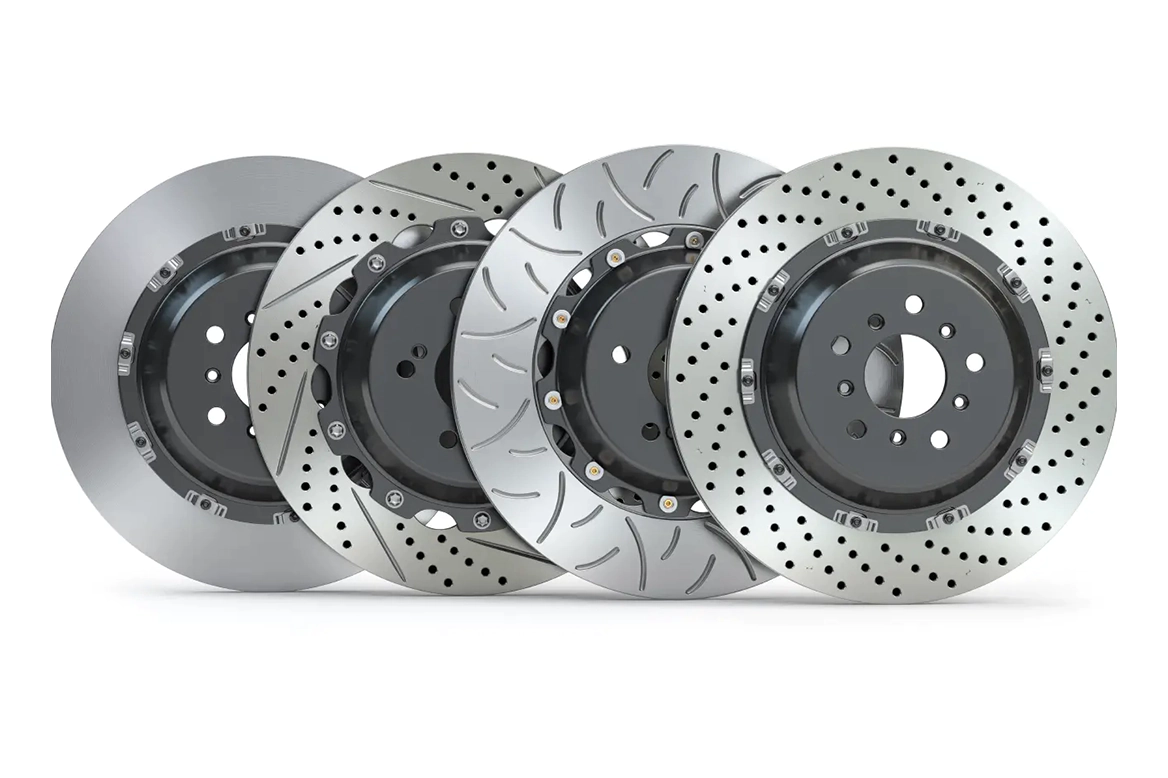
| Rotors/Discs | Spin with the wheels and slow down when pressed |
| Brake Lines | Carry brake fluid to parts that need to move |
| Brake Fluid | Transfers force from the pedal to the brakes |
| Calipers | Hold the brake pads and push them onto the disc |
How Brakes Engage
Brakes help a vehicle slow down or stop. They work by creating friction to reduce wheel speed.
This process starts when the driver presses the brake pedal. The force is then transferred to different brake parts.
Hydraulic Mechanism
The hydraulic system uses fluid to move force from the brake pedal to the brakes. When you press the pedal, it pushes fluid through brake lines.
- The fluid flows to brake calipers or wheel cylinders.
- These parts press brake pads or shoes against the wheels.
- Friction between pads and wheels slows the vehicle.
- The system uses a master cylinder to keep pressure steady.
- Hydraulic fluid must stay clean and full for proper brake work.
Electronic Brake Controls
Modern cars use electronic controls to help braking. These systems add safety and improve control.
| System | Function |
| ABS (Anti-lock Braking System) | Prevents wheels from locking during hard brakes |
| ESC (Electronic Stability Control) | Keeps the car stable by applying brakes to specific wheels |
| Brake Assist | Increases braking force in emergency stops |
Role Of Anti-lock Braking System (abs)
The Anti-lock Braking System (ABS) helps drivers maintain control of their vehicles during braking. It prevents the wheels from locking up, ensuring safer stops.
ABS is crucial for safety on slippery roads. It adjusts brake pressure to keep the wheels rotating.
Preventing Wheel Lock
When you hit the brakes hard, wheels may lock. This can lead to skidding and loss of control.
ABS senses wheel speed and adjusts brake pressure. This prevents wheels from locking, even on slippery surfaces.
- Monitors wheel speed constantly
- Reduces brake pressure if a wheel is about to lock
- Increases safety by allowing steering during braking
Improving Vehicle Control
ABS helps drivers steer while braking. This improves control and helps avoid obstacles.
Maintaining control is important in emergency situations. ABS allows drivers to brake and steer effectively.
- Prevents skidding by adjusting brake pressure
- Improves vehicle stability during sudden stops
- Helps in maintaining a safe stopping distance

Credit: www.carparts.com
Automatic Emergency Braking (aeb)
Automatic Emergency Braking (AEB) is a crucial safety feature in modern vehicles. It helps prevent collisions by automatically applying the brakes.
AEB systems are designed to detect potential crashes. They work without driver input to stop or slow the car.
Sensors And Detection
AEB uses sensors to monitor the road ahead. These sensors detect obstacles and other vehicles.
Sensors include radar, cameras, and lasers. They provide data to the car’s computer system.
- Radar: Measures distance and speed of objects.
- Cameras: Capture images and identify obstacles.
- Lasers: Create a 3D map of the surroundings.
Activation Process
The AEB system activates when it senses danger. It decides if braking is needed to avoid a crash.
The system warns the driver first. If the driver does not react, AEB will apply the brakes.
- Warning: Alerts the driver with sound or light.
- Braking: Applies brakes if no driver response.
- Stopping: Brings the car to a halt to prevent collision.
Maintenance For Optimal Performance
Auto brakes need regular care to work well. Proper maintenance keeps you safe on the road.
Checking brakes often helps find problems early. This stops bigger issues and saves money.
Signs Of Brake Wear
Brakes show signs when they start to wear out. Watch for sounds, smells, or changes in how they feel.
Noticing these signs early helps fix brakes before they fail.
- Squealing or grinding noises when braking
- Brake pedal feels soft or sinks down
- Car pulls to one side while stopping
- Longer distance needed to stop
- Burning smell near the wheels
Routine Inspection Tips
Check your brakes every few months or as the car manual says. Look at pads, discs, and brake fluid.
Simple checks help keep brakes in good shape and alert you to problems early.
- Look at brake pads for thin or worn spots
- Check brake discs for cracks or rust
- Test brake fluid level and color
- Listen for unusual sounds during braking
- Feel for changes in brake pedal pressure
Credit: www.brakemax.com
Safety Benefits Of Auto Brakes
Auto brakes help make driving safer by stopping the car automatically. They use sensors to detect danger and react faster than humans. These brakes reduce the chance of crashes on the road.
Many drivers feel more secure with auto brakes. These systems support the driver and can avoid accidents in sudden situations. Let’s look at the main safety benefits.
Reducing Accident Risks
Auto brakes lower the risk of collisions by reacting quickly to obstacles. They can stop the car if the driver does not act in time. This reduces injuries and damage.
- Detect objects and pedestrians ahead
- Apply brakes automatically if a crash is likely
- Work well in traffic and at intersections
- Help avoid rear-end collisions
- Improve safety in bad weather conditions
Enhancing Driver Confidence
Drivers feel calmer knowing auto brakes assist them. This support helps reduce stress and fatigue. Confident drivers make safer choices and stay focused.
| Benefit | How It Helps |
| Early Warning | Alerts driver of danger before braking |
| Automatic Braking | Takes control if driver is slow to respond |
| Stress Reduction | Less worry in heavy traffic or bad weather |
| Better Focus | Driver can trust the system and stay alert |
Future Trends In Brake Technology
The brake system is changing fast with new technology. Cars need safer and smarter brakes for the road ahead.
Future brakes will work closely with new car systems. They will use better materials to last longer and perform well.
Integration With Autonomous Vehicles
Brakes must work with self-driving systems to keep cars safe. These systems use sensors and computers to control braking.
- Automatic emergency braking to avoid crashes
- Adaptive braking for smooth stops
- Communication with other car systems like speed and steering
- Real-time brake adjustments based on road and traffic
These features help cars react faster than humans. They reduce accidents and improve driving comfort.
Advancements In Materials
New materials make brakes lighter, stronger, and cooler. This helps cars stop better and last longer.
| Material | Benefit | Use |
| Carbon-ceramic | High heat resistance | Sports cars, heavy vehicles |
| Composite alloys | Lightweight and strong | Passenger vehicles |
| Graphene coatings | Improves wear resistance | Brake pads and rotors |
These materials reduce brake fade and improve fuel efficiency. They also help cars meet strict environmental rules.

Credit: www.cardekho.com
Frequently Asked Questions
How Do Auto Brakes Enhance Vehicle Safety?
Auto brakes detect obstacles and apply brakes automatically. This reduces collision risks and improves overall road safety for drivers and pedestrians.
What Triggers The Auto Brake System In Cars?
Auto brakes activate when sensors detect sudden obstacles or potential collisions. The system responds instantly to prevent or lessen accident impact.
Are Auto Brakes Effective In All Weather Conditions?
Most auto brake systems work well in rain and fog. However, heavy snow or dirt on sensors may reduce their effectiveness.
Can Auto Brakes Be Manually Overridden By Drivers?
Yes, drivers can override auto brakes by pressing the accelerator or brake pedal. This ensures full control during unexpected situations.
Conclusion
Auto brakes help keep drivers safe on the road. They slow down or stop vehicles quickly when needed. This system uses pressure and friction to work well. Knowing how brakes function can make you a better driver. Regular brake checks keep the system in good shape.
Safe driving depends on reliable brakes every time. Understanding this helps you appreciate your car more. Stay alert, and let your brakes do their job. Safety starts with good brakes and smart driving habits.