
Have you ever wondered how your car knows when your tires need air? Tire pressure sensors do this important job, keeping you safe and your ride smooth.
Understanding how these sensors work can help you spot problems early and avoid costly repairs. You’ll discover the simple science behind these smart devices and learn why they matter for your car’s performance. Keep reading—you’ll soon see your tires in a whole new light.
Tire Pressure Sensors Basics
Tire pressure sensors monitor the air pressure inside tires. They help keep your vehicle safe and efficient. These sensors send data to the car’s computer or display.
Understanding how these sensors work can help you maintain your tires better. This guide covers the main types and parts of tire pressure sensors.
Types Of Tire Pressure Sensors
There are two main types of tire pressure sensors. Each type works differently to check tire pressure.
- Direct Tire Pressure Sensors: These sensors sit inside the tire. They measure the actual air pressure. They send data wirelessly to the car’s system.
- Indirect Tire Pressure Sensors: These sensors do not measure air pressure directly. They use wheel speed data to estimate if a tire has low pressure.
Core Components
Tire pressure sensors have several key parts. Each part plays a role in measuring and sending pressure data.
| Component | Function |
| Pressure Sensor | Measures the air pressure inside the tire |
| Battery | Powers the sensor to send signals |
| Transmitter | Sends pressure data wirelessly to the car |
| Valve Stem | Mounts the sensor inside the tire and allows air filling |
Credit: www.telletire.com
Sensor Installation And Placement
Auto tire pressure sensors help keep your tires safe and efficient. Proper installation and placement are important for accurate readings. Sensors can be mounted in different ways depending on the design.
This guide explains two common sensor types and their installation methods. Knowing where and how these sensors fit will help you understand their function better.
Inside The Tire Valve
Inside the tire valve sensors are placed on the valve stem inside the tire. They measure pressure directly from the air chamber. These sensors replace the standard valve core and send data wirelessly to the car’s system.
- The sensor mounts inside the valve stem.
- It requires tire removal for installation.
- The sensor includes a battery and transmitter.
- It measures pressure and temperature inside the tire.
- The sensor must be programmed to match the vehicle.
External Sensors
External sensors attach outside the tire on the valve stem. These sensors screw onto the valve like a cap. They are easier to install without removing the tire but are more exposed to damage.
| Feature | Inside Valve Sensor | External Sensor |
|---|---|---|
| Placement | Inside valve stem | Outside valve stem |
| Installation | Requires tire removal | Easy, no tire removal |
| Exposure | Protected inside tire | Exposed to weather and damage |
| Battery Life | Longer due to sealed design | Shorter, replaced more often |
| Cost | Higher | Lower |
How Sensors Detect Pressure
Auto tire pressure sensors help keep your tires safe and efficient. They measure how much air pressure is inside the tire. This information helps drivers know if their tires need more air or have a leak.
The sensors use special methods to measure pressure and send the data to the car’s computer. Understanding these methods shows how the sensors work to keep you safe on the road.
Pressure Measurement Techniques
Tire pressure sensors use different ways to detect pressure inside the tire. The most common methods include mechanical, piezoelectric, and capacitive sensing. Each method changes when the air pressure changes.
- Mechanical Sensors:These use a small diaphragm that moves when air pressure changes. The movement shows the pressure level.
- Piezoelectric Sensors:They produce an electric signal when pressure changes. This signal varies with the pressure inside the tire.
- Capacitive Sensors:These sensors measure changes in electrical capacitance caused by pressure changes on a flexible surface.
Data Transmission Methods
After measuring pressure, sensors must send this data to the vehicle’s monitoring system. Most sensors use wireless methods to transmit this information quickly and accurately.
| Transmission Type | Description | Common Use |
|---|---|---|
| Radio Frequency (RF) | Sends data using radio waves to a receiver in the car. | Most common in tire pressure sensors. |
| Bluetooth Low Energy (BLE) | Uses low energy signals to send data to a nearby device. | Used in some newer tire monitoring systems. |
| Wired Connection | Direct wire link to the car’s system for data transfer. | Rare in tire sensors due to wheel movement. |

Credit: www.whocanfixmycar.com
Integration With Vehicle Systems
Auto tire pressure sensors connect with many vehicle systems. They help keep tires safe and efficient.
These sensors send data to the car’s computer. The computer then uses this data to alert the driver and adjust vehicle functions.
Dashboard Alerts
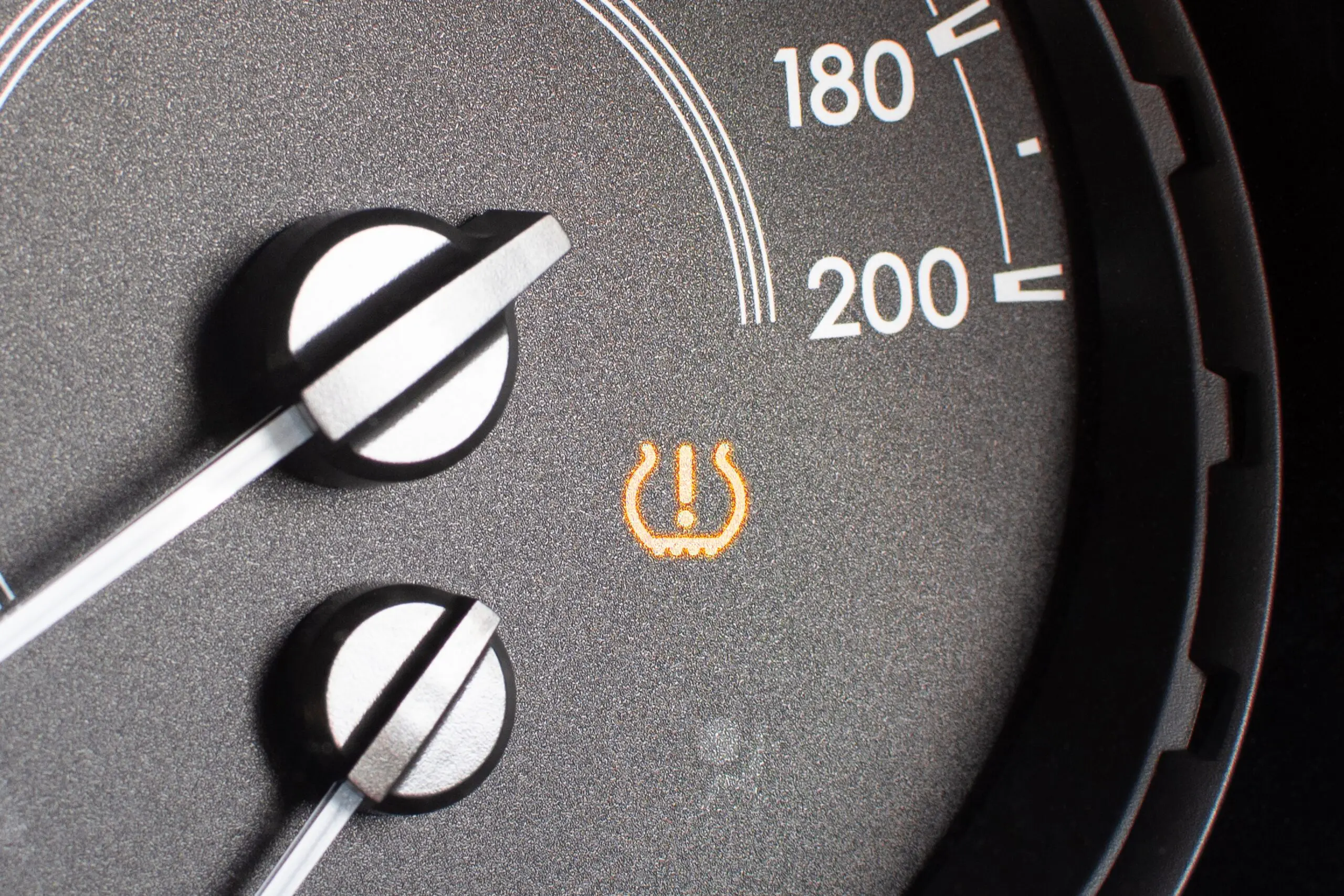
The dashboard shows alerts when tire pressure is low or high. These alerts help drivers fix problems early.
- Warning lights appear on the dashboard
- Messages show which tire has a problem
- Alerts help prevent accidents and improve fuel efficiency
Central Monitoring Units
Central monitoring units collect data from all tire sensors. They analyze the pressure and temperature of each tire.
| Function | Description |
| Data Collection | Receives signals from each tire sensor |
| Data Analysis | Checks tire pressure and temperature levels |
| Alert Generation | Sends warnings to the dashboard if needed |
| System Integration | Works with ABS and stability control systems |
Benefits For Safety And Performance
Auto tire pressure sensors help keep your tires at the right pressure. This improves safety and car performance. These sensors alert you if the tire pressure drops too low or rises too high.
Keeping the right tire pressure is important for driving safely and saving money on fuel. These sensors make it easy to check your tires without guessing or stopping at a gas station.
Preventing Tire Blowouts
Low tire pressure can cause tires to overheat and blow out. Auto tire pressure sensors warn you early about pressure problems. This helps prevent accidents caused by sudden tire failure.
- Alerts for slow leaks
- Warning for sudden pressure drops
- Helps maintain tire durability
- Reduces risk of accidents on highways
Enhancing Fuel Efficiency
Proper tire pressure lowers rolling resistance. This means your engine uses less fuel to move the car. Auto sensors keep your tires inflated to the best level for fuel savings.
| Pressure Level | Fuel Efficiency Effect |
| Too Low | Increases fuel use by 10% |
| Optimal | Saves fuel and reduces emissions |
| Too High | May cause uneven tire wear |

Credit: www.amazon.com
Common Issues And Troubleshooting
Auto tire pressure sensors help keep your vehicle safe. They alert you if tire pressure is too low or too high.
Sometimes, these sensors face problems. Knowing common issues helps you fix them quickly.
Sensor Malfunctions
Sensors can stop working due to damage or interference. Dirt, moisture, or impacts may cause errors.
- Signal loss from sensor to car system
- Sensor damage from road debris
- Incorrect readings due to sensor misalignment
- Interference from other electronic devices
Check sensors for visible damage and clean the area around them. Resetting the car’s monitoring system can fix false alerts.
Battery Life And Replacement
Each tire pressure sensor has a small battery. This battery lasts several years but will eventually need replacement.
| Battery Issue | Signs | Action |
| Low Battery | Warning light on dashboard | Replace sensor battery or sensor |
| Dead Battery | No signal from sensor | Replace sensor immediately |
| Battery Leakage | Sensor damage | Inspect and replace sensor |
Replacing the battery usually requires a technician. Some sensors are sealed and need full replacement instead of just the battery.
Future Trends In Tire Pressure Monitoring
Tire pressure sensors will soon become smarter and more efficient. These sensors will help drivers keep their vehicles safe and save fuel.
Advances in technology will allow sensors to do more than just check pressure. They will share data with other vehicle systems.
Advanced Sensor Technologies
New sensors will be smaller and use less power. They will detect pressure, temperature, and even tire wear.
- Use of flexible and stretchable materials
- Improved battery life and energy harvesting
- Real-time data transmission with higher accuracy
- Self-calibrating and self-diagnosing features
Integration With Smart Vehicles
Sensors will connect directly to vehicle computers. This will help with automatic alerts and vehicle control systems.
| Feature | Benefit |
| Wireless communication | Instant alerts to driver’s phone |
| Data sharing with GPS | Route adjustments for safety |
| Integration with braking system | Better control on slippery roads |
| Cloud data storage | Long-term tire health monitoring |
Frequently Asked Questions
What Is An Auto Tire Pressure Sensor?
An auto tire pressure sensor monitors tire air pressure continuously. It sends real-time data to the vehicle’s onboard computer. This helps maintain optimal tire pressure for safety and fuel efficiency.
How Do Tire Pressure Sensors Detect Pressure?
Tire pressure sensors use a small pressure gauge inside the tire valve. They measure air pressure and transmit the information via radio signals. This data alerts drivers when pressure drops below safe levels.
Why Is Tire Pressure Monitoring Important?
Proper tire pressure improves vehicle safety, handling, and fuel economy. Monitoring sensors prevent tire blowouts and uneven tire wear. They also help reduce carbon emissions by maintaining optimal tire inflation.
Can Tire Pressure Sensors Fail Or Need Replacement?
Yes, sensors can fail due to battery depletion or physical damage. Regular maintenance checks ensure sensors work correctly. Replacing faulty sensors keeps your tire pressure monitoring system reliable.
Conclusion
Auto tire pressure sensors help keep your tires safe and efficient. They check the air pressure inside tires all the time. If the pressure is low, they send an alert to your dashboard. This helps you fix the problem early.
Proper tire pressure improves fuel economy and tire life. It also keeps your driving safe. Understanding how these sensors work can save you time and money. Remember, regular checks and maintenance keep your sensors working well. Simple technology with big benefits for every driver.