Have you ever wondered what happens the moment you press your car’s brake pedal? Understanding how auto brakes work can give you more confidence behind the wheel and help you stay safer on the road.
This simple yet powerful system is what controls your car’s speed and stops you when it matters most. Keep reading, and you’ll discover the secrets inside your brakes—knowledge that every driver should have. Ready to find out how your car keeps you in control?
Let’s dive in.
Auto Brake Basics
Auto brakes help stop a car safely and quickly. They work by using parts that slow down the wheels.
Understanding how brakes work can keep you safer on the road. Let’s look at the types and parts of auto braking systems.
Types Of Auto Braking Systems
There are different braking systems used in cars. Each type has a special way of stopping the vehicle.
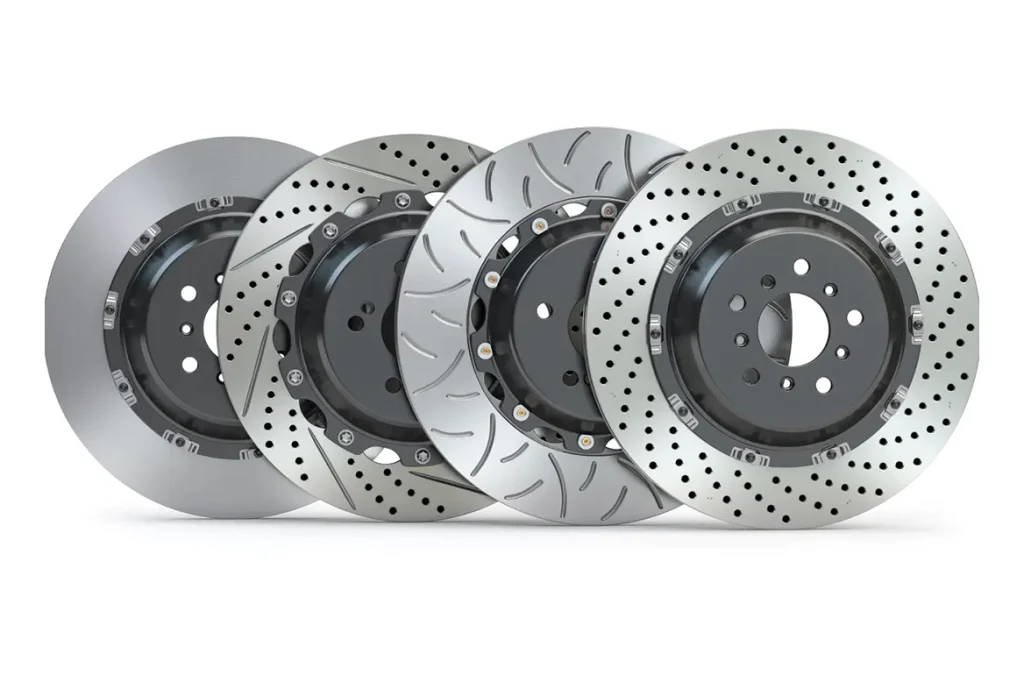
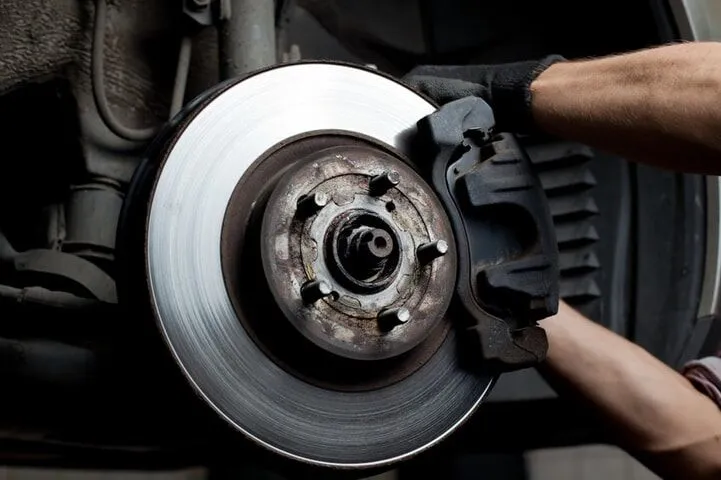
- Disc Brakes: Use pads to squeeze a disc attached to the wheel.
- Drum Brakes: Use shoes that press inside a drum to slow the wheel.
- Anti-lock Braking System (ABS): Prevents wheels from locking during hard stops.
- Electronic Brakeforce Distribution (EBD): Adjusts brake power to each wheel.
- Regenerative Brakes: Capture energy when slowing down in electric cars.
Core Components
Brakes have key parts that help them work properly. Each component plays a role in stopping the car.
| Component | Function |
| Brake Pedal | Driver presses it to start braking |
| Brake Pads/Shoes | Press against disc or drum to create friction |
| Brake Disc/Drum | Rotates with the wheel and slows down |
| Hydraulic Fluid | Transfers force from pedal to brakes |
| Calipers | Hold pads and apply pressure to discs |
| Brake Lines | Carry hydraulic fluid to brakes |

Credit: www.carparts.com
Sensors And Detection
Auto brakes use sensors to detect obstacles and hazards. These sensors help the car decide when to stop.
Sensors gather data about the environment. The car’s system then reacts quickly to avoid crashes.
Radar And Cameras
Radar sensors send radio waves to find objects around the car. They measure how far and fast objects move.
Cameras capture images to recognize shapes and signs. They help the system identify cars, people, and lanes.
- Radar works well in poor weather like fog or rain
- Cameras provide detailed views for object recognition
- Both work together to improve safety and accuracy
Lidar And Ultrasonic Sensors
Lidar uses laser beams to create a 3D map around the car. It measures distances very precisely.
Ultrasonic sensors send sound waves to detect nearby objects. They are useful for parking and close-range alerts.
- Lidar helps the car understand shapes and distances clearly
- Ultrasonic sensors work best at short distances
- Both add extra layers of detection for safer braking
How Auto Brakes React
Auto brakes help cars stop safely by reacting to road conditions. They use sensors and computers to know when to slow down.
These brakes work fast to avoid accidents and keep drivers safe. Understanding how they react helps us trust the system.
Triggering The Brake
Auto brakes trigger when sensors detect danger ahead. They check distance, speed, and obstacles in the car’s path.
The system sends a signal to apply the brakes automatically. This helps reduce the risk of collisions.
- Sensors scan the road for objects
- Computer calculates if braking is needed
- Brakes activate without driver input
Emergency Braking Vs. Adaptive Braking
Emergency braking activates quickly to avoid a crash. It applies full brake force to stop fast.
Adaptive braking adjusts brake pressure to keep a safe distance. It slows the car smoothly in traffic.
- Emergency Braking:sudden, full stop
- Adaptive Braking:gradual, controlled slowing
- Both improve safety but work differently
Credit: www.brakemax.com
Safety Benefits
Auto brakes help keep drivers and passengers safe. They use sensors to detect danger and act quickly.
This technology can stop or slow a car to avoid accidents. It also helps drivers stay alert and focused.
Collision Prevention
Auto brakes detect obstacles or other vehicles ahead. They apply the brakes automatically if a crash is likely.
This helps reduce the chance of hitting something. It also lowers the damage if a collision does happen.
- Detects objects in the car’s path
- Applies brakes faster than human reaction
- Reduces impact speed in accidents
- Warns the driver to take control
Reducing Driver Fatigue
Auto brakes help drivers stay safe when tired. The system can react quickly if the driver does not.
This support reduces stress and keeps drivers more alert. It also helps prevent accidents caused by slow reactions.
- Monitors road conditions continuously
- Provides automatic braking when needed
- Acts as a safety backup for tired drivers
- Helps maintain safe driving habits
Performance Factors
Auto brakes depend on many things for good performance. Conditions outside the car affect how well brakes work. This includes the weather and the road you drive on.
Also, the brake system has limits. These limits can reduce its ability to stop the car quickly or safely. Understanding these factors helps explain why brakes sometimes fail to work as expected.
Weather And Road Conditions
Rain, snow, ice, and fog change how brakes perform. Wet or slippery roads make it harder for tires to grip. This can increase stopping distance.
- Wet roads reduce tire traction and brake grip.
- Ice causes tires to slip even if brakes work well.
- Snow can hide road hazards, affecting brake response.
- Fog lowers visibility, giving less time to react.
Drivers should adjust braking force and distance in bad weather. Auto brake sensors may also react differently in these conditions.
System Limitations
Auto brakes have limits on how fast and how much force they can apply. These limits protect the brake system and avoid damage. They also affect stopping power.
| Limitation | Effect on Braking |
| Hydraulic Pressure | Limits how hard brakes press pads on rotors. |
| Sensor Accuracy | Can delay brake activation if readings are off. |
| Battery Power | Low power may reduce electronic brake functions. |
| Brake Pad Wear | Worn pads lower braking force and increase stopping distance. |
Maintenance Tips
Auto brakes are crucial for safety. Regular maintenance ensures they work well. Follow these tips to keep your brakes in top condition.
Understanding how brakes work helps in maintaining them. This guide covers essential maintenance tasks.
Regular System Checks
Inspect brake pads and rotors often. Worn pads can damage rotors. Check for unusual noises or vibrations when braking.
Look at the brake fluid level. Low fluid can lead to brake failure. Refill if necessary and check for leaks in the system.
- Inspect brake pads every 12,000 miles
- Check brake fluid every 6 months
- Listen for squealing or grinding noises
Sensor Cleaning And Calibration
Brake systems have sensors that need regular cleaning. Dust and dirt can affect their function. Clean sensors to ensure accurate readings.
Calibrate sensors if you notice issues with braking response. Proper calibration keeps the system efficient and reliable.
- Turn off the vehicle and remove the wheel
- Gently clean the sensor with a soft cloth
- Ensure no debris is left on the sensor
Future Of Auto Brakes
The future of auto brakes is exciting and full of possibilities. Technology is making cars smarter and safer. Brakes are a key part of this change.
New systems are being developed to improve braking efficiency. These systems work with other car parts to ensure safety.
Integration With Autonomous Vehicles
Autonomous vehicles use sensors and computers to drive themselves. Brakes in these cars need to be quick and reliable. They must work with the car’s software to stop safely.
Braking systems will connect with other car parts. They help the car make better driving decisions. This helps avoid accidents and improves road safety.
- Sensors detect obstacles on the road
- Computers calculate the best braking force
- Brakes apply the right pressure instantly
Advancements In Ai And Machine Learning
AI and machine learning are changing how brakes work. These technologies help brakes learn from past experiences. They can adapt to different driving conditions.
Smart brakes can predict potential dangers. They respond faster than human drivers. This makes driving safer for everyone on the road.
| AI Feature | Benefit |
| Pattern recognition | Identifies risky situations quickly |
| Adaptive learning | Improves braking response over time |
Credit: www.tateboys.com
Frequently Asked Questions
How Do Auto Brakes Detect Obstacles?
Auto brakes use sensors like radar and cameras to detect obstacles. These sensors continuously monitor the vehicle’s surroundings. When a potential collision is detected, the system alerts the driver or automatically applies brakes to prevent an accident.
What Components Make Up An Auto Brake System?
Auto brake systems include sensors, a control unit, and actuators. Sensors detect obstacles, the control unit processes data, and actuators apply the brakes. This integration ensures quick and accurate braking responses to enhance vehicle safety.
Are Auto Brakes Effective In All Weather Conditions?
Auto brakes generally work well in most weather, but heavy rain or snow may reduce sensor accuracy. Manufacturers design systems to compensate, but drivers should remain cautious during severe weather to ensure safety.
How Do Auto Brakes Improve Driving Safety?
Auto brakes reduce collision risks by detecting hazards early and reacting faster than humans. They help avoid accidents or reduce crash severity, making driving safer and less stressful for everyone on the road.
Conclusion
Auto brakes help keep you safe on the road. They work by slowing or stopping your car when needed. Sensors detect obstacles and tell the brakes to act quickly. This system can prevent accidents and reduce damage. Understanding how auto brakes work can make you a better driver.
Always stay alert and trust your car’s safety features. Safe driving depends on both technology and your attention. Remember, brakes are there to protect you every time you drive.