
Choosing the right tires for your car can feel overwhelming. With so many options out there, how do you know which ones will keep you safe, save you money, and improve your driving experience?
You want tires that match your needs perfectly—whether it’s for city driving, long road trips, or tackling rough roads. You’ll discover the best auto tires that offer the perfect balance of performance, durability, and value. Keep reading to find out how the right tires can transform your drive and protect what matters most—your safety.
Credit: www.cartalk.com
Key Factors For Choosing Auto Tires
Choosing the right auto tires is important for safety and performance. Tires affect how your car handles on different roads and weather.
Understanding key features helps you pick tires that suit your needs. This guide covers important factors to consider.
Tread Patterns And Their Impact
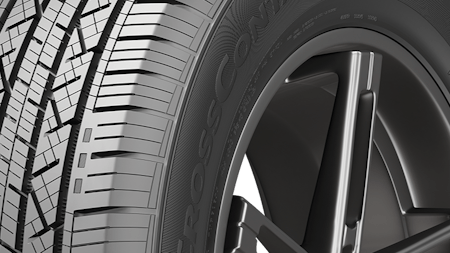
Tread patterns change how tires grip the road. They help with traction, water drainage, and noise levels.
Different patterns suit different driving conditions. Some work well on wet roads, others on dry or snowy surfaces.
- Symmetrical tread offers smooth ride and even wear
- Asymmetrical tread improves cornering and wet grip
- Directional tread helps move water away to prevent hydroplaning
Seasonal Tire Types
Tires come in types made for certain weather conditions. Using the right type keeps you safe and comfortable.
All-season tires work year-round but may not perform best in extreme weather. Winter tires handle snow and ice well. Summer tires give better grip on warm, dry roads.
- All-season: balanced for dry, wet, and mild winter
- Winter: designed for cold, snow, and ice
- Summer: made for hot weather and sporty driving
Load And Speed Ratings
Load rating shows how much weight a tire can carry. Speed rating tells the highest speed the tire can safely handle.
Choose tires with ratings that match or exceed your vehicle’s needs. This keeps the tires strong and safe under normal driving.
| Rating | Meaning |
|---|---|
| Load Index | Max weight per tire (in pounds or kg) |
| Speed Symbol | Max speed tire can handle (in mph or km/h) |
Material And Durability
Tires use different rubber compounds and materials. These affect how long tires last and how they perform.
Harder compounds last longer but may reduce grip. Softer materials give better traction but wear faster. Good tires balance durability and performance.
- Rubber compounds impact grip and wear
- Reinforced sidewalls improve strength and resistance
- Tire care helps extend durability

Credit: www.discountedwheelwarehouse.com
Top Tire Brands For Performance
Choosing the right tires can improve your car’s performance and safety. Top brands offer tires with good grip and durability.
This guide highlights some of the best tire brands for performance driving. Each brand has unique features to suit different needs.
Michelin
Michelin is known for high-quality tires that last long. They focus on safety and fuel efficiency in their designs.
Their tires provide good handling on wet and dry roads. Many drivers trust Michelin for everyday driving and sports cars.
Bridgestone
Bridgestone offers tires with strong grip and smooth rides. They use advanced technology to improve tire performance.
The brand has options for all seasons and different road conditions. Bridgestone tires often perform well in tough weather.
Goodyear
Goodyear tires are popular for their durability and traction. The company makes tires for cars, trucks, and SUVs.
They focus on making tires that handle well on highways and off-road. Goodyear also offers options for winter driving.
Continental
Continental tires are praised for their safety features and comfort. They use special rubber compounds for better grip.
The brand provides tires that work well in wet and snowy conditions. Continental tires help improve braking and cornering.
Best Tires For Different Conditions
Choosing the right tires helps your vehicle perform well and stay safe. Different tires suit different weather and road types.
Here we explain the best tire types for various conditions and uses.
All-season Tires
All-season tires work in many weather conditions. They handle dry, wet, and light snow roads. These tires offer balanced performance all year.
- Good for everyday driving
- Last longer than specialized tires
- Provide decent traction in rain and light snow
Winter Tires
Winter tires improve safety on snow and ice. They use special rubber that stays soft in cold weather. Tread patterns help grip slippery roads.
| Feature | Winter Tires |
| Rubber Type | Soft, cold-resistant |
| Tread Design | Deep grooves, sipes |
| Best Use | Snow, ice, cold temperatures |
Performance Summer Tires
Performance summer tires suit warm weather and sporty driving. They have less tread for more road contact. These tires offer better handling on dry and wet roads.
- Designed for dry and wet heat
- Provide precise steering and cornering
- Wear faster than all-season tires
Off-road Tires
Off-road tires work well on rough surfaces like mud, sand, and rocks. They have big, strong tread blocks and thick sidewalls. These tires protect your vehicle in tough terrain.
| Type | Best Terrain | Key Features |
|---|---|---|
| All-Terrain | Mixed surfaces | Balanced tread for road and off-road |
| Mud-Terrain | Muddy, loose dirt | Large tread blocks for grip |
| Rock Crawling | Rocky paths | Reinforced sidewalls and tread |
Innovations In Tire Technology
Tire technology keeps improving to make driving safer and more efficient.
New designs help with comfort, fuel saving, and better handling on roads.
Run-flat Tires
Run-flat tires let you keep driving after a puncture for a short distance.
They have stronger sidewalls to support the car when air pressure is low.
Eco-friendly Tire Designs
Eco-friendly tires use materials that reduce harm to the environment.
- Use of natural rubber and recycled materials
- Lower rolling resistance to save fuel
- Longer tread life to reduce waste
- Production methods that cut carbon emissions
Noise Reduction Features
Tires now include designs that lower road noise for a quieter ride.
| Feature | Benefit |
| Special tread patterns | Reduce air pumping sounds |
| Foam inside tires | Absorbs vibrations |
| Optimized rubber compounds | Minimize noise from road contact |
Smart Tire Sensors
Smart sensors track tire pressure and temperature in real time.
Benefits of smart tire sensors:
- Alert drivers to low pressure early
- Help avoid accidents and improve fuel efficiency
- Provide data for better tire maintenance
Tips For Maintaining Tire Performance
Auto tires need care to keep them safe and long-lasting. Proper maintenance helps you get the best ride and saves money.
Follow simple tips to keep your tires in good shape. These steps improve how your tires work and last.
Proper Inflation
Check tire pressure often. Tires with the right air pressure last longer and drive better.
Use a tire gauge to measure pressure. Inflate tires to the level the car maker suggests.
- Too low pressure causes wear and poor fuel use
- Too high pressure makes tires less grippy
- Check pressure when tires are cold
Regular Rotation
Rotate your tires every 5,000 to 8,000 miles. This helps tires wear evenly and last longer.
Front and rear tires wear differently. Moving them keeps balance and improves safety.
- Follow your car manual for rotation pattern
- Rotate tires more if you drive off-road
- Check tires for damage during rotation
Alignment Checks
Keep your wheels aligned to avoid uneven tire wear. Misalignment can cause steering problems.
Have a professional check alignment once a year or if your car pulls to one side.
- Signs of misalignment include uneven tread wear
- Steering wheel may be off-center
- Fix alignment to improve tire life and control
Tread Depth Monitoring
Check tire tread depth to ensure good grip. Worn tread reduces safety, especially in wet conditions.
Use a tread depth gauge or the penny test to check your tires.
- Replace tires if tread is below 2/32 inch
- Good tread helps with braking and handling
- Check tread depth monthly for safety

Credit: www.reddit.com
Frequently Asked Questions
What Are The Top Auto Tire Brands In 2024?
The best tire brands in 2024 include Michelin, Bridgestone, Goodyear, Continental, and Pirelli. These brands offer durability, safety, and excellent performance for various driving conditions.
How To Choose The Best Tires For My Car?
Consider your driving style, climate, and vehicle type. Check tire size, tread pattern, and ratings for wet and dry traction. Always prioritize safety and fuel efficiency when selecting tires.
What Tire Features Improve Driving Safety?
Look for tires with good wet and dry traction, strong sidewalls, and deep tread depth. Features like all-season capability and puncture resistance also enhance safety and performance.
When Should I Replace My Auto Tires?
Replace tires every 6 years or when tread depth is below 2/32 inches. Also replace if you notice cracks, bulges, or uneven wear for safe driving.
Conclusion
Choosing the best auto tires helps keep you safe on the road. Good tires improve driving comfort and save fuel. Different tires work best for different weather and roads. Always pick tires that fit your car and driving needs. Regular tire checks and maintenance extend their life.
Remember, the right tires make every trip smoother and safer. Take time to compare options before buying. Your car deserves the best tires for better performance.