
Are you dealing with a slow leak or a small puncture in your tire? You might be wondering, does Advance Auto plug tires, and if it’s the right fix for you?
Choosing the best solution for your tire trouble can save you time, money, and stress. You’ll discover what tire plugging really means, whether Advance Auto offers this service, and what you need to know before making a decision. By the end, you’ll feel confident about how to handle your tire repair like a pro.
Keep reading to protect your ride and stay safe on the road.
Credit: www.walmart.com
How Advance Auto Plug Tires Work
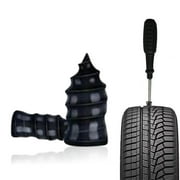
Advance auto plug tires fix small holes in tires without removing the tire from the wheel. They help seal punctures quickly and safely.
The plug fills the hole from the outside, stopping air from leaking. This repair allows you to keep driving until a full tire check.
Materials Used In Plug Tires
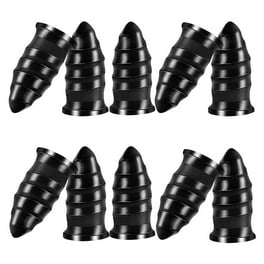
Plug tires use special rubber strips to fill holes. These strips are sticky and flexible to hold air inside.
The plugs often have a sticky, tar-like coating. This helps the plug stick inside the tire and seal the hole tightly.
- Rubber strips made for tire repair
- Sticky, tar-like coating for sealing
- Tools to insert and trim plugs
Step-by-step Plugging Process
First, find the hole in the tire by looking or listening for air leaks. Clean the area around the hole well.
Next, use a tool to roughen the hole’s edges. This helps the plug stick better. Insert the rubber plug into the hole.
- Locate the puncture on the tire
- Clean around the hole
- Roughen hole edges with a reaming tool
- Insert the rubber plug into the hole
- Trim any extra plug material outside the tire
- Check for air leaks to ensure a good seal
Benefits Of Plugging Tires At Advance Auto
Plugging tires is a quick way to fix small punctures. Advance Auto offers this service to help drivers save time and money.
This repair keeps tires safe to use and avoids the need for full replacements.
Cost Savings Compared To Replacement
Plugging a tire costs much less than buying a new one. This makes it a smart choice for minor damage.
Advance Auto uses quality materials to make sure the repair lasts, so you avoid extra expenses.
- Lower repair price than new tires
- Extends the life of your current tire
- Reduces waste by fixing instead of replacing
Time Efficiency Of Plug Repairs
Plugging tires at Advance Auto takes only a short time. This lets you get back on the road fast.
The repair process is simple and done by trained staff, so it is both safe and quick.
- Fast service usually under 30 minutes
- No need to remove the tire from the vehicle
- Less waiting compared to full tire replacement
Common Misconceptions About Plugged Tires
Many people have wrong ideas about plugged tires. These ideas can make drivers avoid tire plugs.
Let’s clear up some confusion about the safety and life of plugged tires.
Safety Concerns Debunked
Some think plugged tires are unsafe. This is not true if the plug is done correctly.
A plugged tire holds air well and can be safe to use. The key is fixing the puncture in the right spot.
- Plug only works for holes in the tread area
- Sidewall punctures cannot be safely plugged
- A professional repair ensures tire strength
- Proper plugs prevent air leaks and blowouts
Longevity Of Plugged Tires
Some drivers think plugged tires wear out fast. This is false if the tire is in good shape.
A plugged tire can last as long as an unpatched tire. It depends on tire condition and driving habits.
- Check the tire regularly for damage
- Keep the tire properly inflated
- Avoid rough roads to extend tire life
- Replace tires when tread is too low
Credit: www.walmart.com
When Plugging Tires Is Not Recommended
Plugging a tire can fix small punctures quickly. But not all tire damage can be safely repaired with a plug.
Knowing when not to plug a tire helps keep you safe on the road. Some damages need different repairs or replacement.
Severe Tire Damage Scenarios
Some tire damages are too serious for a plug. These include large holes, sidewall cuts, and deep cracks.
- Holes larger than 1/4 inch in diameter
- Damage to the tire sidewall or shoulder
- Multiple punctures close together
- Bulges or bubbles on the tire surface
- Severe tread separation or cracking
Plugging tires in these conditions can cause tire failure or unsafe driving.
Manufacturer Guidelines On Repairs
Tire makers give clear rules on tire repairs. They limit plug repairs to specific areas and sizes.
| Repair Rule | Description |
| Location | Only repair punctures in the tread area |
| Size Limit | Punctures must be smaller than 1/4 inch |
| Damage Type | No repairs on sidewalls or shoulder |
| Repair Method | Use plug and patch combination for safety |
| Multiple Repairs | Only one repair per tire allowed |
Following these guidelines ensures your tire stays safe after repair. Ignoring them can lead to tire failure.
Customer Experiences With Advance Auto Plug Tires
Many people visit Advance Auto for tire repairs. Some have good experiences, while others face issues.
Let’s explore both the success stories and instances of repair failures shared by customers.
Success Stories
Several customers report positive outcomes after tire repairs at Advance Auto. They appreciate the quick service.
One driver mentioned their tire was fixed in under 30 minutes. They drove safely home without further issues.
- Fast service saves time
- Friendly staff assist with care
- Affordable prices fit budgets
Instances Of Repair Failures
Not all experiences are positive. Some customers face problems after tire plugs.
One customer shared that their tire started leaking again a week later. They had to visit another repair shop.
- Recurrent leaks cause frustration
- Additional costs for second repairs
- Inconvenience from repeated visits

Credit: www.leoalmanac.org
Tips For Maintaining Plugged Tires
Plugged tires need regular care to stay safe. They can last long if maintained well. Here are some tips to help you keep your plugged tires in good condition.
Understand the importance of regular inspections and proper tire inflation. These steps ensure your tires perform well and stay safe on the road.
Regular Inspections
Check your plugged tires often for any signs of damage. Look for cuts, bulges, or unusual wear. These can indicate problems that need fixing.
Keep an eye on the plug area. Make sure it stays secure and sealed. A loose plug can lead to air loss or further damage.
- Inspect tires every two weeks
- Look for nails or sharp objects
- Check for uneven tread wear
Proper Tire Inflation
Keep your tires inflated to the right level. Proper inflation helps tires wear evenly and last longer. It also improves safety and fuel efficiency.
Use a tire gauge to check pressure regularly. Do this when tires are cold for the best reading. Adjust the pressure as needed to match your car’s manual.
- Check tire pressure monthly
- Inflate to the recommended PSI
- Check pressure before long trips
Comparing Plugging To Other Tire Repair Methods
Tires can be fixed in different ways after getting a puncture. Choosing the right repair method matters for safety and tire life.
This article looks at how plugging compares with other ways to fix tires. We focus on patch vs. plug repairs and the choice between professional and DIY fixes.
Patch Vs. Plug Repairs
Patching and plugging are common methods to fix tire holes. Patches cover the inside of the tire, while plugs fill the hole from the outside.
| Repair Method | Description | Best Use | Durability |
| Patch | Seals the inner tire surface | Large or irregular punctures | Long-lasting |
| Plug | Inserts a rubber plug into the hole | Small, straight punctures | Good for temporary fixes |
Patches require removing the tire from the rim. Plugs can be applied without removing the tire. Patches tend to last longer and offer a safer repair.
Professional Vs. Diy Repairs
Choosing between professional and DIY tire repair depends on skill and tools. Professionals use proper equipment for safe repairs. DIY repairs are quicker but may not last as long.
- Professional repairs ensure correct patch or plug placement.
- Professionals check the tire for other damage before fixing.
- DIY kits are handy for quick fixes on the road.
- DIY repairs may not fully restore tire strength.
- Professionals can advise if a tire is unsafe to repair.
Frequently Asked Questions
Does Advance Auto Plug Tires For All Vehicles?
Advance Auto plugs tires for most passenger vehicles, including cars, SUVs, and light trucks. However, certain tire types may require different repair methods. It’s best to check with your local Advance Auto for specific vehicle compatibility and services offered.
How Long Does A Tire Plug Last At Advance Auto?
A tire plug at Advance Auto typically lasts as long as the tire remains in good condition. Properly installed plugs can provide a durable, safe repair, but regular tire inspections are recommended to ensure ongoing safety and performance.
Is A Tire Plug At Advance Auto Safe For Highway Driving?
Yes, a properly installed tire plug at Advance Auto is safe for highway driving. Technicians follow industry standards to ensure a secure, reliable repair suitable for various driving conditions, including highways.
Can Advance Auto Plug Sidewall Tire Punctures?
Advance Auto generally does not plug sidewall punctures. Sidewall damage compromises tire integrity and safety, so full tire replacement is usually recommended instead of plugging in these cases.
Conclusion
Advance Auto does offer tire plug services for small punctures. They use reliable methods to fix tires quickly and safely. This option can save you time and money compared to buying new tires. Remember, tire plugs work best for minor damage, not big holes or sidewall problems.
Always check with Advance Auto for details and availability. Keeping your tires in good shape helps your car run smoothly and safely. Choose the right repair to keep driving without worries.