
Are you sure you’re getting the most out of your car’s tires? How often you rotate your auto tires can make a big difference in how long they last and how safely your vehicle handles the road.
If you’ve ever wondered whether you’re rotating them too often—or not enough—this article is for you. Keep reading to discover the simple steps you can take to save money, improve your car’s performance, and avoid unexpected tire problems. Your tires—and your wallet—will thank you.

Credit: www.daleearnhardtjrbuickgmc.com
Why Tire Rotation Matters
Tire rotation helps your tires wear evenly. This keeps your car running smoothly.
Regular rotation can save money and improve safety on the road.
Extending Tire Lifespan
Rotating tires spreads wear across all tires. This prevents one tire from wearing out too fast.
- Front tires wear faster on front-wheel-drive cars.
- Rear tires wear differently on rear-wheel-drive cars.
- Rotation balances the wear and extends tire life.
- It helps avoid early tire replacement costs.
Improving Vehicle Safety
Even tire wear keeps good traction and control. This improves braking and handling.
| Tire Condition | Effect on Safety |
| Even wear | Better grip, safer driving |
| Uneven wear | Risk of skidding, poor control |
| Worn tires | Increased accident risk |
Enhancing Fuel Efficiency
Balanced tires reduce rolling resistance. This means the engine works less to move the car.
Benefits of Tire Rotation on Fuel Efficiency:
- Lower fuel use
- Less engine strain
- Reduced emissions
Recommended Rotation Intervals
Tire rotation helps your tires wear evenly and last longer. It also improves car safety and performance.
Knowing the right time to rotate your tires is important. It depends on mileage, time, and manufacturer advice.
Mileage Guidelines
Most experts suggest rotating tires every 5,000 to 8,000 miles. This keeps tire wear even on all tires.
- Rotate tires every oil change for convenience
- Check tire tread depth during rotation
- Adjust rotation frequency for driving habits
Time-based Recommendations
If you drive less, rotate tires based on time. Most recommend rotating tires every six months.
Time-based rotation prevents uneven wear, even if mileage is low. It also helps spot tire damage early.
- Rotate tires every six months if driving less than 5,000 miles
- Inspect tires for cracks or dry rot during rotation
- Keep a rotation schedule to maintain tire health
Manufacturer Suggestions
Car and tire makers give specific rotation advice. Always check your owner’s manual for details.
Following manufacturer suggestions helps keep your warranty valid and your tires safe.
- Some manufacturers recommend rotation every 6,000 to 8,000 miles
- Rotation patterns may vary by tire type and vehicle
- Use recommended rotation patterns for best results
Signs You Need A Tire Rotation
Regular tire rotation helps your tires last longer. It keeps wear even and improves safety.
Look for signs on your car that show tires need rotation soon. Catching these signs early helps avoid problems.
Uneven Tire Wear
Check your tires for uneven wear patterns. Tires wearing more on one side show need for rotation.
Uneven wear can cause poor traction and shorter tire life. Rotation balances the wear over time.
- Tread worn more on inside or outside edges
- Front tires wearing faster than rear tires
- One tire looks more worn than the others
Vibration Or Noise
If your car vibrates or makes noise while driving, tires might need rotation. Uneven wear causes this.
Rotation can fix balance issues that cause shaking or humming sounds from tires.
- Feel vibration in steering wheel or seat
- Hear humming or buzzing noise from wheels
- Noise changes when you turn or speed up
Handling Issues
When tires are uneven, your car may handle poorly. Rotation helps keep control and safety.
Watch for problems like pulling to one side or poor steering response. These mean tires need attention.
- Car pulls left or right on straight roads
- Steering feels loose or less responsive
- Braking feels uneven or unstable
Rotation Patterns For Different Vehicles
Regular tire rotation helps your tires wear evenly. Different vehicles need different rotation patterns. This guide explains the best patterns for each type.
Following the right rotation pattern can extend tire life. It also improves safety and vehicle performance.
Front-wheel Drive
Front-wheel drive cars wear out the front tires faster. The front tires handle steering, braking, and power delivery.
The common rotation pattern moves front tires to the rear on the same side. The rear tires cross to the front.
- Front left tire moves to rear left
- Front right tire moves to rear right
- Rear left tire moves to front right
- Rear right tire moves to front left
Rear-wheel Drive
Rear-wheel drive cars put more wear on the rear tires. The rear tires provide power and traction.
Rotate tires by moving rear tires to the front on the same side. Front tires cross to the rear.
- Rear left tire moves to front left
- Rear right tire moves to front right
- Front left tire moves to rear right
- Front right tire moves to rear left
All-wheel Drive
All-wheel drive vehicles wear tires evenly but need careful rotation. Uneven tires can harm the drivetrain.
The best pattern moves tires diagonally. This keeps the tires balanced on all wheels.
- Front left tire moves to rear right
- Front right tire moves to rear left
- Rear left tire moves to front right
- Rear right tire moves to front left
Directional And Asymmetric Tires
Directional tires have a tread that spins one way. Asymmetric tires have different patterns on each side.
For directional tires, swap front to rear on the same side only. For asymmetric tires, you can cross tires front to rear but keep correct sides.
- Directional tires: move front left to rear left
- Directional tires: move front right to rear right
- Asymmetric tires: can cross but keep outside tread facing out
Diy Vs Professional Rotation
Rotating your auto tires keeps them wearing evenly. It improves safety and tire life. You can do it yourself or hire a professional.
Choosing between DIY and professional rotation depends on your tools, skills, and time.
Tools And Equipment Needed
For a DIY tire rotation, you need some basic tools. These help you lift and move tires safely.
- Car jack or hydraulic lift
- Jack stands for support
- Lug wrench or impact wrench
- Torque wrench to tighten bolts
- Wheel chocks to block wheels
- Gloves and safety glasses
Step-by-step Diy Process
Follow these steps to rotate your tires safely at home. Always work on a flat surface and use safety gear.
- Park your car and apply the parking brake.
- Place wheel chocks behind tires that stay on the ground.
- Use a lug wrench to loosen the lug nuts slightly.
- Lift the car with a jack and place jack stands under it.
- Remove the lug nuts and tires.
- Move the tires to their new positions based on your car’s rotation pattern.
- Put tires back and hand-tighten the lug nuts.
- Lower the car carefully and remove the jack stands.
- Tighten the lug nuts fully with a torque wrench to the correct specs.
Benefits Of Professional Service
Professional tire rotation offers safety and convenience. Experts use the right tools and follow proper methods.
| Benefit | Explanation |
| Proper Tools | Professionals have lifts and torque tools for safe work. |
| Time Saving | Service is quick and hassle-free. |
| Expert Knowledge | Technicians know correct rotation patterns for your vehicle. |
| Inspection | They check tires and brakes for other issues. |
| Warranty | Some services include guarantees on work done. |

Credit: www.worldfordpensacola.com
Additional Tire Maintenance Tips
Regular tire maintenance keeps your vehicle safe and prolongs tire life. Rotating your tires every 5,000 to 7,000 miles is essential. This ensures even wear and enhances performance.
In addition to rotation, consider other maintenance tasks. These tasks help maintain your tires in top condition and ensure safety on the road.
Balancing And Alignment
Tire balancing and wheel alignment are crucial for smooth driving. They prevent uneven tire wear and improve fuel efficiency.
Balancing ensures the weight of the tire and wheel is even. Alignment adjusts the angles of the tires, so they meet the road correctly.
- Balance tires every 6,000 miles
- Check alignment twice a year
- Visit a professional for precise adjustments
Proper Inflation
Keeping tires properly inflated is vital. It improves gas mileage and ensures a smooth ride.
Under-inflated tires can cause accidents. Over-inflated tires wear out faster. Check tire pressure monthly.
- Use a reliable tire pressure gauge
- Follow the manufacturer’s pressure guidelines
- Check pressure when tires are cold
Regular Inspections
Regular tire inspections help spot issues early. Look for signs of wear or damage.
Inspect tires for cuts, punctures, or bulges. Check tread depth to ensure safe driving.
- Inspect tires monthly
- Use a tread depth gauge for accuracy
- Replace tires if tread is below 2/32 inch
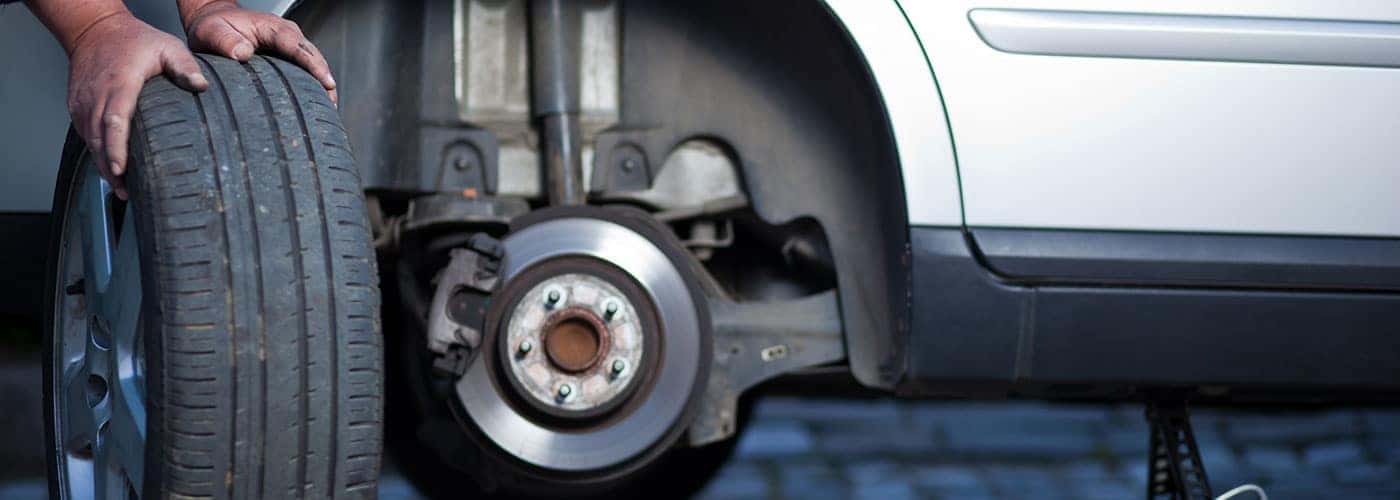
Credit: www.planethyundai.com
Frequently Asked Questions
How Often Should Auto Tires Be Rotated?
Auto tires should be rotated every 5,000 to 7,500 miles. Regular rotation ensures even tire wear and extends tire life. Check your vehicle’s manual for specific recommendations.
Why Is Tire Rotation Important For My Car?
Tire rotation balances tire wear across all wheels. It improves traction, handling, and fuel efficiency. Regular rotation helps prevent premature tire replacement.
Can I Rotate Tires Myself Or Need A Mechanic?
You can rotate tires yourself if you have the right tools and knowledge. Otherwise, a mechanic can perform it safely and correctly. Proper rotation pattern is essential for effectiveness.
What Happens If I Don’t Rotate My Tires?
Failing to rotate tires causes uneven wear. This reduces tire lifespan and can lead to poor vehicle handling. It may also increase the risk of tire blowouts.
Conclusion
Rotating your auto tires keeps them wearing evenly and lasting longer. Most experts suggest doing it every 5,000 to 7,500 miles. Regular tire rotation helps improve safety and saves money on replacements. It also keeps your car running smoothly. Don’t wait until tires show uneven wear.
Make tire rotation part of your routine car care. Simple steps like this protect your vehicle and your budget. Keep your tires healthy and enjoy a safer drive.