
Have you ever noticed your check engine light glowing and wondered, “Will my car’s auto start still work?” That little warning can cause a lot of stress, especially when you rely on auto start to warm up your car or get going quickly. You might be asking yourself if ignoring that light could lead to bigger problems or if your vehicle will simply refuse to start.
You’ll discover exactly what happens when the check engine light is on and how it affects your auto start system. Keep reading to make sure you’re not caught off guard the next time that light flickers on.
Check Engine Light Basics
The check engine light is a warning signal on your car’s dashboard. It alerts you when the engine or emissions system has a problem. The light can turn on for many reasons, some serious and others minor.
Understanding what triggers the check engine light can help you decide if you can keep driving or need to stop and fix the issue. This guide explains common causes and how severe the warning might be.
Common Causes
Several issues can cause the check engine light to turn on. Some of the most frequent causes include:
- Loose or damaged gas cap
- Faulty oxygen sensor
- Malfunctioning spark plugs or wires
- Problems with the catalytic converter
- Issues with the mass airflow sensor
Severity Levels
The check engine light can signal different levels of urgency. Some issues are safe to drive with, while others need immediate attention to avoid damage.
| Light Behavior | Meaning | Recommended Action |
| Steady Light | Minor issue or maintenance needed | Check soon, but driving is usually safe |
| Blinking Light | Serious engine misfire | Stop driving and get help immediately |
| Intermittent Light | Problem comes and goes | Monitor and inspect as soon as possible |
How Auto Start Systems Work
Auto start systems let your car start without using a key. You press a button or use a remote to start the engine. These systems make it easier to warm up or cool down your car before you get in.
The system checks many parts before starting the engine. It looks for issues that might stop the car from running safely. If a problem is detected, the system may stop the engine from starting.
Key Features
Auto start systems connect to your car’s engine and battery. They use sensors to check if the engine can start safely. The system also works with your car’s ignition and security systems.
- Remote engine start with a key fob or app
- Automatic engine warm-up or cool-down
- Integration with car alarms and locks
- Ability to set timers for starting the engine
Safety Mechanisms
The system stops the engine from starting if it detects a problem. For example, if the check engine light is on, the system may prevent auto start. This protects your car from further damage.
Other safety checks include making sure the car is in park and the brake pedal is not pressed. These checks help avoid accidents or engine damage.
- Check engine light status prevents auto start
- Car must be in park gear
- Brake pedal position is monitored
- Security system verification
Impact Of Check Engine Light On Auto Start
The check engine light signals a problem with your car’s system. It can affect many features, including auto start.
Auto start lets you start your car remotely. The check engine light can sometimes stop this function for safety reasons.
System Restrictions
Some cars have safety rules that limit auto start. If the check engine light is on, these rules may block the function.
The system may prevent auto start to protect the engine and other parts. This helps avoid bigger problems.
- Engine faults can stop remote start
- Car may check emissions before starting
- Security systems may disable auto start
When Auto Start May Fail
Auto start may fail if the check engine light signals serious issues. The car stops starting to stay safe.
Low battery or sensor problems can also cause auto start to fail. The system needs everything working to start remotely.
- Major engine problems detected by the light
- Faulty sensors that affect engine health
- Low battery voltage in the car
- Security alerts triggered by the system
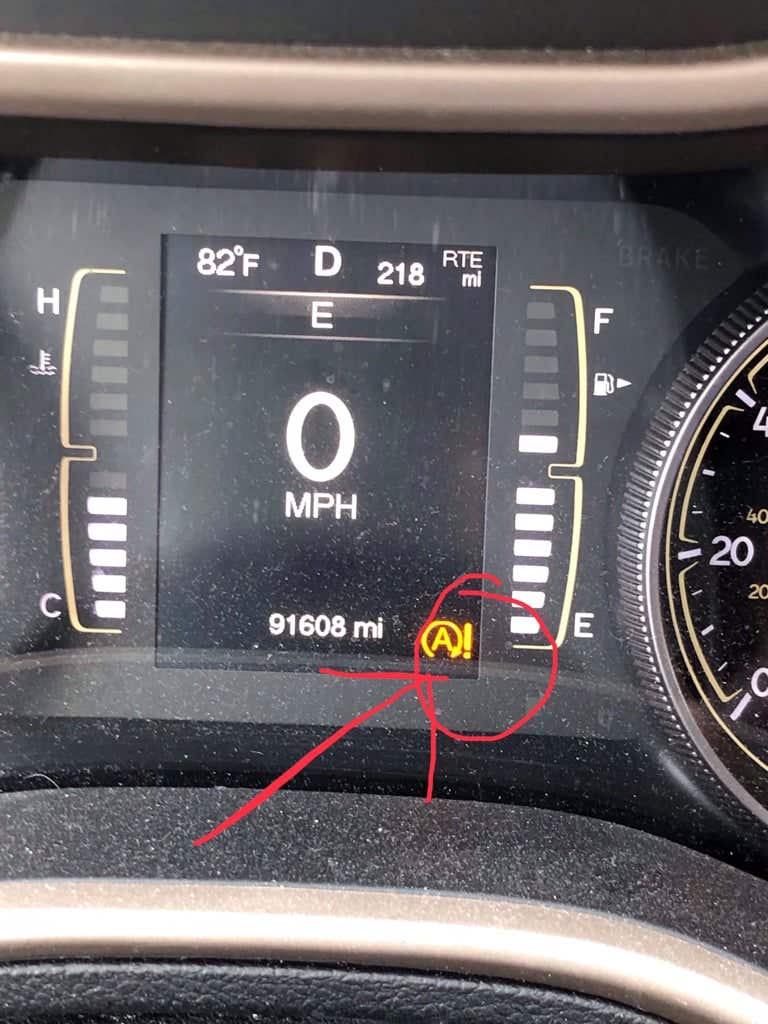
Credit: www.jeepcherokeeclub.com
Expert Recommendations
Auto start systems in cars help save fuel and reduce emissions. But the check engine light signals a problem. Knowing when to let auto start work or when to disable it is important for safety.
This guide explains how to diagnose issues and when to turn off the auto start feature if the check engine light is on.
Diagnosing Issues
The check engine light can mean many things. Some issues are minor, others need quick attention. You should start by checking the trouble codes with a scanner.
- Check for loose gas caps or leaks
- Look for problems with sensors or emissions systems
- Listen for unusual engine noises
- Note if the car runs rough or stalls
- Scan the car’s computer for error codes
When To Disable Auto Start
Auto start may cause more damage if the engine has serious problems. Disabling it helps protect your engine until you fix the issue.
| Condition | Recommended Action |
| Engine misfires or runs rough | Disable auto start |
| Check engine light blinks | Disable auto start and service immediately |
| Minor issues like loose gas cap | Auto start can remain enabled |
| Emissions system faults | Consider disabling until repaired |
Maintaining Auto Start Functionality
The auto start feature lets your car start automatically. It adds convenience and saves time.
If the check engine light is on, the auto start might not work well. Keeping this function active needs care and attention.
Regular Maintenance Tips
Check your car often to keep the auto start working. Fix small problems before they get bigger.
- Inspect engine and battery regularly
- Replace old or worn parts on time
- Check sensors related to auto start
- Clean the engine area to avoid issues
Regular maintenance helps find problems that may cause the check engine light. Fixing them keeps auto start reliable.
Software Updates
Modern cars use software to control auto start. Updates can fix bugs and improve performance.
Visit your dealer or service center for updates. Some updates may fix issues causing the check engine light.
- Check for software updates regularly
- Install updates recommended by the manufacturer
- Use authorized service centers for updates
- Keep your car’s system up to date

Credit: www.acg.aaa.com

Credit: www.infinitioftustin.com
Frequently Asked Questions
Will Auto Start Work If Check Engine Light Is On?
Yes, auto start usually works with the check engine light on. However, some serious engine issues might disable this feature for safety.
Can Check Engine Light Affect Remote Start Functionality?
In most cases, the check engine light does not affect remote start. But severe engine problems can sometimes prevent remote start activation.
Should I Ignore Check Engine Light If Auto Start Works?
No, don’t ignore the check engine light even if auto start works. It signals a potential issue that needs prompt diagnosis and repair.
Does A Flashing Check Engine Light Disable Auto Start?
A flashing check engine light often indicates a severe problem. This condition may disable auto start to protect your engine from damage.
Conclusion
A check engine light does not always stop auto start from working. Sometimes the system still works, but issues may affect performance. It’s best to have your car checked soon. Ignoring the light can cause bigger problems later. Stay safe and keep your vehicle in good shape.
Understanding how auto start works helps you make smart choices. Always pay attention to warning lights and signals in your car. This keeps your driving smooth and trouble-free.