
Are you ready to hit the open road on your motorcycle but unsure if you need a helmet where you live? Knowing which states require motorcycle helmets can save you from fines and keep you safer.
Your safety and wallet depend on understanding the laws before you ride. You’ll discover exactly which states have helmet requirements and what that means for you. Keep reading to make sure you’re fully prepared and protected every time you ride.
Helmet Laws By State
Motorcycle helmet laws vary by state in the US. Some states require helmets for all riders.
Other states have rules for certain riders or no helmet rules at all. Knowing your state’s law is important.
States With Universal Helmet Laws
These states require all motorcycle riders and passengers to wear helmets. The laws apply regardless of age or experience.
- California
- New York
- Florida
- Illinois
- Washington
- Texas
- Ohio
- Virginia
- Minnesota
- Oregon
States With Partial Helmet Laws
These states require helmets for some riders only. Often, the rules depend on age or experience level.
- Alabama: Helmets required under age 18
- Colorado: Helmets required under age 21
- Georgia: Helmets required for riders under 18
- Indiana: Helmets required for riders under 18
- New Mexico: Helmets required under age 18
- North Carolina: Helmets required under age 21
- South Carolina: Helmets required under age 21
- Tennessee: Helmets required under age 21
- Wisconsin: Helmets required under age 18
States With No Helmet Laws
These states do not require motorcycle helmets for any riders. Wearing a helmet is left to rider choice.
- Illinois (for riders over 21 with insurance)
- Iowa
- New Hampshire
- Florida (if rider has insurance)
- Texas (if rider has insurance)
- Virginia (if rider has insurance)
- Wisconsin (if rider has insurance)

Credit: curtislegalgroup.com
Age And Helmet Requirements
Motorcycle helmet laws vary across states in the US. Many states set rules based on the rider’s age.
Understanding these age-specific helmet mandates helps riders stay safe and follow the law.
Age-specific Helmet Mandates
Most states require helmets for younger riders. The age limit and rules differ by state.
| State | Helmet Required For | Age Limit |
|---|---|---|
| California | All riders | All ages |
| Florida | Riders under 21 | Under 21 years |
| Texas | Riders under 21 | Under 21 years |
| New York | All riders | All ages |
| Illinois | Riders under 18 | Under 18 years |
These laws aim to protect young and inexperienced riders, who face higher risks.
Exceptions For Experienced Riders
Some states allow older riders to skip helmets if they meet experience or insurance rules.
- Riders over a certain age may be exempt.
- Proof of insurance sometimes replaces helmet use.
- Some states require a minimum number of years riding without accidents.
- Other states offer exemptions if riders complete safety courses.
These exceptions vary widely. Riders should check local laws before riding without a helmet.
Helmet Safety Standards
Motorcycle helmets protect riders from serious head injuries. Safety standards ensure helmets meet strong protection rules.
Different safety certifications show that helmets pass tests for impact and durability. Knowing these helps riders choose safe helmets.
Dot Certification
The Department of Transportation (DOT) sets helmet safety rules in the United States. DOT certification means the helmet passed impact and penetration tests.
- Helmets must protect against strong impacts.
- They must cover the head properly.
- Straps and fasteners must hold well.
- The helmet shell must resist penetration.
- Labels with DOT certification must be on the helmet.
Snell And Ece Standards
Snell and ECE are two other important helmet safety standards. They test helmets with strict procedures to ensure high protection levels.
| Standard | Region | Focus |
| Snell | United States | More rigorous impact and retention tests |
| ECE (Economic Commission for Europe) | Europe and other countries | Tests for impact, penetration, and field of vision |

Credit: www.motorcyclesdata.com
Penalties For Non-compliance
Wearing motorcycle helmets is a legal requirement in many states. Not following these laws can lead to serious penalties. These rules help keep riders safe on the road.
Penalties differ from state to state. They may include fines, points on your license, or even court appearances. Understanding these consequences can help you avoid trouble.
Fines And Legal Consequences
Most states fine riders who do not wear helmets. These fines vary widely. Some states charge a small fee, while others impose hefty penalties. Repeat offenses can lead to higher fines or more severe punishments.
- Fines range from $25 to over $500
- Points may be added to your driving record
- Some states require court appearances for repeat offenders
- Failure to comply can result in license suspension
Impact On Insurance Claims
Not wearing a helmet can affect your insurance claims. Insurance companies may reduce or deny benefits if you break helmet laws. This can lead to higher out-of-pocket costs.
| Issue | Effect on Insurance |
| No helmet at accident | Claim denial or reduction |
| Helmet law violation | Higher premiums |
| Injury severity worsened | Possible coverage limits |
Benefits Of Wearing Helmets
Motorcycle helmets protect riders from head injuries. Many states require helmets by law.
Wearing a helmet keeps you safer on the road. It also helps with comfort and visibility.
Injury Prevention
Helmets reduce the risk of serious head injuries during crashes. They absorb impact and protect your skull.
Many studies show helmets lower death rates in motorcycle accidents. They are the best way to stay safe.
- Protects brain from severe damage
- Prevents cuts and bruises on the head
- Reduces risk of fatal injuries
Enhanced Visibility And Comfort
Helmets improve your visibility to others on the road. Bright colors and reflective parts help drivers see you.
They also protect your face from wind, rain, and bugs. This makes riding more comfortable and safer.
- Shields eyes from dust and debris
- Reduces wind noise for better focus
- Keeps you warm or cool depending on weather
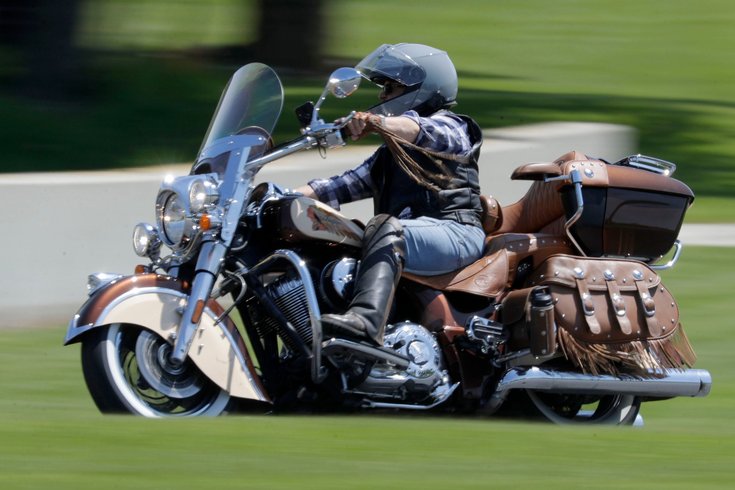
Credit: www.phillyvoice.com
Recent Changes In Helmet Laws
Motorcycle helmet laws are changing in many states. These changes aim to improve safety and adapt to new trends.
Some states have updated their laws recently. They are focusing on protecting riders and passengers.
Legislative Updates
Several states have modified their helmet requirements. These updates reflect the growing concern for road safety.
For example, Michigan has altered its helmet laws. Riders can now choose based on their experience and insurance coverage.
- Riders over 21 may choose not to wear a helmet.
- Must have $20,000 in medical insurance coverage.
- Need two years of riding experience.
Trends In Helmet Law Reforms
Helmet law reforms are trending towards flexibility. States are considering rider choice and safety together.
Some states are loosening helmet requirements. They are focusing on education and rider responsibility.
- Educational programs for new riders.
- Incentives for wearing helmets voluntarily.
- Focus on public awareness campaigns.
Frequently Asked Questions
Which States Mandate Motorcycle Helmet Use For All Riders?
States like California, New York, and Florida require helmets for all motorcycle riders regardless of age or experience. These laws aim to reduce fatalities and serious injuries in crashes. Helmet requirements vary, so always check local regulations before riding.
Are There States With No Motorcycle Helmet Laws?
Yes, states such as Illinois, Iowa, and New Hampshire do not require helmets for riders over a certain age. Riders in these states can legally ride without helmets if they meet specific criteria, like having insurance or a certain age.
Do Helmet Laws Differ For Adults And Minors?
Many states require helmets only for riders under 18 or 21 years old. Adults above this age may ride without helmets depending on state laws. This distinction aims to protect younger, less experienced riders.
How Do Helmet Laws Impact Motorcycle Safety Statistics?
Helmet laws significantly lower fatality and head injury rates among motorcyclists. States with universal helmet laws report fewer deaths and serious injuries. Wearing helmets is proven to save lives and reduce accident severity.
Conclusion
Motorcycle helmet laws vary from state to state. Some states require helmets for all riders. Others only for certain ages or types of riders. Wearing a helmet helps protect your head in a crash. It can save your life or reduce injuries.
Always check the rules where you ride. Stay safe, follow the law, and enjoy the road.