Have you ever wondered what happens if you get hurt in a car accident? You might think your health insurance will cover everything, but that’s not always the case.
This is where Medical Payments coverage on your auto policy steps in. It can help pay for your medical bills, no matter who caused the accident. Understanding exactly what Medical Payments covers can save you from unexpected expenses and stress.
Keep reading to discover how this part of your auto insurance works and why it might be a crucial addition to your policy.
Medical Payments Coverage Basics
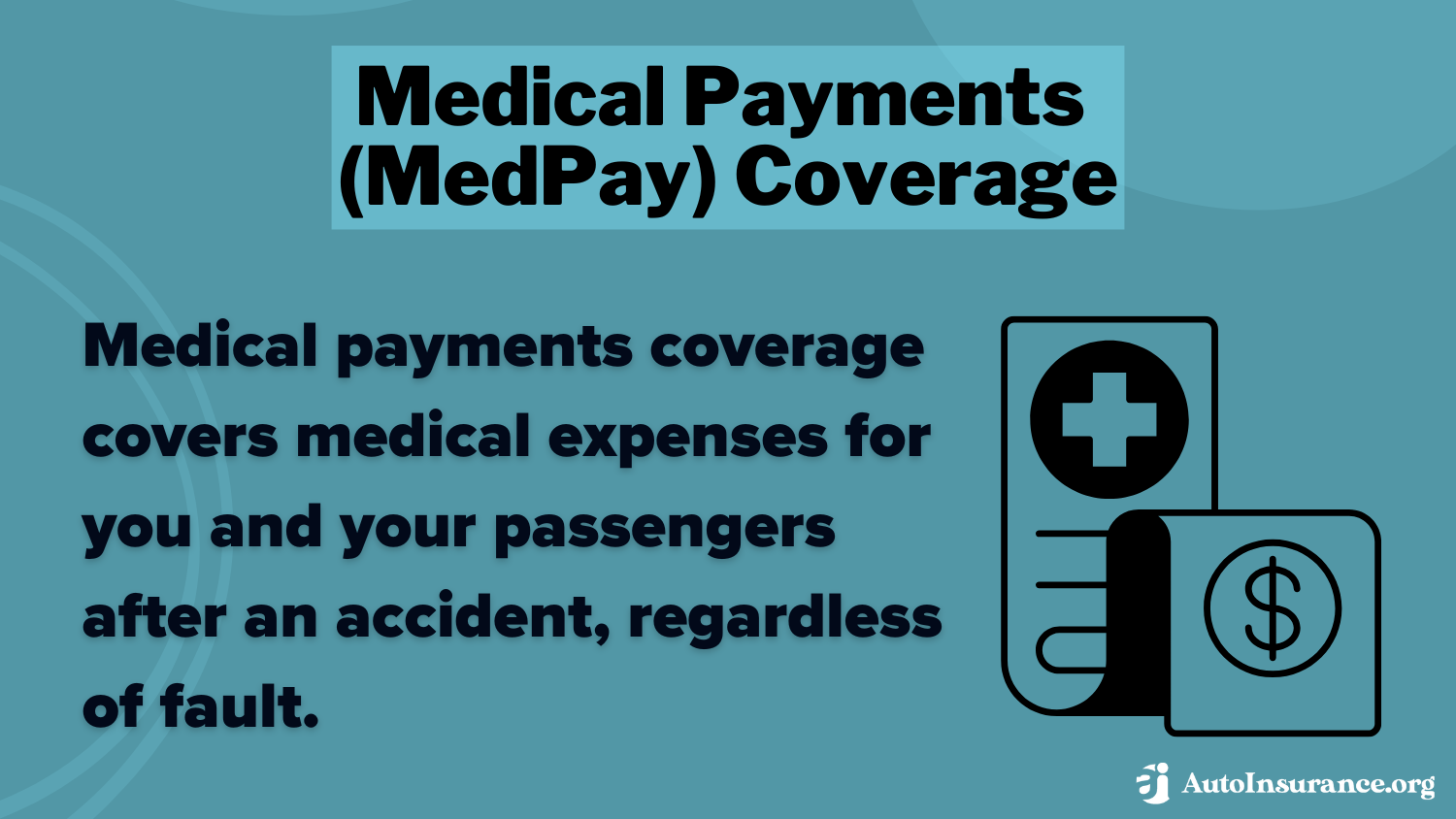
Medical payments coverage helps pay for medical bills after a car accident. It covers injuries regardless of who caused the accident.
This coverage is part of your auto insurance policy. It offers quick help for medical costs without waiting for fault decisions.
Who Is Covered
Medical payments coverage protects several people involved in the accident. It usually includes drivers and passengers in your vehicle.
- The policyholder and family members in any car
- Passengers riding in your car
- You as a pedestrian hit by a car
- People injured while using your vehicle with permission
Types Of Medical Expenses Included
Medical payments coverage helps pay for many health costs from auto accidents. It covers more than just hospital bills.
| Type of Expense | Description |
|---|---|
| Hospital stays | Costs for emergency room and hospital care |
| Doctor visits | Payments for doctors’ exams and treatments |
| Medical tests | Charges for X-rays, MRIs, and other tests |
| Rehabilitation | Physical therapy and other recovery services |
| Funeral costs | Coverage for burial expenses in case of death |

Credit: www.youtube.com
Accidents Covered By Medical Payments
Medical payments coverage helps pay medical bills after a car accident. It covers injuries no matter who caused the crash.
This coverage applies to different types of accidents. It protects drivers, passengers, and others involved in the incident.
Injuries Inside The Vehicle
This coverage applies to people hurt inside the insured vehicle. It helps pay for medical care after crashes like:
- Collisions with other cars
- Hitting a stationary object like a tree
- Rollovers causing injuries
- Sudden stops causing whiplash
Injuries Outside The Vehicle
Medical payments may cover injuries outside the car. This includes accidents that happen while:
- Loading or unloading the vehicle
- Fixing a flat tire on the roadside
- Getting in or out of the car
- Walking near the vehicle in a parking lot
Pedestrian And Bystander Injuries
Medical payments can also cover injuries to pedestrians and bystanders. These people get hurt in accidents involving the insured car.
| Who is Injured | Examples of Covered Injuries |
| Pedestrians | Hit by the insured vehicle while crossing the street |
| Bystanders | Struck by debris from an accident |
| Others Near the Vehicle | Injured during a crash involving the insured car |
Limits And Deductibles
Medical payments coverage on an auto policy helps pay for medical bills after a car accident. It covers you and your passengers, no matter who caused the crash.
Understanding limits and deductibles is important. These define how much your insurance will pay and what you pay first.
Typical Coverage Limits
Coverage limits are the highest amount your insurance will pay for medical bills. These limits vary by policy and state.
Most policies offer limits like $1,000, $5,000, or $10,000. You can choose higher limits for more protection.
- Lower limits mean lower premiums but less coverage
- Higher limits cost more but cover bigger medical bills
- Limits apply per person or per accident
How Deductibles Work
A deductible is the amount you pay before insurance pays. Not all medical payments coverage has a deductible.
If your policy has a deductible, you pay it first. The insurance covers the rest up to your limit.
- Deductibles can lower your premium costs
- Higher deductibles mean you pay more at first
- Check your policy to see if a deductible applies
Credit: www.gauthmath.com
Medical Payments Vs. Personal Injury Protection
Medical Payments and Personal Injury Protection are two types of car insurance coverage. Both help pay for medical bills after a car accident. They cover injuries regardless of who caused the crash.
Knowing the difference helps you pick the right coverage for your needs. Each has unique features and limits.
Key Differences
Medical Payments (MedPay) covers medical costs for you and passengers. It pays for hospital bills, doctor visits, and sometimes funeral costs.
Personal Injury Protection (PIP) offers broader coverage. It pays for medical expenses plus lost wages and other related costs. PIP can cover rehab, childcare, and more.
- MedPay covers only medical and funeral expenses.
- PIP covers medical, lost income, and extra services.
- MedPay applies regardless of fault.
- PIP is required in some states but not all.
- PIP often has higher coverage limits than MedPay.
When To Choose Each
Choose Medical Payments if you want simple, basic coverage for medical bills. It works well if you have good health insurance.
Pick Personal Injury Protection if you want more help after an accident. It pays for lost income and extra costs that MedPay does not cover.
- MedPay suits drivers in states without PIP requirements.
- PIP fits drivers in no-fault states where it is mandatory.
- MedPay is good for low-cost coverage.
- PIP is better for full protection after injuries.
- Consider your health insurance and job situation.
Claims Process For Medical Payments
Medical payments coverage helps pay for your medical bills after a car accident. Knowing how to file a claim can speed up your recovery process.
This guide explains the steps to file a claim, what documents you need, and how long approval takes.
Filing A Claim
Start by contacting your insurance company as soon as possible. Provide details about the accident and your injuries. They will guide you through the claim process.
- Call your insurer or use their online portal.
- Give accurate accident details.
- Explain your medical treatment needs.
- Follow any instructions from your insurer.
Documentation Needed
Your insurer requires proof to process your claim. Gather all important papers before submitting your claim.
| Document | Purpose |
| Police report | Verify accident details |
| Medical bills | Show treatment costs |
| Doctor’s notes | Confirm injuries and care |
| Insurance claim form | Formal claim submission |
Claim Approval Timeline
After submitting your claim and documents, the insurer reviews your case. The time for approval varies by company and claim complexity.
- Initial review usually takes 7 to 14 days.
- Insurer may request more information.
- Claims are approved or denied based on coverage.
- You will receive payment once approved.
Credit: www.autoinsurance.org
Additional Benefits Of Medical Payments Coverage
Medical payments coverage on an auto policy helps cover costs after an accident. It offers several additional benefits for drivers and passengers.
This coverage is useful for medical expenses, regardless of who is at fault. It provides peace of mind for drivers and their families.
Coverage For Family Members
Medical payments coverage also protects your family. It covers their medical expenses if they are injured in an accident.
This includes family members riding in your car or injured as pedestrians. It ensures they get the care they need.
Coverage For Passengers
Passengers in your car are also covered under this policy. Their medical bills can be paid through your medical payments coverage.
This is important if you often drive with friends or coworkers. They can receive medical help quickly without worrying about costs.
No-fault Coverage Advantages
No-fault coverage means you get help even if you cause the accident. It speeds up the process of getting medical care.
This type of coverage reduces stress after an accident. It helps you focus on recovery instead of worrying about blame.
- Quick access to medical care
- Applies regardless of fault
- Reduces out-of-pocket expenses
Common Exclusions In Medical Payments Coverage
Medical payments coverage on an auto policy helps cover medical expenses. But, there are certain situations where coverage is not provided.
It’s important to know these common exclusions to understand your policy better. This helps in avoiding surprises during a claim.
Injuries From Commercial Use
If you use your car for business, medical payments may not apply. Insurance policies often exclude coverage for commercial activities.
- Rideshare driving
- Delivery services
- Transporting goods
Injuries From Intentional Acts
Intentional acts leading to injuries are not covered. This includes scenarios where the driver causes harm on purpose.
Other Typical Exclusions
Besides commercial use and intentional acts, there are other exclusions. Knowing these helps in planning better for emergencies.
| Exclusion | Description |
| Racing | Injuries during racing events |
| War | Damages caused by war or warlike actions |
| Non-permissive use | When someone uses your car without permission |
Tips To Maximize Medical Payments Benefits
Medical payments coverage helps pay for medical bills after a car accident. It can cover you and your passengers. Using it well can reduce your out-of-pocket costs.
Here are some tips to get the most from your medical payments coverage. They focus on choosing the right limit, combining coverage, and avoiding claim problems.
Choosing The Right Coverage Limit
Selecting the right coverage limit is key to protecting yourself. A low limit might leave you with unpaid bills. A high limit means higher premiums but better protection.
- Estimate possible medical costs after an accident.
- Consider your health insurance and what it covers.
- Pick a limit that covers most expected expenses.
- Review your limit yearly and adjust as needed.
Combining With Other Insurance
Medical payments coverage can work with other insurance types. Knowing how they interact can avoid gaps or overlaps in coverage.
| Insurance Type | How It Works with Medical Payments |
| Health Insurance | Covers medical bills after your medical payments limit is used. |
| Personal Injury Protection (PIP) | Often covers similar expenses; check which pays first. |
| Liability Insurance | Covers others’ injuries, not yours; medical payments cover you. |
Avoiding Claim Denials
Claim denials can delay your benefits. Follow these tips to avoid common problems.
- Report the accident to your insurer quickly.
- Keep all medical records and bills organized.
- Provide clear proof that injuries relate to the car accident.
- Don’t miss deadlines for filing claims.
- Understand your policy’s terms and coverage limits.
Frequently Asked Questions
What Does Medical Payments Coverage Include?
Medical payments coverage pays for medical and funeral expenses after a car accident. It applies regardless of fault and covers you, passengers, and sometimes pedestrians.
Is Medical Payments Coverage Mandatory On Auto Policies?
Medical payments coverage is optional in most states. However, some states require it. It is wise to check your state laws and insurance policy details.
How Much Medical Payments Coverage Do I Need?
Coverage limits vary but typically range from $1,000 to $10,000. Choose based on your health insurance, risk level, and financial protection needs.
Does Medical Payments Coverage Cover Passengers’ Injuries?
Yes, it covers medical costs for you and your passengers. It applies regardless of who caused the accident.
Conclusion
Medical payments coverage helps pay for injuries after a car accident. It covers medical bills for you and passengers. This coverage works even if you caused the crash. It can ease financial stress during a tough time. Knowing what it covers helps you choose the right policy.
Protect yourself with clear knowledge about medical payments. Stay safe and prepared on the road.