
Have you ever wondered how you can tell when your tires need to be replaced without guessing? Wear bars on auto tires are the simple yet powerful answer.
These tiny ridges hidden between the tire treads can reveal a lot about your tire’s health. Knowing what wear bars are and how to spot them can keep you safer on the road and save you money in the long run.
Keep reading to discover exactly what wear bars do and why you should never ignore them.
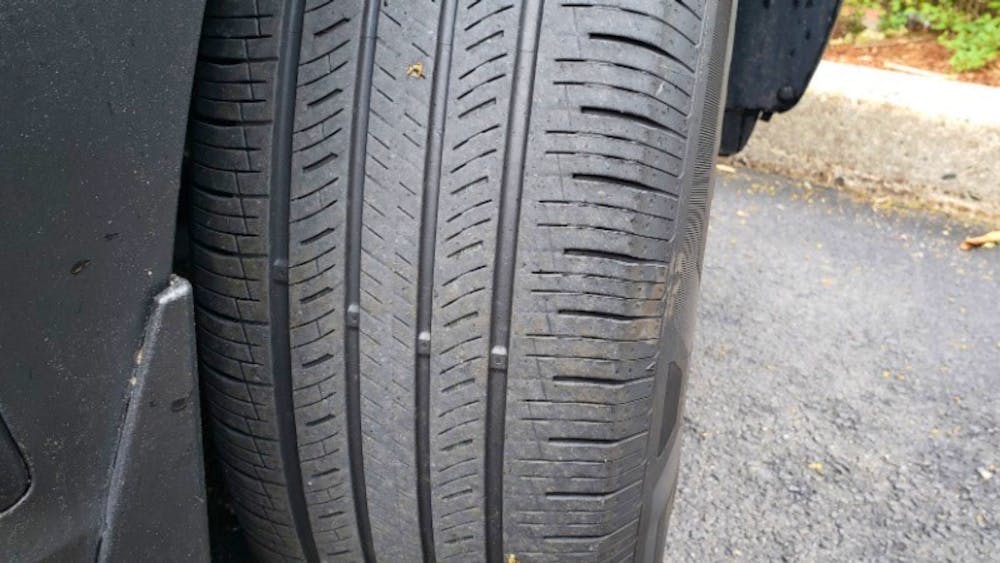
Credit: www.cartalk.com
Purpose Of Wear Bars
Wear bars are small raised sections on tire treads. They help drivers see how much the tire tread has worn down. These bars are key for knowing when it is time to replace a tire.
Understanding wear bars helps keep tires safe and effective. They serve a clear purpose on the tire surface and help with safety monitoring.
Function On Tire Surface
Wear bars appear in the grooves of the tire tread. They stay raised as the tread wears down. When the tread wears to the level of the wear bars, it means the tire is near the end of its life.
- Show the minimum safe tread depth
- Help measure tread wear visually
- Prevent driving on overly worn tires
- Are built into the tire during manufacturing
Role In Safety Monitoring
Wear bars alert drivers to replace tires before they become unsafe. Tires with worn tread lose grip and increase accident risk. The bars provide a simple, visual safety check.
| Wear Bar Status | Meaning | Safety Action |
| Above tread surface | Tread is safe and has good depth | Continue normal use |
| Level with tread surface | Tread is worn to minimum safe depth | Plan to replace tire soon |
| Below tread surface | Tread is too worn and unsafe | Replace tire immediately |

Credit: tireonway.com
How To Identify Wear Bars
Wear bars help you know when your tire tread is low. They show if your tires need replacing.
It is important to find wear bars on your tire. This helps keep your driving safe.
Location On The Tire
Wear bars are small raised strips inside the tire grooves. They run across the tread.
Look closely between the main tread patterns. Wear bars appear at regular intervals.
- Found in the tire’s tread grooves
- Usually spaced evenly around the tire
- Run perpendicular to the tread lines
Visual Indicators
Wear bars become visible when tread wears down. They look like thin, flat strips.
If the tread is level with the wear bars, the tire is worn out. This means it’s time to replace the tire.
- Wear bars are slightly raised and smooth
- Tread depth matches wear bar height when worn
- Visible wear bars mean less grip on the road
Wear Bars And Tire Tread Depth
Wear bars are small raised sections found in the grooves of a tire’s tread. They show the lowest safe tread depth allowed by law.
Tire tread depth affects how well your tires grip the road. It helps with traction, especially on wet surfaces.
Minimum Tread Requirements
The minimum tread depth is usually 2/32 of an inch in many places. When tread wears down to wear bars, it means the tire needs replacing.
Driving on tires with less than the minimum tread is unsafe and illegal. Wear bars help drivers check this without tools.
- Wear bars appear when tread is low
- They indicate when tires have worn out
- Legal tread depth is 2/32 inch in many areas
Impact On Traction
Tires with good tread depth provide better grip on roads. Worn tires lose traction, especially on wet or slippery surfaces.
Wear bars show when tread is too low to maintain good traction. This increases the risk of accidents and longer stopping distances.
- Deep tread helps water escape from under the tire
- Worn tires increase the chance of hydroplaning
- Wear bars warn when traction is reduced
Consequences Of Ignoring Wear Bars
Wear bars on auto tires show how much tread is left. They help you know when to replace tires. Ignoring wear bars can cause serious problems.
When tires are worn past the wear bars, they lose grip and control. This makes driving unsafe, especially in bad weather.
Risks On Wet Roads
Tires worn beyond wear bars cannot push water away well. This causes water to build up under the tire. The car may slip or skid on wet roads.
Worn tires increase the chance of hydroplaning. Hydroplaning means the tires lose contact with the road. This makes steering and braking harder.
- Longer stopping distances on wet surfaces
- Less control when turning or braking
- Higher chance of skidding or sliding
- Reduced ability to handle rain puddles
Increased Accident Probability
Ignoring wear bars raises the risk of accidents. Tires with low tread have less grip on the road. This makes it easier to lose control.
Accidents caused by worn tires can be severe. Stopping distance grows, and the car may not respond well. This increases the chance of crashes.
- More risk of losing control in emergencies
- Longer time and distance to stop safely
- Greater chance of tire blowouts
- Higher likelihood of collisions
When To Replace Tires
Wear bars on auto tires show how much tread is left. They help you know when to change tires. Worn tires can cause accidents and reduce control.
Checking wear bars is an easy way to keep your tires safe. When the tread reaches these bars, it is time to replace the tires.
Signs Of Excessive Wear
Excessive wear means your tires have less grip on the road. This can happen if you drive a lot or on rough roads. Look for these signs:
- Tread is worn down to the wear bars
- Uneven tread wear across the tire
- Visible cracks or cuts on the tire surface
- Bald spots with no tread at all
- Tire feels less stable or slips on wet roads
Wear bars appear as small raised sections in the tire grooves. If the tread is level with these bars, the tire is too worn.
Safety Recommendations
Replace tires before they become unsafe. Worn tires increase stopping distance and risk hydroplaning. Follow these tips:
- Check tire tread monthly using wear bars
- Replace tires when tread is at or below wear bars
- Inspect tires for cracks, bulges, or damage regularly
- Maintain proper tire pressure to avoid uneven wear
- Rotate tires every 5,000 to 8,000 miles for even wear
Using tires with good tread helps keep you and others safe on the road.

Credit: www.reddit.com
Tips For Maintaining Tire Health
Maintaining your tires is key to safe driving. Proper care extends their life and improves vehicle performance.
Understanding wear bars and conducting regular checks helps keep your tires in top shape.
Regular Inspections
Regular inspections help identify issues early. Look for wear bars, which indicate tire tread depth.
- Inspect tires monthly for wear bars
- Check for any visible damage or punctures
- Examine tire treads for uneven wear patterns
Proper Inflation And Rotation
Keeping your tires properly inflated ensures even wear. It also improves fuel efficiency.
| Action | Frequency |
| Check tire pressure | Monthly |
| Rotate tires | Every 5,000 to 8,000 miles |
| Align wheels | Annually or as needed |
Follow these steps to maintain tire health and ensure safe driving conditions.
Frequently Asked Questions
What Are Wear Bars On Auto Tires?
Wear bars are small raised sections inside tire grooves. They indicate the minimum tread depth for safe driving. When tread wears down to the bars, it signals the tire needs replacement to maintain grip and safety.
How Do Wear Bars Affect Tire Safety?
Wear bars show when tire tread is too low. Low tread reduces traction, especially on wet roads. When tread touches wear bars, tires lose grip, increasing accident risk. Replacing tires at this point ensures safer driving conditions.
Can Wear Bars Help Prevent Hydroplaning?
Yes, wear bars indicate tread depth, which affects water dispersal. Adequate tread channels water away, reducing hydroplaning risk. When tread reaches wear bars, tires can’t disperse water well, increasing hydroplaning chances. Replace tires to maintain safe water traction.
Where Are Wear Bars Located On Tires?
Wear bars are located inside the main tread grooves. They run perpendicular to the tread pattern. These bars become visible as the tread wears down evenly. Checking their visibility helps assess tire wear status quickly.
Conclusion
Wear bars help you know when tires need replacing. They show if tire tread is too low. Driving on worn tires can be unsafe. Checking wear bars is quick and easy. Keep an eye on them for better safety. Tires with clear wear bars grip the road well.
Don’t wait until tires are too old. Regular checks can prevent accidents and save money. Wear bars are small but very important. Stay safe by understanding what they mean.