
Have you ever noticed your car’s headlights turning on by themselves as dusk falls or when you enter a tunnel? Those are your auto lights at work.
But what exactly are auto lights, and how do they benefit you every time you drive? Understanding this feature can make your driving safer and more convenient, especially when your hands are full or visibility changes suddenly. Keep reading to discover how auto lights work, why they matter, and how they can improve your driving experience.
Auto Lights Explained
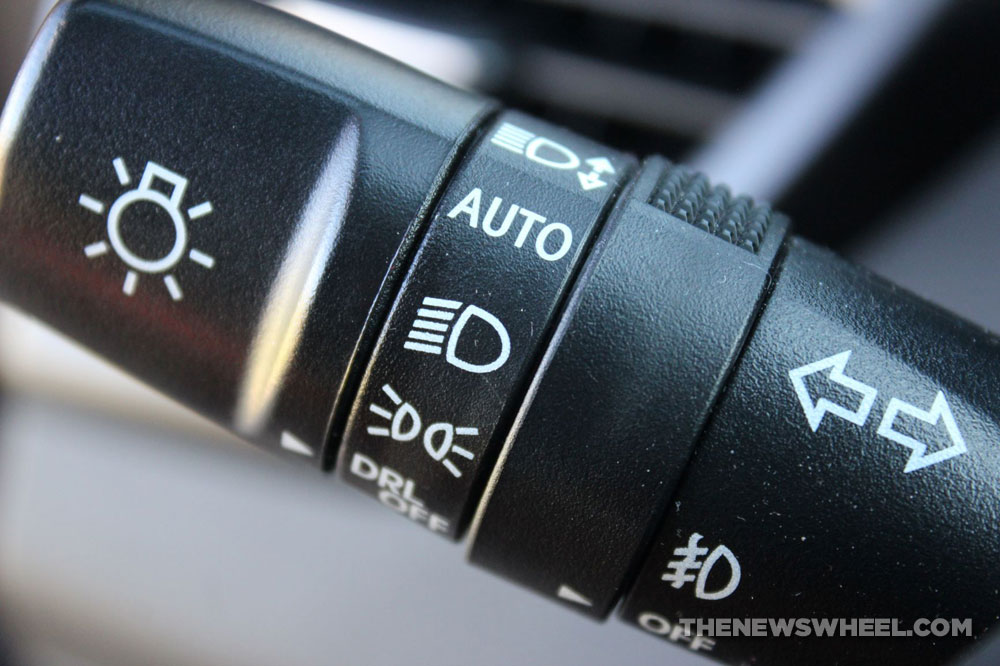
Auto lights help drivers see better and stay safe on the road. They turn on and off by themselves based on conditions.
This guide explains different types of auto lights, how they work, and the sensors they use.
Types Of Auto Lights
There are several types of auto lights that turn on automatically to improve visibility and safety.
- Headlights: Light the road ahead during low light or night.
- Daytime Running Lights: Increase car visibility during the day.
- Fog Lights: Help see better in fog or heavy rain.
- Taillights: Show the car’s position to drivers behind.
- Brake Lights: Signal when the car is slowing down or stopping.
How Auto Lights Work
Auto lights use sensors to detect light levels outside. They switch on or off based on what the sensors read.
- The sensor detects low light, such as at dusk or in a tunnel.
- The car’s control system activates the auto lights.
- The lights turn off when the sensor detects enough daylight.
Sensors Behind Auto Lights
Auto lights rely on sensors that measure ambient light and sometimes rain or darkness.
| Sensor Type | Function |
| Photocell Sensor | Measures light intensity to detect day or night. |
| Rain Sensor | Detects rain to turn on headlights or wipers. |
| Ambient Light Sensor | Adjusts light brightness based on surrounding light. |

Credit: www.youtube.com
Key Features Of Auto Lights
Auto lights help drivers see clearly in different conditions. They turn on and off by themselves. This makes driving safer and easier.
There are several types of auto lights. Each type has its own special features. Understanding them can help you know how they work.
Automatic Headlights
Automatic headlights turn on when it gets dark. They use sensors to detect light levels outside. This means you do not have to switch your headlights manually.
These headlights improve safety by making sure your car is visible. They also save battery power by turning off when not needed.
Daytime Running Lights
Daytime running lights (DRLs) are lights that stay on during the day. They make your car easier to see in daylight. This reduces accidents.
- Turn on automatically with the engine
- Use less power than regular headlights
- Improve vehicle visibility in all weather
- Do not replace headlights at night
Adaptive Lighting Systems
Adaptive lighting systems change the direction and brightness of lights. They adjust based on driving speed and steering. This helps drivers see better on curves and hills.
| Feature | Description |
| Steering Response | Lights turn with the steering wheel |
| Speed Adjustment | Lights brighten or dim based on speed |
| Automatic High Beams | Switch between high and low beams by sensors |
| Improved Night Vision | Better visibility on dark or winding roads |
Benefits Of Using Auto Lights
Auto lights on a car turn on and off by themselves. They use sensors to detect light levels outside.
These lights help drivers by adjusting lighting without manual effort. They also save energy and improve safety.
Enhanced Safety
Auto lights improve safety by making sure your car is always visible. They turn on in low light or bad weather.
- Activate headlights at dusk or dawn
- Turn on lights in tunnels or shaded areas
- Alert other drivers with automatic signals
Convenience For Drivers
Drivers do not need to remember to turn lights on or off. This reduces distractions and lets them focus on driving.
Auto lights adjust automatically for:
- Changing daylight conditions
- Entering or leaving parking garages
- Sudden weather changes like rain or fog
Energy Efficiency
Using auto lights helps save energy by using lights only when needed. This reduces battery drain and fuel use.
| Feature | Energy Impact |
| Automatic On/Off | Prevents lights running unnecessarily |
| Adaptive Brightness | Uses less power in low light |
| LED Integration | Consumes less energy than bulbs |
Installation And Maintenance
Auto lights on a car turn on and off automatically based on lighting conditions. They improve safety by ensuring your headlights work without manual effort. Proper installation and maintenance keep these lights reliable and long-lasting.
This guide covers key differences between factory and aftermarket auto lights, tips to maintain them well, and how to fix common problems.
Factory Vs Aftermarket Auto Lights
Factory auto lights come installed by the car maker. Aftermarket lights are added later by the owner or a mechanic. Both have pros and cons to consider for installation and upkeep.
| Feature | Factory Auto Lights | Aftermarket Auto Lights |
|---|---|---|
| Installation | Comes pre-installed, fits perfectly | Needs professional or DIY installation |
| Cost | Included with car purchase | Additional expense |
| Warranty | Covered by car warranty | May have separate warranty |
| Compatibility | Designed for specific models | Varies by brand and model |
| Customization | Limited options | More style and feature choices |
Tips For Proper Maintenance
Maintaining auto lights helps them last longer and work correctly. Simple care can prevent failures and keep your car safe on the road.
- Clean lenses regularly with a soft cloth and mild cleaner.
- Check light sensors for dirt or damage.
- Replace bulbs as soon as they dim or burn out.
- Inspect wiring for signs of wear or corrosion.
- Test auto light function after maintenance or repairs.
Troubleshooting Common Issues
Auto lights can stop working due to different issues. You can diagnose problems before calling a mechanic.
- Check if the light sensor is blocked by dirt or stickers.
- Test the fuse related to the auto light system and replace if blown.
- Inspect bulbs for damage and replace if needed.
- Look for loose or damaged wiring connections.
- If the system still fails, have a professional check the light control module.
Future Trends In Auto Lighting
Auto lights are changing with new technology. Cars use smarter lights to improve safety and style.
Many new ideas will shape how car lights work in the future. These changes help drivers and the environment.
Smart Lighting Technologies
Smart lights adjust brightness and direction by sensing the road. They help drivers see better at night.
These lights can turn on or off automatically based on traffic or weather. This saves energy and increases safety.
- Adaptive headlights change direction with the steering wheel
- Automatic high beams switch between bright and dim
- Lights that react to fog and rain for better visibility
Integration With Autonomous Vehicles
Self-driving cars need special lights to communicate with other vehicles and people. These lights show the car’s actions.
Lights can signal when the car is stopping, turning, or letting pedestrians cross. This helps avoid accidents.
- Lights that flash or change color to warn others
- Signals that show the car is in autonomous mode
- Communication between cars using light patterns
Eco-friendly Lighting Innovations
New lighting uses less power and lasts longer. This helps reduce waste and saves energy.
Eco-friendly lights use materials that are easier to recycle. They also reduce harmful chemicals in production.
- LED lights that consume less electricity
- Solar-powered lights for extra energy savings
- Lights made from recyclable materials
Credit: thenewswheel.com
Frequently Asked Questions
What Are Auto Lights On A Car?
Auto lights on a car are headlights that turn on and off automatically. They use sensors to detect light levels. This feature improves driving safety and convenience, especially in low light or nighttime conditions.
How Do Auto Lights Work In Cars?
Auto lights use a light sensor, usually near the windshield. When it gets dark, the sensor signals the headlights to turn on. They switch off automatically when ambient light increases, ensuring optimal visibility without manual control.
Are Auto Lights Beneficial For Drivers?
Yes, auto lights enhance safety by providing timely illumination. They help drivers focus on the road without worrying about switching lights. This reduces accidents caused by poor visibility or forgetting to turn on headlights.
Can Auto Lights Drain A Car Battery?
Auto lights are designed to avoid excessive battery drain. They typically turn off when the engine is off. However, if there is a malfunction or lights stay on, it could drain the battery over time.
Conclusion
Auto lights help drivers see better and stay safe. They turn on and off by themselves. This saves time and keeps you focused on the road. Cars with auto lights adjust quickly to changes in light. They work well in tunnels, at dusk, or in rain.
Knowing how auto lights work can improve your driving experience. It makes driving easier, especially in low light. Always check your car’s lights to ensure they function right. Safe driving starts with clear vision and good lighting. Auto lights are a simple way to help with that.