
Have you ever wondered how semi trucks keep moving safely through snowy or icy roads? Auto chains for semi trucks might be the answer you’re looking for.
These special chains can make a huge difference in how your truck handles tough winter conditions. If you want to protect your vehicle, avoid delays, and stay safe on slippery highways, understanding auto chains is a must. Keep reading, and you’ll discover exactly what they are, how they work, and why they could be the best investment for your truck this winter.
Purpose Of Auto Chains
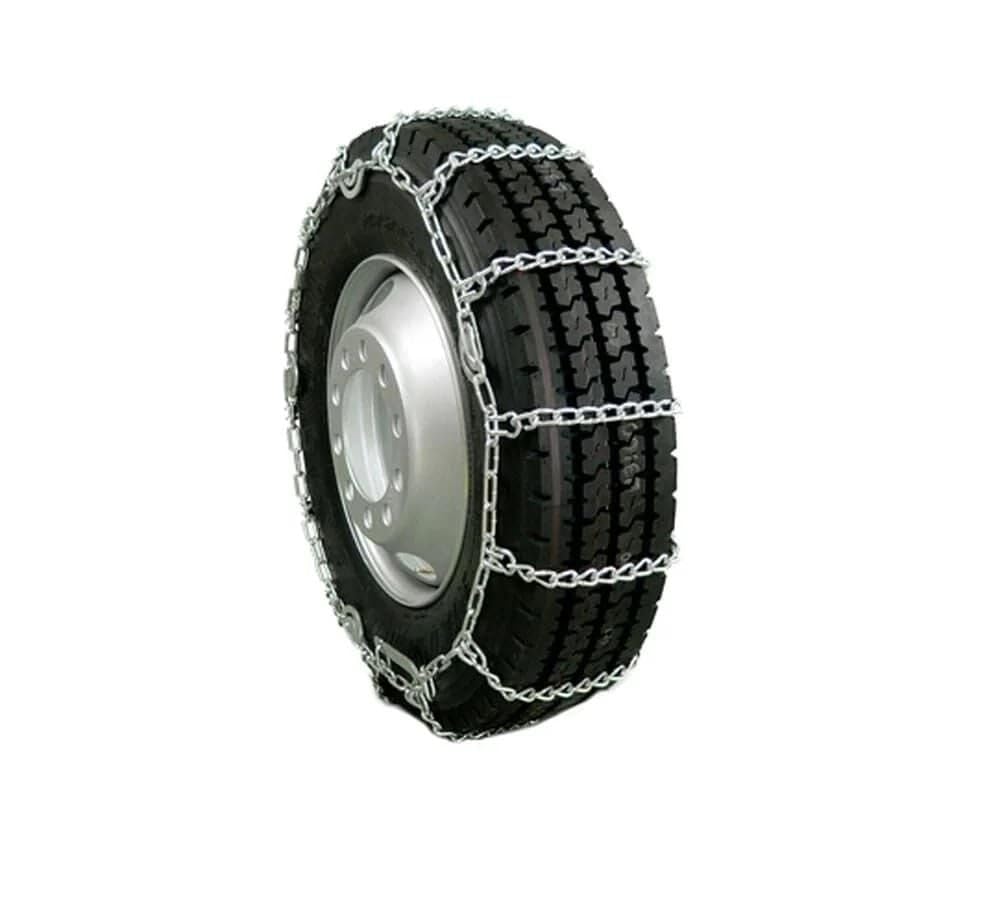
Auto chains help semi trucks drive safely on slippery roads. They improve the truck’s grip on snow and ice.
These chains fit around tires and provide extra traction. They are important for drivers in cold and snowy areas.
Enhancing Traction On Snow And Ice
Auto chains increase tire traction by digging into snow and ice. This helps trucks move forward without slipping.
- Prevent tires from spinning
- Improve control on steep hills
- Help in stopping safely
- Make driving on icy roads possible
Reducing Accident Risks
Using auto chains lowers the chance of accidents on icy roads. They help trucks keep balance and avoid skidding.
| Risk Factor | How Auto Chains Help |
| Slipping | Chains increase tire grip |
| Skidding | Chains improve vehicle control |
| Longer Stopping Distance | Chains shorten braking distance |
Compliance With Road Safety Regulations
Many states require auto chains for trucks in snowy conditions. Using chains helps drivers follow these rules and avoid fines.
Key reasons to comply with chain laws:
- Legal driving on snowy roads
- Protects driver and others on road
- Prevents trucks from getting stuck
- Avoids penalties and delays
Types Of Auto Chains
Auto chains help semi trucks get better traction on slippery roads. They are easy to install and remove. Different types of auto chains work best in different conditions.
Knowing the types of auto chains can help drivers choose the right one for safety and performance.
Cable Chains
Cable chains use steel cables wrapped around the tires. They are lightweight and easy to handle. Cable chains work well on ice and packed snow.
They cause less damage to the road and tires. Cable chains are a good choice for trucks that need to drive on both icy and clear roads.
Link Chains
Link chains are made of metal links that form a web over the tire. They give strong traction on heavy snow and ice. Link chains are durable and last a long time.
These chains are heavier than cable chains and may cause more road wear. They are best for tough winter conditions and long trips.
Composite Chains
Composite chains combine metal and synthetic materials. They are lighter than link chains but stronger than cable chains. Composite chains provide good grip on snow and ice.
These chains reduce noise and vibration. They also protect tires and roads better. Composite chains suit drivers who want a balance of comfort and traction.
How Auto Chains Work
Auto chains help semi trucks gain better grip on slippery roads. They work automatically to improve safety and control. These chains activate without the driver needing to stop or get out.
This technology is important for trucks driving in snow, ice, or mud. Understanding how auto chains work can help drivers use them properly and stay safe.
Installation Process
Auto chains install on the truck’s tires before driving in bad conditions. The installation usually happens while the truck is parked. Some systems attach chains to the tires using a control unit inside the cab.
- Park the truck on a flat surface.
- Connect the control unit to the truck’s power system.
- Attach the auto chains around the drive tires.
- Secure the chains with the automatic tensioning system.
- Test the system by activating it from the cab.
Mechanism Of Traction Improvement
Auto chains improve traction by increasing the tire’s grip on slippery surfaces. The chains dig into snow, ice, or mud to prevent wheel spin. This helps the truck move safely and avoid sliding.
| Surface Type | Effect of Auto Chains |
| Snow | Chains cut through snow to create grip. |
| Ice | Chains provide extra friction to stop slipping. |
| Mud | Chains prevent tires from spinning freely. |
Automatic Vs Manual Operation
Auto chains come in two main types: automatic and manual. Automatic systems activate chains without stopping. Manual systems require the driver to stop and install chains by hand.
- Automatic:Activates from inside the truck, saves time, and increases safety.
- Manual:Requires physical installation, takes more time, and needs driver effort.

Credit: www.amazon.com
Benefits For Semi Truck Drivers
Auto chains are important tools for semi truck drivers. They offer many benefits that improve driving safety and efficiency.
These chains are especially useful in challenging weather conditions. They help drivers maintain control and reduce tire damage.
Improved Vehicle Control
Auto chains give trucks better grip on icy roads. This grip helps prevent skidding and improves control.
- Enhanced traction on snow and ice
- Helps maintain lane stability
- Reduces risk of accidents
Time-saving Features
Using auto chains saves time for drivers. They are easy to deploy when needed, without leaving the cab.
Time efficiency is crucial on the road. Auto chains can be activated with a simple button push.
Reduced Tire Wear
Auto chains also help in reducing tire wear. This keeps tires in good condition longer, saving money on replacements.
| Condition | Without Auto Chains | With Auto Chains |
| Ice | High Wear | Low Wear |
| Snow | Moderate Wear | Minimal Wear |
Choosing The Right Auto Chains
Auto chains help semi trucks get better traction on snow and ice. Picking the right chains keeps the truck safe and moving.
It is important to choose chains that fit well and last long. This guide explains what to think about before buying.
Factors To Consider
There are many things to look at when choosing auto chains. These include size, type, and how easy they are to install.
- Chain type and pattern
- Ease of installation
- Road conditions
- Legal requirements
Compatibility With Truck Tires
Chains must fit the truck tires exactly. Too loose or too tight chains can cause damage or fall off.
Check the tire size and type before buying chains. Some chains fit certain tire models better.
- Match chain size to tire size
- Look for chains made for semi truck tires
- Consider chain thickness for tire protection
- Check if chains work with tire pressure sensors
Budget And Durability
Auto chains come in different prices. Cheaper chains may wear out faster or break more often.
Invest in chains that last through many seasons. Durable chains save money over time by needing fewer replacements.
- Choose chains made of strong materials like manganese steel
- Look for corrosion-resistant chains
- Check warranty and user reviews
- Balance cost with expected use and conditions
Credit: www.amazon.com
Maintenance And Care Tips
Auto chains for semi trucks need proper care to work well. Regular maintenance helps keep them safe and long-lasting.
Following simple steps can prevent damage and ensure the chains perform when needed most.
Cleaning After Use
After using auto chains, clean them to remove dirt, salt, and debris. These materials can cause rust and wear.
Use water and a brush to scrub the chains gently. Avoid harsh chemicals that might damage the metal.
- Rinse chains with clean water
- Scrub with a soft brush
- Dry thoroughly to stop rust
- Apply light oil to protect metal
Storage Recommendations
Store auto chains in a dry place to prevent rust and corrosion. Avoid leaving them in damp or wet areas.
Keep chains off the ground and away from chemicals or oils that can weaken the metal links.
- Hang chains on a wall hook or rack
- Use a storage bag or box for protection
- Keep away from direct sunlight and moisture
- Label storage for easy access
Routine Inspections
Check auto chains before and after use to find any damage. Look for broken links, rust, or weak spots.
Replace or repair chains that show wear to keep safety and performance high.
- Inspect all chain links closely
- Check for rust or corrosion
- Look for bent or broken parts
- Test chain tension and fit
Legal Requirements And Restrictions
Auto chains are devices used on semi trucks to improve traction on snowy or icy roads. Laws about using these chains vary by state and region. Drivers must follow these rules to stay safe and legal.
Knowing when and where to use chains is important for all truck drivers. Not following the rules can lead to fines or other penalties.
State And Regional Laws
Each state or region has its own laws about auto chains for semi trucks. Some places require chains during winter storms. Others only require them on certain mountain roads.
Drivers must check local regulations before driving in new areas. Some states post chain control signs to alert drivers when chains are needed.
- California requires chains in certain mountain areas during snow.
- Colorado uses a chain law system with different levels of restrictions.
- Washington state requires chains or traction tires on some highways.
- New York mandates chains in some regions during winter weather.
Situations Mandating Chains
Chains must be used in specific situations to prevent accidents. These include heavy snow, ice, or steep roads. Signs or orders from road officials usually indicate when chains are required.
Some common situations where chains are mandatory include:
- During winter storms or blizzards
- On mountain passes with steep grades
- When chain control signs are posted
- If local authorities issue chain requirements
Penalties For Non-compliance
Not using chains when required can lead to serious penalties. Drivers may face fines, citations, or even road closures for their trucks. Ignoring chain laws puts everyone on the road at risk.
Penalties vary by state but often include:
- Monetary fines ranging from small to large amounts
- Possible towing or impounding of the truck
- Points on the driver’s license
- Delays due to being stopped or removed from the road

Credit: tirechain.com
Common Challenges And Solutions
Auto chains for semi trucks help with traction on icy roads. They are essential for safety during winter driving conditions. But truck drivers often face challenges when using them.
Understanding these challenges can help drivers find effective solutions. Here are some common issues and ways to deal with them.
Installation Difficulties
Installing auto chains can be tricky for new drivers. The chains can be heavy and awkward to handle. Many drivers struggle with fitting them correctly on the tires.
Proper practice can make installation easier. Watching instructional videos can also help. Some drivers use automatic chain systems to simplify the process.
- Practice chain installation in a safe area
- Watch online tutorials for guidance
- Consider automatic chain systems
Chain Breakage Issues
Chains can break if not installed correctly. Breakage often happens when chains are too loose. This can damage the truck and cause delays.
Regularly inspect chains for wear and tear. Tighten them properly to avoid breakage. Carry spare chains for emergencies.
- Inspect chains before every use
- Ensure chains are tightly secured
- Keep spare chains on board
Handling Emergency Situations
Emergency situations require quick thinking. Chains can come loose or break unexpectedly. Drivers need to know how to handle these situations safely.
Pull over safely to reattach or replace chains. Alert other drivers by using hazard lights. Always have a plan for road emergencies.
- Use hazard lights to warn other drivers
- Pull over safely to fix chain issues
- Have an emergency plan in place
Frequently Asked Questions
What Are Auto Chains For Semi Trucks?
Auto chains are tire chains designed to improve traction on snow and ice. They fit semi truck tires and engage automatically. These chains enhance safety by preventing slippage during harsh winter conditions. They are easy to install and save time compared to manual chains.
How Do Semi Truck Auto Chains Work?
Auto chains wrap around the tire and activate when the tire rotates on slippery surfaces. They provide extra grip by digging into snow or ice. This automatic action helps maintain control and stability. The system adjusts quickly to changing road conditions without driver intervention.
Why Use Auto Chains Instead Of Manual Chains?
Auto chains save time and effort by installing automatically. They reduce the risk of improper fit or damage during manual installation. Drivers can focus on driving safely without stopping frequently. Auto chains offer consistent traction on snowy or icy roads, improving overall safety and efficiency.
Are Auto Chains Legal For Semi Trucks?
Auto chains are legal in many states if they meet specific regulations. Drivers must check local laws regarding chain use and restrictions. Proper certification and approval by transportation authorities ensure compliance. Using approved auto chains helps avoid fines and ensures safe winter travel.
Conclusion
Auto chains help semi trucks drive safely on snow and ice. They give better grip and reduce slipping risks. Installing them saves time and effort during bad weather. Drivers stay more confident and avoid accidents. Choosing the right auto chains is important for your truck’s needs.
Keep chains in good condition for best use. Safe driving means safer roads for everyone. Auto chains are a smart tool for tough winter roads.