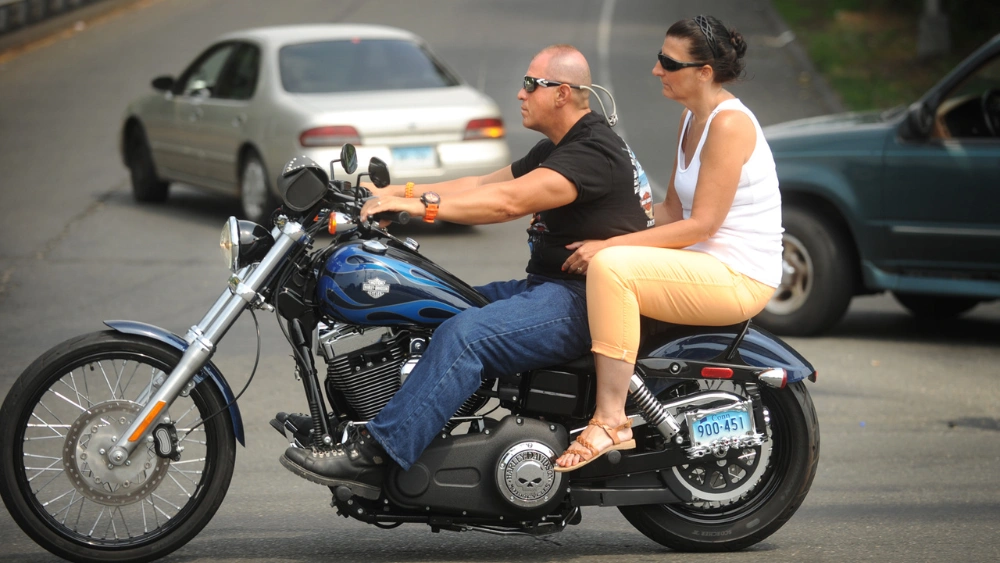
Are you someone who loves the freedom of riding a motorcycle? Before you hit the road without a helmet, you need to know the facts.
Is it illegal to ride a motorcycle without a helmet? This question is more important than you might think. Your safety and your wallet could depend on the answer. Keep reading to find out what the law says, why helmets matter, and how you can protect yourself every time you ride.
Don’t take a chance with your life—get the full story now.
Credit: slingshotlaw.com
Helmet Laws By Region
Riding a motorcycle without a helmet is illegal in many places. Laws vary by country and region. Knowing the rules helps keep riders safe and avoid fines.
This guide covers helmet laws in the United States, Europe, Asia, Australia, and New Zealand. Each region has different rules for helmet use.
United States Helmet Regulations
Helmet laws in the U.S. differ by state. Some states require helmets for all riders. Others only require them for certain groups like young riders.
- 20 states and the District of Columbia require helmets for all motorcyclists.
- 28 states require helmets only for riders under a specific age, usually 18 or 21.
- 3 states have no helmet laws, allowing riders to choose.
European Helmet Requirements
Most European countries require helmets for all motorcycle riders. The laws aim to reduce injuries and deaths. Helmets must meet safety standards.
| Country | Helmet Law | Notes |
| Germany | Mandatory for all riders | Helmets must meet EU standards |
| France | Mandatory for all riders and passengers | Fines apply for no helmet |
| Italy | Mandatory for all riders | Strict enforcement with penalties |
| United Kingdom | Mandatory for all riders | Helmets must be certified |
Helmet Rules In Asia
Helmet laws in Asia vary widely. Some countries require helmets for all riders. Others enforce rules only in cities or busy roads.
- Japan requires helmets for all motorcycle riders and passengers.
- India mandates helmets but enforcement varies by state.
- Thailand requires helmets nationwide with strict fines.
- China has helmet laws but enforcement is uneven.
Laws In Australia And New Zealand
Both Australia and New Zealand require helmets for all motorcycle riders. Helmets must meet specific safety standards. The rules are strict and well enforced.
| Country | Helmet Law | Helmet Standards |
|---|---|---|
| Australia | Mandatory for all riders | Must meet Australian standards (AS/NZS 1698) |
| New Zealand | Mandatory for all riders and passengers | Helmets must comply with safety rules |
Legal Consequences Of Riding Without A Helmet
Riding a motorcycle without a helmet can lead to serious legal problems. Laws about helmets vary by state or country.
Ignoring helmet laws can cause fines, license issues, and problems with insurance claims.
Fines And Penalties
Many places charge fines if you ride without a helmet. The amount can differ depending on the location.
Sometimes, penalties increase for repeat offenses or if you cause an accident.
- First offense fines range from $50 to $500
- Higher fines for repeat violations
- Possible court appearances
License Suspension Risks
Riding without a helmet can lead to your license being suspended. This means you cannot legally ride or drive.
Suspensions usually happen after multiple helmet law violations or related traffic offenses.
- Suspension periods vary by region
- May require re-testing to get license back
- Can affect your driving record
Impact On Insurance Claims
Insurance companies may reduce or deny claims if you ride without a helmet. This is because you did not follow safety laws.
Not wearing a helmet can be seen as risky behavior. It can raise your insurance rates over time.
- Possible claim denial after accidents
- Higher insurance premiums
- Less coverage for injuries
Exceptions To Helmet Laws
Helmet laws require most motorcycle riders to wear helmets. Some places allow exceptions under certain conditions.
These exceptions vary by region and are based on age, medical needs, religion, or motorcycle type.
Age-based Exemptions
Some states or countries allow riders above a certain age to ride without helmets. These rules often apply to experienced riders.
- Riders over 65 years old may not need to wear helmets.
- Some places require proof of insurance or riding experience.
- Rules can differ between passengers and drivers.
Medical And Religious Exceptions
Riders can sometimes avoid helmets for medical or religious reasons. Proper documents are usually required.
| Exception Type | Requirement | Notes |
| Medical | Doctor’s certificate | Proof of health condition |
| Religious | Religious affidavit | Helmet conflicts with beliefs |
Vintage And Custom Motorcycle Rules
Some rules exempt riders of vintage or custom motorcycles from helmet laws. These rules recognize the style and use of older bikes.
Common conditions for these exemptions include:
- The motorcycle must be a certain age, often 25 years or older.
- The bike may need to be registered as vintage or custom.
- Exemptions might only apply during special events or parades.
Helmet Safety Standards
Riding a motorcycle without a helmet can be risky. Helmets protect your head during crashes. Safety standards help ensure helmets work well.
Different countries have rules about helmet safety. These rules set tests for strength and impact protection. Knowing these helps you pick a safe helmet.
Certifications To Look For
Certified helmets meet safety tests. Look for labels that show the helmet passed these tests. They mean the helmet can protect your head well.
- DOT (Department of Transportation) – US standard
- ECE (Economic Commission for Europe) – European standard
- Snell – Independent safety testing group
- SHARP – UK rating system for impact protection
Choosing The Right Helmet
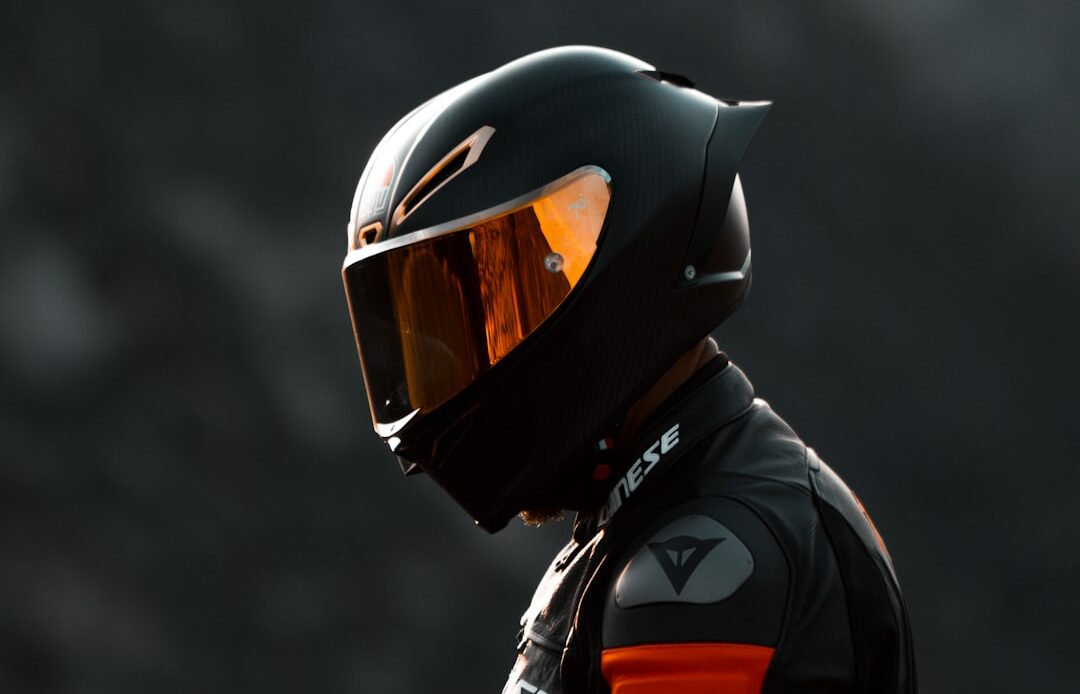
Pick a helmet that fits your head snugly. It should feel comfortable without pressure points. A good fit means better protection.
Check for features like ventilation and weight. These affect how long you can wear the helmet comfortably. Also, pick a style you like.
- Measure your head size before buying
- Try helmets on to check comfort
- Look for adjustable straps and padding
- Pick a helmet suitable for your riding style
Common Helmet Materials
Helmet shells use different materials for strength and weight. The choice affects safety and comfort. Each material has pros and cons.
- Polycarbonate:Strong and affordable plastic
- Fiberglass:Lightweight and good at absorbing impact
- Carbon Fiber:Very light and strong but costly
- Composite:Mix of materials for balanced performance
Benefits Of Wearing A Helmet
Wearing a helmet while riding a motorcycle is very important. It helps protect your head and keeps you safer on the road.
Helmets offer many benefits that improve safety and comfort during your ride.
Reducing Injury Risks
Helmets protect your head in case of accidents. They reduce the chance of serious injuries.
Wearing a helmet lowers the risk of brain damage and death in crashes.
- Absorbs impact forces
- Protects skull and brain
- Prevents cuts and bruises
Enhancing Visibility
Helmets often have bright colors or reflective materials. This helps other drivers see you better.
Improved visibility can reduce accidents by making you more noticeable on the road.
- Bright colors catch attention
- Reflective strips shine at night
- Visors reduce glare from the sun
Comfort And Weather Protection
Helmets protect you from wind, rain, and dust. They keep your face and head comfortable.
Good helmets also reduce noise and help keep you warm or cool.
- Shields against wind and rain
- Keeps bugs and dust away
- Reduces wind noise
- Helps maintain temperature

Credit: www.youtube.com
Advocacy And Helmet Law Changes
Riding a motorcycle without a helmet can be risky. Laws about helmet use vary in different places. Groups are working to change this.
Advocates push for stricter helmet laws. They aim to reduce injuries and fatalities. Legal changes reflect this push.
Groups Promoting Helmet Use
Many groups support helmet use. They educate the public on safety. Their campaigns are visible in communities.
- National Safety Council
- Motorcycle Safety Foundation
- Local rider clubs
Recent Legal Reforms
Some regions have updated helmet laws. These changes aim to protect riders better. Lawmakers consider safety statistics when making reforms.
| State | Helmet Requirement |
| California | Mandatory for all riders |
| Texas | Over 21 with insurance |
| Florida | Over 21 with health coverage |
Public Opinion Trends
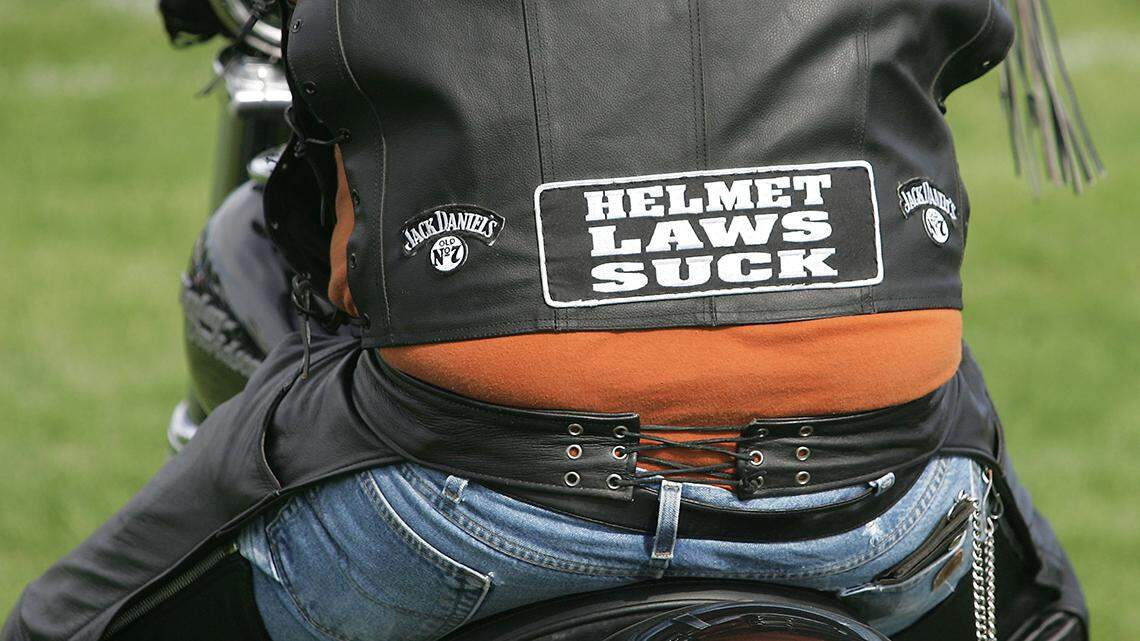
Public opinion on helmet laws varies. Some support mandatory laws. Others prefer personal choice. Surveys show mixed feelings.
Credit: www.kansascity.com
Frequently Asked Questions
Is It Illegal To Ride A Motorcycle Without A Helmet?
Helmet laws vary by location. Many states require helmets for all riders. Some allow exceptions for adults. Always check local laws before riding without a helmet.
What Are The Risks Of Riding Without A Helmet?
Riding without a helmet increases head injury risk in accidents. Helmets significantly reduce the chance of severe brain injuries and fatalities.
Do All States Require Motorcycle Helmets?
No, helmet laws differ by state. Some states have universal helmet laws, while others have partial or no helmet requirements.
Can I Be Fined For Not Wearing A Helmet?
Yes, in states with helmet laws, riders can face fines. Penalties vary depending on the state and specific violation.
Conclusion
Riding a motorcycle without a helmet is often against the law. Rules change by state or country. Wearing a helmet protects your head from serious injury. It also helps you avoid fines or penalties. Safety should always come first on the road.
Choose to wear a helmet every time you ride. Stay safe, follow the rules, and enjoy your ride. Your life is worth the extra effort. Simple steps make a big difference.