
Are you thinking about adding speakers to your motorcycle helmet? It sounds like a great way to enjoy music or take calls while riding, right?
But before you do, you need to know the rules. Is it illegal to have speakers in your motorcycle helmet? The answer might surprise you and could save you from fines or even dangerous situations. Keep reading to find out what the law says, how it affects your safety, and what you should consider before installing speakers in your helmet.
Your next ride could depend on it.
Legal Status Of Helmet Speakers
Many motorcyclists like to use speakers inside their helmets. These speakers play music or navigation sounds. Some wonder if having speakers inside a helmet is legal.
The rules about helmet speakers vary by place. Some areas allow them, while others have limits or bans. Knowing the laws helps riders stay safe and avoid fines.
Laws By Country
Different countries have different rules about helmet speakers. In some countries, helmet speakers are legal as long as they do not block outside sounds.
Other countries may ban helmet speakers because they can distract riders or reduce hearing ability. Always check the local laws before using helmet speakers abroad.
- United States:Helmet speakers are generally legal if they do not impair hearing.
- United Kingdom:Allowed but must not block important sounds like sirens.
- Germany:Usually permitted, but volume should be low.
- Australia:Varies by state, some restrict usage.
State And Local Regulations
In some countries, states or cities make their own rules about helmet speakers. These rules can be stricter than national laws.
Local rules may limit volume or require riders to hear outside sounds clearly. Some places may ban speakers if they distract the rider.
- Some U.S. states require at least one ear to hear traffic sounds.
- Certain cities may ban speakers during night riding.
- Local police can stop riders if speakers block hearing emergency signals.
International Perspectives
Countries differ in how they see helmet speakers. Some see them as safety aids, others as risks. International riders should be aware of this.
Global motorcycle safety groups often advise riders to keep speakers at low volume. This helps riders hear traffic and stay alert.
- European safety standards focus on hearing outside sounds.
- Asia has mixed rules; some countries ban speakers in helmets.
- International riders should research laws before travel.
Safety Concerns
Using speakers inside a motorcycle helmet raises important safety questions. Riders must understand the risks before adding any audio device to their helmet.
This article looks at how speakers affect hearing, cause distractions, and change helmet safety.
Impact On Hearing
Speakers can lower a rider’s ability to hear important sounds. Traffic noise and emergency sirens may become harder to detect.
- Reduced awareness of surrounding vehicles
- Possible hearing damage from loud volume
- Difficulty hearing warning signals
- Delayed reaction to hazards
Distraction Risks
Audio from speakers can distract riders from the road. Listening to music or calls may take attention away from driving safely.
| Distraction Type | Effect on Safety |
| Music | Can reduce focus on traffic sounds |
| Phone Calls | Divides attention between conversation and riding |
| Navigation Audio | Helpful but can still distract if too frequent |
Helmet Integrity
Adding speakers may change how a helmet fits and protects your head. Modifications can weaken the helmet’s structure.
Consider these points before installing speakers:
- Drilling holes can damage the helmet shell.
- Extra wires add weight and discomfort.
- Speakers may interfere with helmet padding.
- Altered helmets might fail safety tests.
Common Uses Of Helmet Speakers
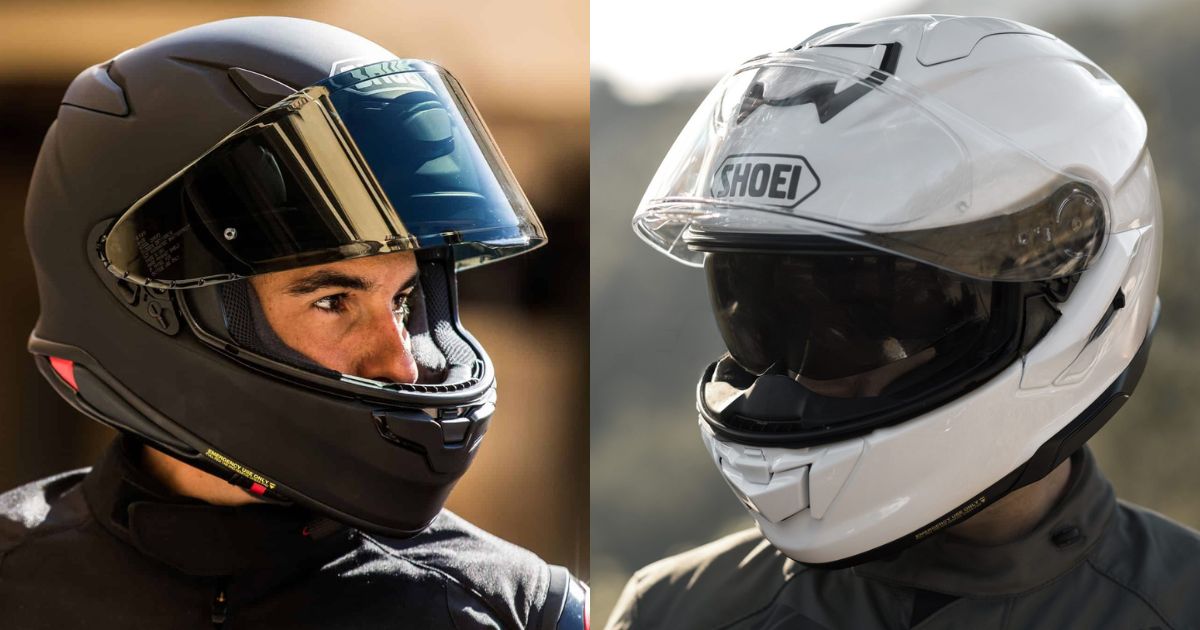
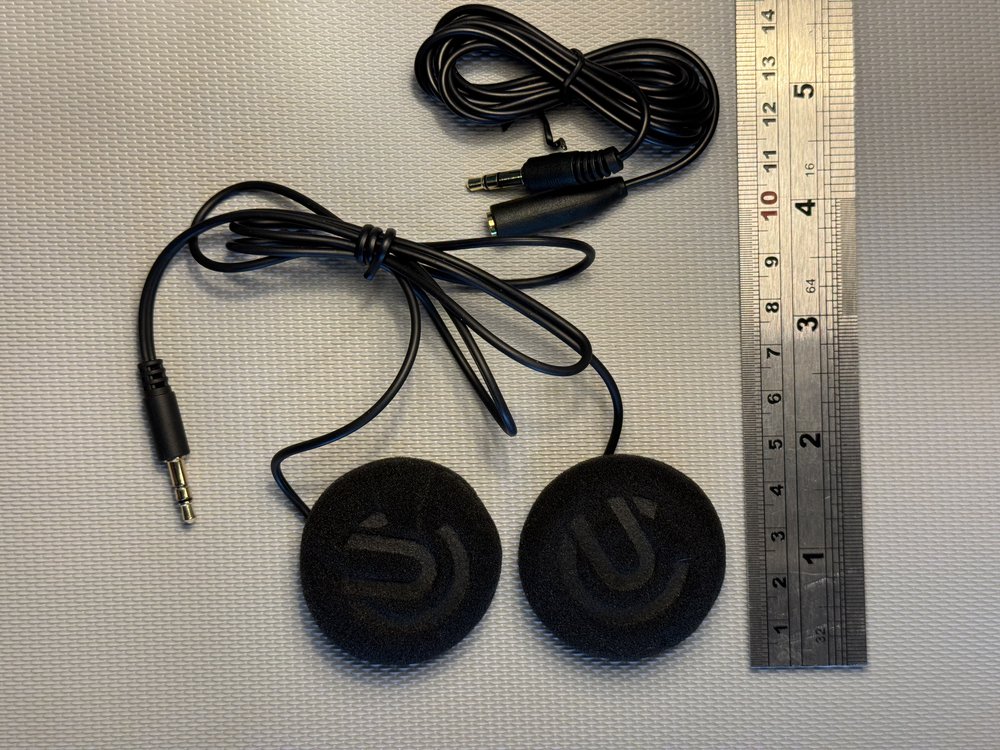
Helmet speakers are small audio devices placed inside motorcycle helmets. They help riders hear sounds clearly without removing the helmet. Many motorcyclists use speakers for different reasons while riding.
Using speakers can make rides safer and more enjoyable by giving riders access to important sounds and communication tools. Here are some common ways riders use helmet speakers.
Navigation Assistance
Helmet speakers allow riders to hear GPS directions clearly. This helps them follow routes without looking at a screen. Riders get turn-by-turn instructions through the speakers inside their helmets.
Listening to navigation prompts keeps riders focused on the road. It reduces the risk of accidents caused by checking phones or GPS devices while riding.
Communication With Passengers
Helmet speakers help riders talk to passengers during rides. They improve conversation by reducing wind and road noise. Both the rider and passenger can hear each other clearly.
This communication is important for safety and comfort. Riders can warn passengers about turns or stops. Passengers can also share information without shouting.
Listening To Music Or Calls
Many riders use helmet speakers to listen to music or phone calls. The speakers connect to smartphones or other devices via Bluetooth. This lets riders enjoy music while keeping their hands free.
Using speakers for calls allows safe communication without stopping. Riders can answer or make calls while on the move. This helps them stay connected without risking safety.
Credit: itsbetterontheroad.com
Enforcement And Penalties
Many riders wonder about the rules for having speakers in motorcycle helmets. Different places have different laws. It is important to know how law enforcement handles this issue.
Penalties for breaking these laws can vary. Some areas may fine riders or take other actions. This section explains typical fines, law enforcement practices, and cases.
Typical Fines
Fines for using speakers in helmets depend on local rules. Some places treat it as a distraction or noise violation. Here are common fines you might face:
- Small fines under $50 for first offenses
- Higher fines up to $200 for repeated violations
- Possible points on your driving record
- Confiscation of audio devices in some cases
Law Enforcement Practices
Police officers watch for distractions that affect safety. If speakers in helmets are loud or block outside sounds, officers may stop riders. They check if the devices break local laws.
Officers often use these methods:
- Visual checks during traffic stops
- Listening for loud audio while riding
- Checking if riders respond to traffic signals
- Issuing warnings or fines if needed
Cases And Precedents
Several court cases show how laws apply to helmet speakers. Judges look at safety risks and local rules. Below is a table with examples of cases and outcomes:
| Case | Location | Outcome |
| State v. Rider | California | Fine upheld due to distraction |
| Smith v. City Police | Texas | Warning issued, no fine |
| Johnson v. Traffic Court | Florida | Fines reduced on appeal |
| Lee v. State | New York | Device confiscated, fine paid |
Alternatives To Helmet Speakers
Many riders want to listen to music or communicate while riding. Using speakers inside a helmet might be illegal in some areas. There are safe and legal alternatives to helmet speakers. These options keep you connected without breaking rules.
Below are some common alternatives that riders use. Each option has its own benefits and features. Choose one that fits your needs and riding style.
Bluetooth Communication Systems
Bluetooth communication systems attach to your helmet or bike. They allow hands-free calls and music streaming. These devices connect easily with smartphones and other riders. Many models include noise control to keep sound clear.
- Easy installation and removal
- Supports phone calls and GPS navigation
- Group communication with other riders
- Long battery life for extended rides
Handlebar Audio Devices
Handlebar audio devices mount directly on your motorcycle. They play music and announcements out loud. These systems keep your helmet free of electronics. They are weather-resistant and designed for outdoor use.
| Feature | Benefit |
|---|---|
| Mounting Location | On handlebars, no helmet modification needed |
| Sound Output | Loud and clear through speakers near the rider |
| Controls | Easy access to volume and track changes |
| Durability | Waterproof and dust resistant for all conditions |
Earbuds And Other Options
Earbuds fit inside your ears and deliver sound directly. They are small and lightweight. Some earbuds are designed to fit under helmets safely. Others use bone conduction to keep ears open to outside sounds.
- Wireless earbuds with secure fit
- Bone conduction earbuds for safety
- Custom-molded earplugs with audio
- Simple wired earbuds with helmet-friendly cables

Credit: www.youtube.com
Tips For Using Helmet Speakers Safely
Using speakers in your motorcycle helmet can be fun. They allow you to enjoy music or take calls while riding. But safety must come first.
Here are some tips to use helmet speakers safely. Follow these to ensure a safe and enjoyable ride.
Volume Control
Keep the volume at a safe level. Loud sounds can harm your ears and distract you.
- Set volume low enough to hear traffic
- Use auto volume adjustment features
- Pause music in busy areas
Choosing Quality Equipment
Pick good quality helmet speakers. They offer better sound and safety features.
Invest in brands known for durability and safety. This ensures a better riding experience.
Following Local Laws
Check local laws about helmet speakers. Some places may have restrictions or specific rules.
Knowing the laws helps you avoid fines and ride safely. Always stay informed about the latest regulations.
Credit: itsbetterontheroad.com
Frequently Asked Questions
Is It Legal To Install Speakers In Motorcycle Helmets?
Yes, installing speakers in motorcycle helmets is generally legal. However, laws vary by location, so check local regulations. Speakers must not obstruct hearing important sounds like sirens or horns for safety reasons.
Can Speakers In Helmets Affect Motorcycle Riding Safety?
Speakers can distract riders if volume is too high. They may reduce awareness of traffic sounds. Use speakers responsibly to maintain focus and hearing of crucial road noises for safe riding.
Are There Helmet Laws Restricting Audio Devices?
Some regions have laws limiting or banning audio devices in helmets. These laws aim to prevent rider distraction and ensure hearing of emergency signals. Always verify your state or country’s rules before using helmet speakers.
How Do Helmet Speakers Impact Hearing Traffic Sounds?
Helmet speakers can muffle or mask important external sounds. This may reduce a rider’s ability to hear horns, sirens, or engine noise. Keep volume moderate to stay alert and aware of surroundings.
Conclusion
Having speakers in your motorcycle helmet is usually allowed. Laws differ by location, so check local rules first. Safety matters most—keep volume low to hear traffic sounds. Use speakers that do not block your ears completely. Stay aware of your surroundings while riding.
Enjoy music or calls, but ride responsibly every time. Staying safe keeps your ride fun and legal.