
Are you wondering if it’s illegal to drive a motorcycle without a helmet? This question matters more than you might think.
Your safety and the law are closely connected when it comes to helmets. Whether you ride every day or just occasionally, knowing the rules can protect you from fines—and more importantly, serious injury. Keep reading to discover what the law says, why helmets are crucial, and how you can stay safe on the road.
This information could make all the difference the next time you hit the streets.

Credit: www.reddit.com
Helmet Laws By Region
Riding a motorcycle without a helmet can be illegal in many places. Laws about helmets vary widely across the world. Some regions require helmets for all riders. Others have partial rules or none at all.
Understanding local helmet laws helps riders stay safe and avoid fines. This guide shows helmet law differences by region.
Countries With Mandatory Helmet Laws
Many countries have strict rules requiring all motorcycle riders to wear helmets. These laws aim to reduce head injuries and save lives.
- Australia
- Japan
- United Kingdom
- Germany
- South Korea
- India
- Brazil
In these countries, helmets must meet safety standards and be worn at all times when riding.
States With Partial Helmet Requirements
Some states or regions require helmets only for certain groups. For example, younger riders or new license holders must wear helmets.
- Florida (USA): Helmets required for riders under 21
- Texas (USA): Helmets required for riders under 21 or with less experience
- Thailand: Helmets required only in some provinces
- Mexico: Helmet laws vary by state
These partial laws aim to protect vulnerable riders while giving some freedom to experienced ones.
Places Without Helmet Mandates
Some areas have no laws forcing motorcycle riders to wear helmets. Riders can choose whether to wear helmets or not.
- Parts of the United States (certain states)
- Some Caribbean countries
- Many African nations
- Certain regions in Southeast Asia
Even without laws, wearing a helmet is important for safety and injury prevention.
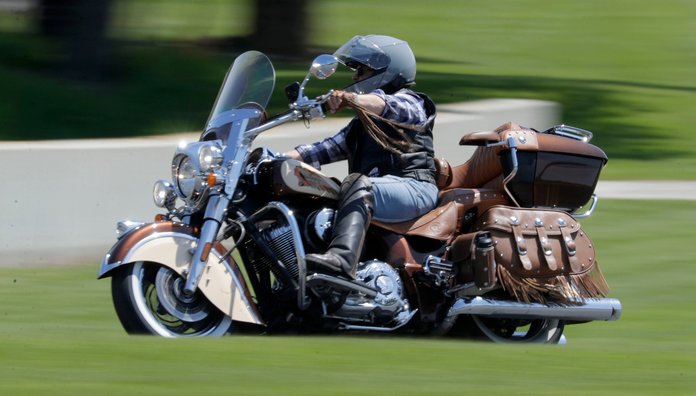
Credit: www.phillyvoice.com
Safety Benefits Of Wearing Helmets
Wearing a helmet while riding a motorcycle helps protect your head. It lowers the risk of serious injuries during crashes.
Helmets also shield riders from weather and flying debris. This makes riding safer and more comfortable.
Reducing Head Injuries
Helmets absorb the impact when a rider hits the ground or another object. This reduces the chance of brain injuries.
Without a helmet, the skull can crack or the brain can be damaged. Helmets act as a strong barrier to protect these areas.
Impact On Fatality Rates
Wearing helmets lowers the chance of dying in a motorcycle accident. Studies show fewer fatalities among helmeted riders.
Helmets reduce the force of crashes on the head, which helps save lives in serious accidents.
Protection Against Weather And Debris
Helmets protect riders from rain, wind, and sun. This keeps riders comfortable and focused on the road.
They also shield the face and eyes from dust, bugs, and small stones that can hit at high speeds.
Legal Penalties For Not Wearing Helmets
Riding a motorcycle without a helmet can lead to serious legal trouble. Laws vary by state, but many impose penalties to ensure rider safety. Understanding these penalties helps riders avoid fines and other consequences.
This section explains fines, license effects, and when exceptions apply. Knowing this information keeps you informed and safe on the road.
Fines And Citations
Most states charge a fine if you ride without a helmet. These fines differ based on location and repeat offenses.
- First offense fines usually range from $25 to $200
- Repeat offenses can result in higher fines or court appearances
- Some states add points to your driving record
- Police may issue citations if caught without a helmet
License And Insurance Consequences
Not wearing a helmet can affect your driving license and insurance rates. Penalties vary, but they can be serious.
| Consequence | Description |
|---|---|
| License Points | Some states add points for helmet violations, risking suspension |
| Insurance Premiums | Insurance companies may raise rates after a helmet citation |
| License Suspension | Repeated violations can lead to temporary license loss |
Exceptions And Exemptions
Some riders may be exempt from helmet laws. These exceptions depend on state rules and specific conditions.
Common helmet law exceptions include:
- Riders over a certain age, often 18 or 21 years old
- Medical exemptions with official documentation
- Riders with specific types of insurance coverage
- Participants in parades or special events under local rules
Helmet Standards And Certifications
Riding a motorcycle without a helmet can be dangerous. Helmets save lives by protecting your head. Different countries have standards for helmets. Understanding these can help you choose a safe helmet.
Here, we will discuss two main certifications: DOT and ECE. We will also guide you in choosing the right helmet and explore common helmet types.
Dot And Ece Certifications
DOT and ECE are two important helmet standards. DOT is used in the United States. ECE is common in Europe. Both have strict testing procedures to ensure safety.
| Certification | Region |
| DOT | United States |
| ECE | Europe |
Choosing The Right Helmet
Selecting the right helmet is important. It should fit well and meet safety standards. Consider comfort, visibility, and ventilation.
- Check for DOT or ECE certification labels
- Ensure a snug fit but not too tight
- Look for helmets with good ventilation
- Choose a helmet with clear visibility
Common Helmet Types
Motorcycle helmets come in various types. Each type offers different levels of protection and comfort. Here are some common types you might consider.
- Full-face:Offers maximum protection for the face and chin.
- Modular:Combines features of full-face and open-face helmets.
- Open-face:Covers the sides and top of the head but leaves the face exposed.
- Half-helmet:Provides minimal coverage, mainly for the top of the head.
Debates On Helmet Laws
Many people discuss whether riding a motorcycle without a helmet should be illegal. Some argue that wearing helmets protects riders, while others say it limits personal choice.
This debate touches on safety, costs, and how well the laws work. Different views come from different values and concerns.
Personal Freedom Vs. Public Safety
Some riders believe they should decide if they want to wear a helmet. They say adults can make their own safe choices.
Others think the government must protect people by making helmets mandatory. They say helmets save lives and prevent injuries.
- Freedom supporters want less government control
- Safety advocates want laws to reduce accidents
- Both sides care about riders but differ on rules
Economic Impact On Healthcare
Helmet laws can affect medical costs after crashes. Injured riders without helmets often need more care.
More injuries mean higher hospital bills. These costs can burden families and public health systems.
- Helmets reduce head injuries and medical expenses
- Less injury means lower costs for hospitals
- Helmet laws may save money for taxpayers
Effectiveness Of Helmet Enforcement
Helmet laws only work if police enforce them well. If rules are ignored, helmets will not protect many riders.
Strict enforcement increases helmet use and reduces injuries. Education also helps riders understand why helmets matter.
- Regular checks increase helmet wearing
- Fines encourage riders to follow the law
- Public campaigns support law enforcement efforts
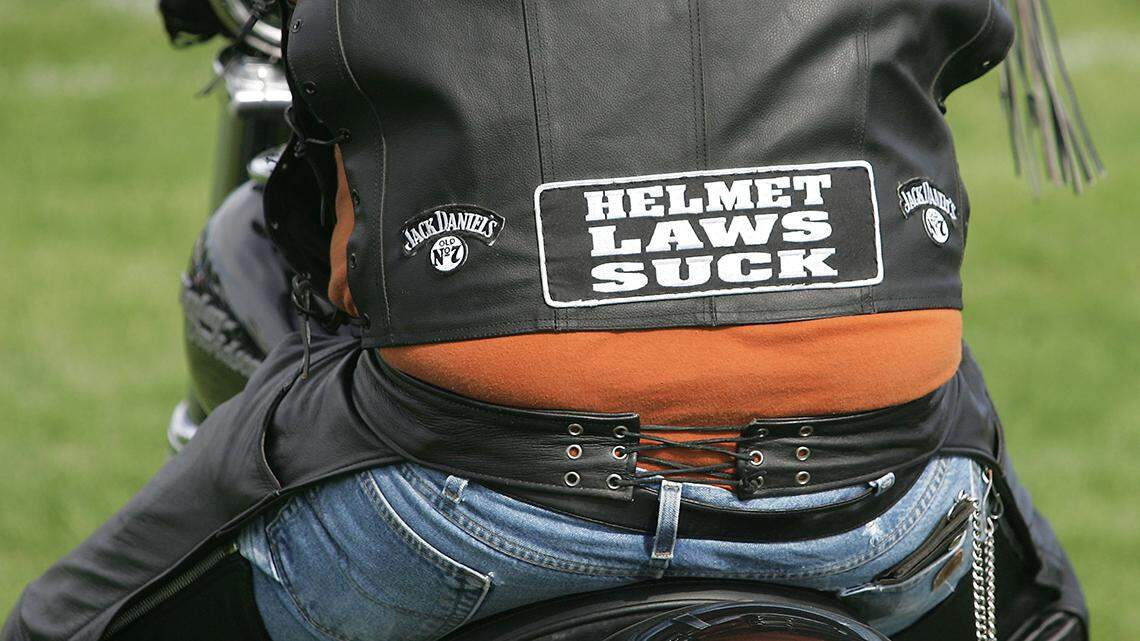
Credit: www.kansascity.com
Tips For Complying With Helmet Laws
Riding a motorcycle without a helmet is illegal in many places. Following helmet laws keeps you safe and avoids fines.
Learn how to check laws, wear helmets right, and keep them in good shape.
Checking Local Regulations
Helmet laws differ by state and country. Check your local rules before you ride. Some places require helmets for all riders. Others only for young riders.
- Visit government websites for the latest helmet laws.
- Ask local motorcycle shops about rules.
- Follow any age or helmet type restrictions.
- Know the penalties for breaking the law.
Proper Helmet Fit And Use
A helmet must fit well to protect you. It should feel snug but not tight. Use the straps to keep it secure on your head.
| Fit Tip | What to Check |
| Size | Measure your head and choose the correct size. |
| Position | Helmet should sit level on your head, not tilted back. |
| Strap | Buckle the strap firmly under your chin. |
| Movement | Helmet should not move when you shake your head. |
Maintaining Helmet Condition
Keep your helmet in good shape to ensure safety. Check it regularly for damage and clean it properly.
- Inspect for cracks or dents before every ride.
- Clean the helmet shell with mild soap and water.
- Replace the helmet if it has been in a crash.
- Store the helmet in a cool, dry place away from sunlight.
- Change worn or damaged padding as needed.
Frequently Asked Questions
Is It Illegal To Ride A Motorcycle Without A Helmet?
Yes, in most places, riding a motorcycle without a helmet is illegal. Laws vary by state or country. Helmets protect riders from serious head injuries and improve safety.
What Are The Penalties For Not Wearing A Helmet?
Penalties for not wearing a helmet include fines and possible points on your license. Some regions may also require safety courses or impose higher insurance rates.
Do Helmet Laws Apply To All Motorcycle Riders?
Helmet laws typically apply to all motorcycle riders and passengers. Some areas exempt adults over a certain age or those with specific insurance coverage, but most enforce universal helmet use.
Why Are Motorcycle Helmets Legally Required?
Helmets are legally required to reduce the risk of fatal head injuries. Studies show helmets significantly improve survival rates and reduce long-term brain damage in accidents.
Conclusion
Riding a motorcycle without a helmet can lead to legal trouble. Laws differ by state or country, so knowing local rules is key. Helmets protect your head in accidents and save lives. Wearing one shows you care about safety. It also helps avoid fines or penalties.
Think about your well-being every time you ride. Stay safe. Stay smart. Always wear a helmet.