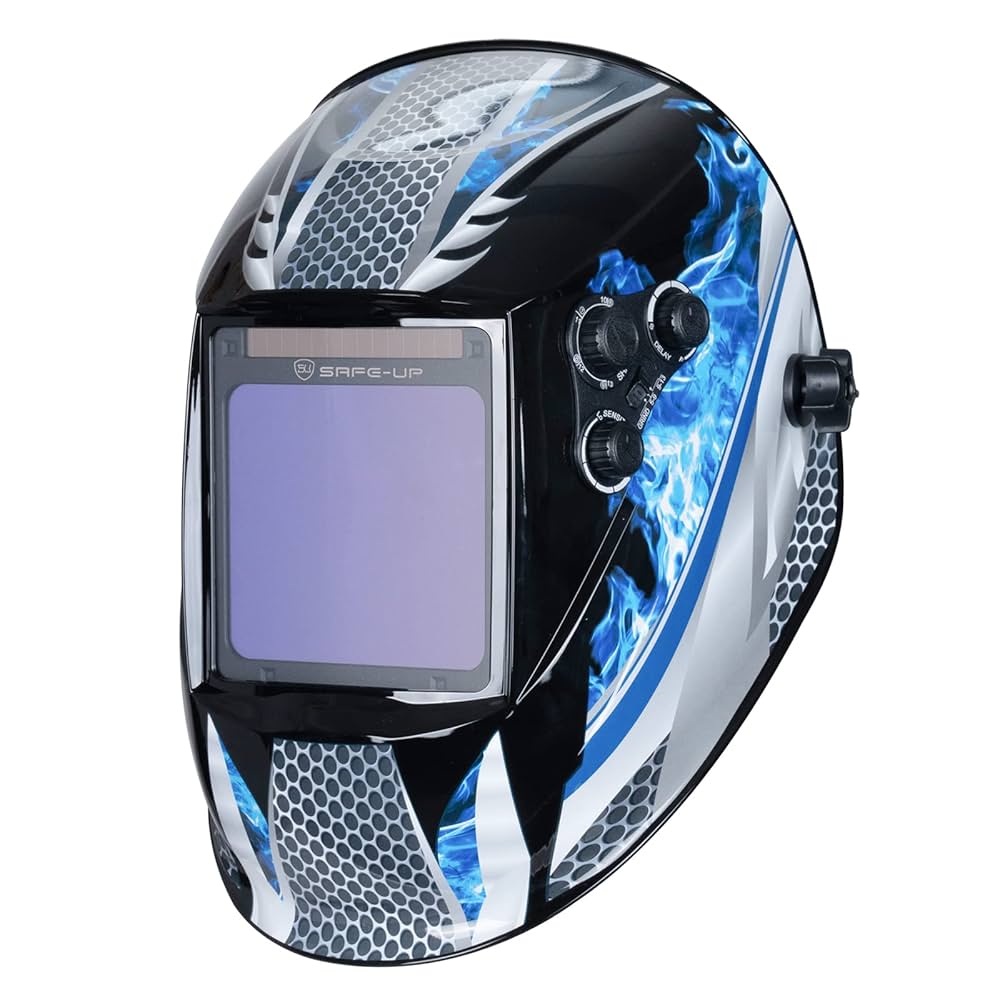
When you’re welding, protecting your eyes is not just important—it’s essential. You might have heard about auto darkening welding helmets and wondered, “Are these helmets truly safe for me?”
If you want to keep your eyes safe without constantly lifting your helmet, understanding how these helmets work and their safety features is key. You’ll discover everything you need to know to make the best choice for your safety and comfort.
Keep reading to find out if an auto darkening welding helmet is the right fit for you.
How Auto Darkening Helmets Work
Auto darkening welding helmets protect your eyes from bright light. They change lens shade automatically during welding. This helps you see clearly and stay safe.
The helmet uses smart technology to detect welding light. It darkens the lens fast to stop harmful rays from hurting your eyes.
Lens Technology
The lens in the helmet uses liquid crystal display (LCD) panels. These panels can change from light to dark quickly. The lens stays clear before and after welding.
The lens also blocks ultraviolet (UV) and infrared (IR) rays. This keeps your eyes safe even if the lens is not darkened yet.
Sensor Functionality
Sensors on the helmet detect the welding arc’s bright light. They send signals to the lens to darken instantly. Most helmets have multiple sensors for better detection.
Sensors work well in different welding positions. They help the lens react even if the light comes from an angle.
Switching Speed
The lens changes from light to dark in milliseconds. Fast switching protects your eyes from sudden bright light. It also helps you see the weld clearly right away.
- Typical switching speed is 1/25,000 to 1/3,600 seconds
- Faster speed means better eye protection
- Slow speed may cause eye strain or damage

Credit: www.amazon.ca
Safety Benefits Of Auto Darkening Helmets
Auto darkening welding helmets improve safety during welding tasks. They protect the welder’s eyes and face from harmful light and sparks.
These helmets adjust their shade automatically to reduce strain and increase comfort. This makes welding safer and easier to perform.
Eye Protection
Auto darkening helmets shield the eyes from bright light and UV rays. This prevents damage and reduces the risk of eye injuries.
- Blocks harmful ultraviolet (UV) and infrared (IR) rays
- Automatically darkens within milliseconds
- Prevents welder from looking away to adjust helmet
- Protects against sparks and debris
Reduced Neck Strain
These helmets weigh less than traditional models. They reduce neck strain by allowing welders to keep their heads in a natural position.
Welders do not need to lift or lower the helmet often. This reduces muscle fatigue and discomfort during long jobs.
Enhanced Visibility
The lens adjusts automatically to different light levels. This helps welders see clearly before, during, and after welding.
| Feature | Benefit |
|---|---|
| Clear View Mode | See workpiece clearly before welding starts |
| Auto Darkening Lens | Instant protection when arc is struck |
| Adjustable Shade Settings | Customize darkness for different welding types |
Potential Risks And Limitations
Auto darkening welding helmets offer convenience and protection. Yet, they have some risks and limits to consider.
Knowing these issues helps welders stay safe and use helmets correctly.
Sensor Malfunction
Sensors detect the welding arc and trigger darkening. If sensors fail, the lens may not darken in time.
- Blocked or dirty sensors can stop the helmet from darkening.
- Strong sunlight or reflections might confuse sensors.
- Damaged sensors reduce helmet effectiveness.
Battery Life Concerns
Auto darkening helmets need power to work. Batteries can run out unexpectedly during work.
| Battery Type | Average Life | Replacement Cost |
| Rechargeable | 500-1000 hours | Medium |
| Disposable | 200-400 hours | Low |
| Solar-assisted | 1000+ hours | High |
Delayed Darkening Issues
Sometimes the helmet does not darken instantly. This delay can expose eyes to bright light.
- Delay time varies by helmet model.
- Faster darkening means better protection.
- Helmets with slow response increase risk of eye strain.
Expert Recommendations For Safe Use
Auto darkening welding helmets protect your eyes from sparks and bright light. Using them safely helps avoid injuries.
Experts suggest steps to keep these helmets effective and safe during welding jobs.
Proper Helmet Fit
A helmet that fits well stays in place and protects your face fully. It should not be too loose or too tight.
Check the straps and adjust them for comfort. Make sure the helmet covers your eyes and forehead completely.
- Adjust the headband for a snug fit
- Ensure the helmet covers your face edges
- Wear the helmet before starting to weld
Regular Maintenance
Keep your helmet clean and working well. Dirt or damage can reduce protection and affect the auto darkening feature.
Inspect the lens and sensors often. Replace cracked or scratched parts immediately to keep clear vision.
- Clean the lens with a soft cloth
- Check sensors for dust or damage
- Replace batteries as needed
- Store the helmet in a safe, dry place
Choosing Quality Brands
Pick helmets from brands known for safety and reliability. Quality helmets meet safety standards and last longer.
Look for helmets with good reviews and certifications. This helps ensure your eyes get full protection.
- Check for ANSI or CE safety certifications
- Read user reviews on helmet performance
- Buy from trusted welding equipment suppliers
- Consider helmets with adjustable shade settings
Comparing Auto Darkening And Traditional Helmets
Welding helmets protect your eyes and face from sparks and bright light. Two common types are auto darkening and traditional helmets.
Understanding their differences helps you choose the right one for safety and comfort.
Protection Levels
Traditional helmets use a fixed dark lens to protect from bright light. You must flip the helmet down before welding.
Auto darkening helmets have a lens that changes shade automatically. The lens stays clear until you start welding, then it darkens fast.
- Traditional helmets offer constant protection but no lens adjustment.
- Auto darkening helmets adjust lens shade based on light intensity.
- Both helmets block harmful UV and infrared rays.
User Comfort
Traditional helmets can be heavy and block your view when flipped down. You must raise the helmet to see clearly.
Auto darkening helmets allow you to see through the clear lens before welding. This helps position your work better.
- Traditional helmets may cause neck strain after long use.
- Auto darkening helmets reduce head movement and improve workflow.
- Some auto darkening helmets have adjustable settings for comfort.
Cost Considerations
Traditional helmets usually cost less. They are simple and have no electronic parts.
Auto darkening helmets cost more because of their technology and features. Batteries or solar power may need replacement.
- Traditional helmets have low upfront cost.
- Auto darkening helmets have higher initial cost.
- Auto darkening helmets may save money by improving work speed.

Credit: www.amazon.ca
Standards And Certifications To Look For
Auto darkening welding helmets are important for safety. They protect your eyes and face from harmful light and debris. Knowing the right standards and certifications helps you choose a safe helmet.
Here are some key standards and certifications you should look for when selecting a welding helmet.
Ansi Ratings
ANSI stands for the American National Standards Institute. They set safety standards for many products. Look for helmets with ANSI Z87.1 ratings. This ensures the helmet meets impact resistance and optical clarity standards.
- Protects against high-velocity impacts
- Ensures clear vision with no distortion
- Provides UV and IR protection
Ce Marking
The CE marking is needed in Europe. It shows the helmet meets European safety standards. A helmet with this mark is tested for safety and performance. It is a sign of quality and reliability.
- Indicates compliance with EU regulations
- Assures the product is safe to use
- Often required for European markets
Iso Compliance
ISO stands for International Organization for Standardization. ISO standards ensure products are safe, reliable, and of good quality. For welding helmets, ISO compliance means the helmet meets global safety standards.
- Ensures consistent product quality
- Recognized worldwide
- Helps in choosing safe equipment
Credit: www.temu.com
Frequently Asked Questions
Are Auto Darkening Welding Helmets Safe For All Welders?
Yes, auto darkening welding helmets offer reliable eye protection. They quickly adjust shade levels to shield against harmful light and UV rays. This reduces eye strain and prevents injuries, making them safe for both amateur and professional welders.
How Do Auto Darkening Helmets Protect Your Eyes?
These helmets use sensors to detect welding arc brightness. They instantly darken the lens to block intense light and UV radiation. This fast response prevents eye damage like arc eye and ensures continuous clear vision during welding.
Can Auto Darkening Helmets Prevent Welding-related Injuries?
Auto darkening helmets significantly reduce risks of burns, flashes, and eye strain. By adjusting lens darkness instantly, they protect against harmful sparks and UV exposure. This makes them an essential safety tool to prevent common welding injuries.
What Features Ensure Safety In Auto Darkening Helmets?
Safety features include adjustable shade levels, UV/IR protection, and fast lens response time. Comfortable fit and durable materials also contribute to overall safety. These features work together to provide optimal eye and face protection during welding.
Conclusion
Auto darkening welding helmets offer strong eye protection during welding. They adjust quickly to bright sparks, reducing the risk of eye damage. These helmets also help welders work more comfortably and safely. Choosing a quality helmet with proper features is important.
Always follow safety rules and inspect your gear before use. Wearing the right helmet makes welding safer and easier. Safety first, every time you weld.