
You love your motorcycle, and keeping your helmet safe is just as important as protecting your ride. But how do you make sure your helmet stays secure when you’re away?
That’s where a helmet lock comes in. If you’ve ever worried about leaving your helmet unattended or struggled to find a safe spot, this simple tool can change the way you protect your gear. You’ll learn exactly how to use a helmet lock easily and effectively, so you can ride with peace of mind every time.
Keep reading to discover tips that will save your helmet—and your nerves.
Choosing The Right Helmet Lock
Keeping your motorcycle helmet safe is important. A helmet lock helps you secure it when you park your bike.
Picking the right helmet lock means thinking about its type, material, and if it fits your motorcycle.
Types Of Helmet Locks
Helmet locks come in different styles. Each style works differently to keep your helmet safe.
- Pin Locks: Use a pin that goes through the helmet’s strap.
- Cable Locks: Flexible cables that wrap around the helmet and motorcycle.
- Disc Locks: Attach to the bike’s brake disc and have a hook for the helmet.
- Clamp Locks: Clamp onto the frame or handlebars and hold the helmet.
Material And Durability
Helmet locks must be made of strong materials. This stops thieves from breaking them easily.
Look for locks made from steel or hardened metal. These last longer and resist cutting.
- Steel is strong and hard to cut.
- Hardened metal resists weather and damage.
- Plastic parts should be minimal to avoid breaking.
Compatibility With Motorcycle Models
Not all helmet locks fit every motorcycle. Check if the lock works with your bike’s design.
Some locks fit better on certain frames, handlebars, or brake discs. Check your bike’s parts before buying.
- Pin locks usually fit most helmets but need a place to attach.
- Cable locks work on many bikes but need space to wrap around.
- Disc locks fit bikes with visible brake discs.
- Clamp locks need a sturdy frame or bar to hold onto.
Credit: www.tw200forum.com
Installing Your Helmet Lock
Installing a helmet lock on your motorcycle adds security for your helmet. It keeps your helmet safe when you park your bike.
This guide shows you how to install a helmet lock easily and correctly. Follow the steps to avoid common mistakes.
Tools Needed For Installation
You will need some basic tools to install your helmet lock. Using the right tools makes the job easier and safer.
- Screwdriver (usually Phillips or flathead)
- Wrench or socket set
- Drill with drill bits (if drilling is required)
- Measuring tape or ruler
- Marker or pencil to mark spots
- Protective gloves for safety
Step-by-step Installation Process
Follow these steps to install your helmet lock securely on your motorcycle frame or designated spot.
- Choose a location on your motorcycle that is easy to reach and does not interfere with riding.
- Use the measuring tape to mark where the lock will attach.
- If needed, drill holes carefully at the marked points.
- Align the helmet lock with the holes or mounting spot.
- Use screws or bolts to fasten the helmet lock firmly.
- Tighten all fasteners with the wrench or screwdriver to prevent loosening.
- Check the lock operation by locking and unlocking it once installed.
Common Installation Mistakes To Avoid
Avoid these common errors to ensure your helmet lock works well and stays secure.
- Do not install the lock where it blocks controls or riding comfort.
- Do not overtighten screws to avoid damaging the lock or motorcycle parts.
- Do not skip using the right drill bit size for holes.
- Do not forget to test the lock before finishing the installation.
- Do not install the lock on weak or thin parts of the frame.
- Do not ignore the manufacturer’s instructions for your specific lock model.
Using The Helmet Lock Effectively
Using a helmet lock keeps your helmet safe while parked. It prevents theft and damage. Knowing how to use it well saves time and effort.
This guide explains how to secure your helmet, lock it tightly, and access it quickly when needed.
Securing Your Helmet Properly
Place your helmet in a position where the lock can attach easily. Use the helmet’s chin strap to loop through the lock. Make sure the strap is not twisted or caught on anything.
- Open the helmet lock fully before attaching
- Thread the lock through the helmet’s chin strap
- Secure the helmet to a solid part of your motorcycle
- Check that the helmet hangs freely and does not touch the ground
Locking Techniques For Maximum Security
Use the right locking method to stop thieves from stealing your helmet. Tighten the lock so it does not move. Avoid loose locking that allows easy removal.
| Technique | Description |
| Double Locking | Engage the lock twice for extra hold |
| Lock Near Frame | Attach lock to the motorcycle frame, not just handlebars |
| Use Key Lock | Prefer key locks over combination for better security |
| Check Lock Tightness | Ensure no slack in the lock cable or chain |
Tips For Quick Access And Removal
Save time when you want to use your helmet. Keep the lock key in a safe, easy-to-reach place. Avoid fumbling with the lock in poor light or bad weather.
- Attach a small key holder near the ignition or on your keychain
- Practice unlocking your helmet lock before rides
- Keep the lock clean to prevent jamming
- Use a lock with a smooth mechanism for fast release
Maintaining Your Helmet Lock
Keeping your helmet lock in good shape helps protect your helmet. Regular care makes the lock last longer. It also keeps it working smoothly.
Simple steps like cleaning and checking your lock can prevent problems. Knowing when to replace it keeps your helmet safe.
Cleaning And Lubrication
Clean the lock often to remove dirt and dust. Use a soft cloth and mild soap with water. Avoid harsh chemicals that can damage the lock.
Lubricate the lock to keep it moving smoothly. Use a small amount of silicone or graphite lubricant. Avoid oil-based products because they attract dirt.
- Wipe the lock with a dry cloth before cleaning
- Apply lubricant to the keyhole and moving parts
- Operate the lock several times after lubrication
Checking For Wear And Tear
Look at the lock regularly for signs of damage. Check for rust, cracks, or bent parts. Test the key or combination to ensure it works smoothly.
If you find any problems, fix them quickly. Small issues can grow and stop the lock from working. Keep your helmet safe by staying alert.
- Inspect the lock body for rust or corrosion
- Check the shackle for bending or cracks
- Test the locking mechanism for smooth action
- Make sure the key turns without resistance
When To Replace Your Lock
Replace your helmet lock if it shows serious damage. If it sticks or does not lock properly, do not keep using it. A broken lock cannot protect your helmet.
Also, change the lock if you lose the key or forget the code. Using a lock you cannot open may cause more problems.
- Replace if the lock rusts heavily
- Change if the lock jams often
- Get a new lock if the key is lost
- Replace if the lock does not secure your helmet
Enhancing Helmet Security
Keeping your motorcycle helmet safe is important. A helmet lock helps protect your helmet from theft. It adds an extra layer of security when you park your bike.
Using a helmet lock is simple and effective. It stops thieves from quickly grabbing your helmet and running away. Let’s explore how to improve helmet security further.
Combining With Other Security Devices
Helmet locks work best with other security tools. Using more devices makes your helmet harder to steal. This can stop thieves from trying.
Common tools to use with a helmet lock include bike locks and alarms. These add layers of protection. Each device covers a different security need.
- Use a strong cable or chain lock for your bike
- Attach an alarm to alert you of movement
- Secure your helmet with a helmet lock
- Park in well-lit, busy areas for safety
Using Smart Helmet Locks
Smart helmet locks use technology to keep helmets safe. They can connect to your phone or use a code. This makes them harder to open without permission.
Some smart locks send alerts if someone tries to steal your helmet. Others use fingerprint sensors for quick access. These locks add convenience and security.
- Bluetooth locks that connect to smartphones
- Fingerprint locks for easy unlocking
- Locks with alarms for instant alerts
- Remote control locks for quick use
Best Practices For Helmet Safety
Using a helmet lock is just one step. Follow these tips to keep your helmet safe and in good condition. Good habits protect your gear longer.
Check your helmet lock often. Make sure it works well and fits securely. Always lock your helmet to a solid part of your motorcycle.
- Lock your helmet every time you leave your bike
- Inspect the lock for damage or wear regularly
- Choose a secure spot on your bike to attach the lock
- Store your helmet indoors if possible
Troubleshooting Common Issues
Helmet locks on motorcycles can sometimes present challenges. Knowing how to fix common issues ensures your helmet stays secure.
Let’s explore solutions for jammed locks, lost keys, and emergency unlocking methods.
Fixing Jammed Locks
A jammed lock can be frustrating. It often happens due to dirt or rust in the lock mechanism.
- Apply a lubricant like WD-40 to the lock.
- Insert the key and gently wiggle it to loosen the jam.
- Use a soft brush to clean any visible dirt.
Dealing With Lost Keys
Misplacing keys is common. It can be solved by having a spare key or knowing where to get a replacement.
Emergency Unlocking Methods
In emergencies, quick unlocking methods are crucial. They save time and stress.
| Method | Tools Needed |
| Lock Picking | Pick set |
| Cutting the Lock | Bolt cutters |
| Professional Help | Contact a locksmith |
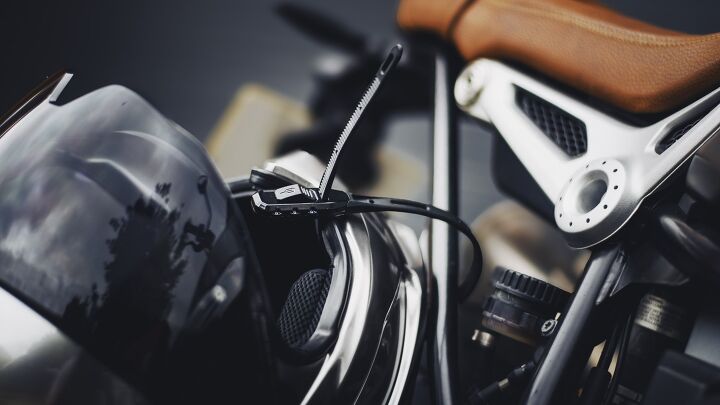
Credit: www.motorcycle.com
Frequently Asked Questions
How Do I Install A Helmet Lock On My Motorcycle?
To install a helmet lock, locate a secure mounting point on your bike. Use the lock’s mounting hardware. Follow the manufacturer’s instructions carefully for a safe, sturdy fit. Proper installation ensures your helmet is secure while parked.
Can Helmet Locks Fit All Types Of Motorcycle Helmets?
Most helmet locks are designed to fit standard helmets with D-rings or straps. However, some locks may not suit helmets with unique shapes. Always check compatibility before purchase. This ensures your helmet stays safe and the lock functions correctly.
Is It Safe To Leave My Helmet On The Motorcycle Lock?
Yes, using a helmet lock is generally safe. It prevents theft by securing your helmet to the bike. Always choose a high-quality lock for better security. Avoid leaving your helmet unattended for long periods in unsafe areas.
How Do I Use A Helmet Lock Properly?
Thread your helmet’s strap or D-ring through the lock’s shackle. Close and secure the lock tightly. Double-check it’s locked before leaving. Proper use prevents theft and keeps your helmet safe when parked.
Conclusion
Using a helmet lock keeps your helmet safe and secure. It stops theft and saves space on your bike. Always attach the lock to a strong part of your motorcycle. Choose a lock that fits your helmet well. Practice locking and unlocking to avoid troubles later.
Small steps like these protect your gear every ride. Enjoy peace of mind wherever you park your bike. Safety matters, and a helmet lock helps with that. Simple, smart, and effective – a good habit for all riders.