
Are your tires feeling a little flat? Keeping your car’s tires properly inflated is one of the easiest ways to improve safety, save fuel, and extend tire life.
But checking and inflating tires can sometimes feel like a hassle. That’s where an auto air tire inflator comes in. Imagine quickly pumping up your tires anytime, anywhere, without a trip to the gas station. In this guide, you’ll learn exactly how to use an auto air tire inflator step-by-step, so you can keep your tires in perfect shape with zero stress.
Ready to take control of your tire pressure and drive with confidence? Let’s dive in!
Choosing The Right Inflator
Choosing the right auto air tire inflator helps you keep your tires at the best pressure. A good inflator saves time and effort.
There are many types with different features. Knowing what to look for makes your choice easier.
Types Of Auto Air Tire Inflators
There are several types of tire inflators. Each type fits different needs and uses.
- Portable Inflators:Small and easy to carry. Good for quick fixes.
- Corded Inflators:Plug into a power source. Provide constant power.
- Wireless/Battery Inflators:Run on batteries. Good for use anywhere.
- Heavy-Duty Inflators:Designed for trucks and large tires. More powerful.
Key Features To Consider
Look for key features that make inflating easier and safer. These help you get the best results.
- Pressure Range:Check the maximum and minimum PSI it can handle.
- Auto Shut-Off:Stops inflating when the right pressure is reached.
- Display Screen:Shows tire pressure clearly.
- Size and Weight:Smaller and lighter models are easier to use.
- Noise Level:Some models work quieter than others.
- Durability:Look for strong materials for long use.
Battery Vs. Corded Models
Battery models offer freedom to move without wires. They are good for emergencies and outdoor use.
Corded models need a power outlet but give steady power. They work well in garages and at home.
- Battery Models:Portable, limited by battery life, easy to store.
- Corded Models:Unlimited power, heavier, need access to electricity.
Preparing For Inflation
Using an auto air tire inflator is simple, but preparation is key. Proper steps help you inflate tires safely and correctly.
Before starting, gather information and tools. Follow safety rules to avoid accidents or damage.
Checking Tire Pressure Requirements
Find the right tire pressure for your vehicle before inflation. This ensures safe driving and good tire life.
Check the tire sidewall or vehicle manual for pressure info. Use the recommended pressure, not the maximum pressure.
- Look on the tire sidewall for pressure limits
- Check the driver’s door jamb sticker
- Refer to the vehicle owner’s manual
- Use pressure in PSI or kPa as shown
Gathering Necessary Tools
Prepare the tools needed for inflation. Having everything ready makes the process smooth and quick.
Besides the auto air tire inflator, keep a tire pressure gauge and a power source nearby.
- Auto air tire inflator device
- Tire pressure gauge for double-checking
- Power source (car battery, outlet, or portable charger)
- Valve caps removed from tires
- Flashlight for low light conditions
Safety Precautions
Follow safety rules to avoid injury or damage. Take your time and be careful during inflation.
Keep the inflator away from water and heat. Do not overinflate tires, and watch for any leaks.
- Work in a well-ventilated, flat area
- Wear safety glasses and gloves if possible
- Avoid inflating hot tires right after driving
- Do not exceed recommended tire pressure
- Turn off the inflator before disconnecting
Connecting The Inflator
Connecting the auto air tire inflator correctly helps you inflate tires safely. Follow these steps to attach the inflator to your tire.
Make sure you have the tire and inflator ready before starting. A proper connection ensures accurate pressure readings and efficient inflation.
Locating The Valve Stem
The valve stem is the small protruding nozzle on your tire. It is usually covered by a cap that keeps dirt out. Remove this cap before attaching the inflator.
Attaching The Inflator Nozzle
- Hold the inflator nozzle firmly.
- Place it over the valve stem straight and tight.
- Press down or twist as needed to lock it in place.
- Check that air can flow freely into the tire.
Ensuring A Secure Fit
| Check Point | What to Look For |
|---|---|
| Connection Tightness | No air leaks or hissing sounds |
| Nozzle Position | Aligned straight on valve stem |
| Valve Cap | Set aside safely for later |
Confirm the nozzle is secure before turning on the inflator. This prevents air loss and gives an accurate reading.

Credit: www.amazon.ca
Operating The Inflator
Using an auto air tire inflator is easy if you follow simple steps. This guide will help you operate the inflator correctly.
Make sure to check the tire and inflator before starting. Proper use ensures safe and accurate inflation.
Setting The Desired Pressure
Set the tire pressure based on the tire’s recommended PSI. This number is usually on the tire sidewall or vehicle door.
- Turn on the inflator.
- Use the control buttons to select the pressure unit (PSI, BAR, or KPA).
- Enter the desired pressure value using the buttons or dial.
- Confirm the setting before connecting to the tire.
Starting The Inflation Process
Attach the inflator nozzle firmly to the tire valve. Make sure it is sealed well to avoid air leaks.
Press the start button to begin inflating. The inflator will pump air automatically to reach the set pressure.
Monitoring Pressure Levels
| Action | Description | Tip |
| Watch the display | The screen shows current tire pressure as inflation progresses. | Stay close to stop if pressure exceeds the limit. |
| Automatic stop | The inflator stops when the desired pressure is reached. | Check pressure with a manual gauge for accuracy. |
| Detach carefully | Remove the nozzle gently to avoid air loss. | Close the tire valve cap after inflation. |
Finishing Up
After inflating your tires with the auto air tire inflator, you need to finish the process carefully. This ensures safety and keeps the inflator ready for next use.
Follow these final steps to disconnect, check, and store your inflator properly.
Disconnecting The Inflator
First, turn off the inflator and remove the power source. Then, gently detach the hose from the tire valve. Avoid pulling the hose forcefully to prevent damage.
- Turn off the inflator device.
- Unplug or disconnect the power supply.
- Unscrew or release the hose from the tire valve.
- Check the hose and valve for any leaks or damage.
Checking Final Tire Pressure
Use a tire pressure gauge to confirm the tire pressure is correct. This step helps you avoid over or under-inflation.
| Pressure Status | What to Do |
| Too Low | Inflate more until correct pressure |
| Too High | Release some air carefully |
| Correct | Ready to drive safely |
Storing The Inflator Properly
Keep your inflator in a clean, dry place. Proper storage extends the life of the device and keeps it ready for the next use.
- Coil the hose neatly without kinks.
- Store the inflator in its original case or a protective bag.
- Keep away from moisture and direct sunlight.
- Check the power cord for any wear before storing.

Credit: www.youtube.com
Troubleshooting Tips
Using an auto air tire inflator can be easy. Sometimes, issues may arise during use. This guide will help solve common problems.
Read on to learn how to fix issues. Know when to ask for professional help too.
Common Issues And Fixes
Problems with auto air tire inflators are common. Here are fixes for frequent issues.
- Inflator does not turn on: Check the power source. Ensure the plug is secure.
- Low pressure: Inspect the hose for leaks. Tighten connections.
- Inaccurate readings: Calibrate the gauge. Follow the manual instructions.
When To Seek Professional Help
Some problems need expert attention. Do not attempt to fix these yourself.
If the inflator makes strange noises, this might be an internal issue. Seek a professional for repair.
| Issue | Solution |
| Broken power cord | Contact manufacturer |
| Faulty pressure gauge | Professional calibration |
| Persistent leaks | Professional inspection |
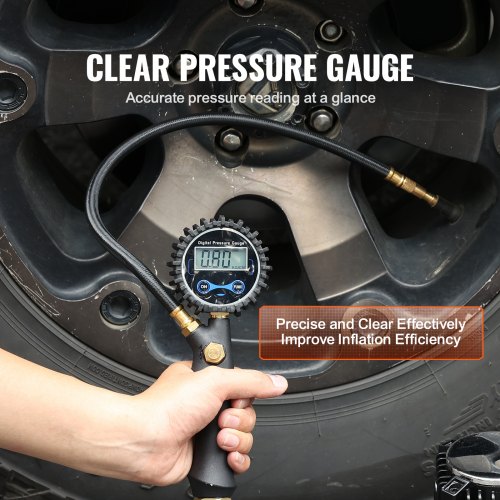
Credit: www.vevor.ca
Frequently Asked Questions
How Do I Use An Auto Air Tire Inflator?
Connect the inflator to your tire valve. Set the desired pressure. Turn on the inflator and wait until it stops automatically. Disconnect and check the tire pressure with a gauge to ensure accuracy.
What Is The Ideal Tire Pressure For My Car?
Check your car’s manual or the sticker inside the driver’s door. Ideal pressure usually ranges between 30-35 PSI. Proper inflation improves fuel efficiency, safety, and tire longevity.
Can I Use An Auto Air Tire Inflator On All Tires?
Most auto air tire inflators work on cars, bikes, and SUVs. Check your inflator’s specifications for compatibility with larger tires like trucks. Avoid using it on very large or specialized tires unless specified.
How Often Should I Check Tire Pressure With An Inflator?
Check your tire pressure at least once a month and before long trips. Regular checks help maintain proper inflation and prevent tire damage or accidents.
Conclusion
Using an auto air tire inflator makes tire care easy and fast. It helps keep tires at the right pressure. Proper tire pressure improves safety and saves fuel. Just connect, set the desired pressure, and start inflating. The device stops automatically when done.
Regularly check your tires with this tool. It saves time and effort on the road. Stay safe and keep your tires healthy with a simple inflator. Easy to use and helpful every day.