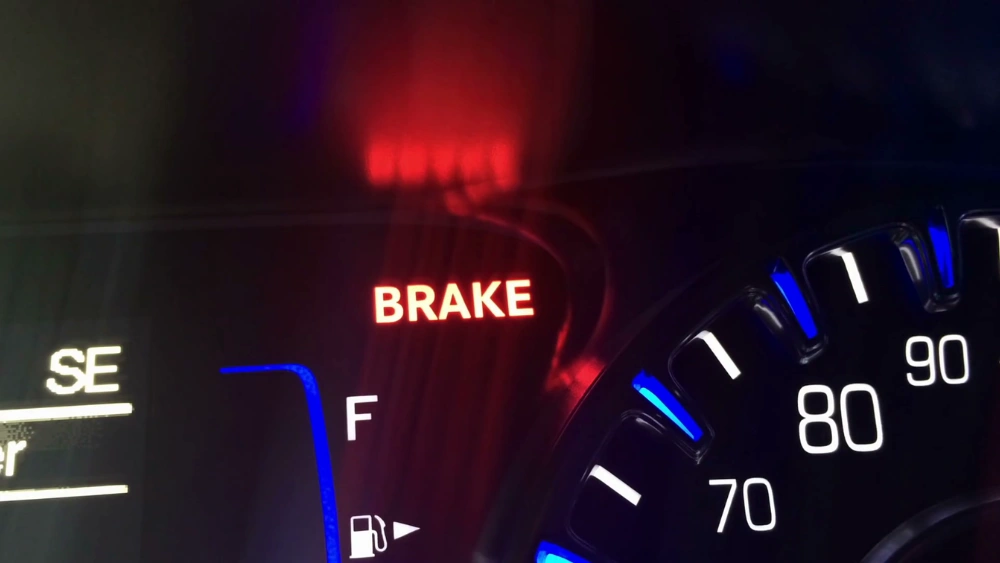
Have you ever been frustrated when your car’s auto park brake kicks in at the wrong moment? It can be annoying, especially when you just want to move quickly or save time.
Knowing how to turn off the auto park brake gives you more control over your driving experience. You’ll discover simple steps to easily disable this feature and regain full control of your vehicle. Keep reading—you’re about to make your drives smoother and stress-free.
Auto Park Brake Basics
The auto park brake helps keep your vehicle still when parked. It works automatically without needing you to press a pedal or lever.
This feature adds safety by preventing the car from rolling away on slopes or uneven ground.
What Auto Park Brake Does
The auto park brake activates when you put your car in park. It holds the brakes tight to stop the wheels from moving.
- Engages the parking brake automatically when the car stops.
- Keeps the vehicle steady on hills or flat areas.
- Releases the brake when you start driving again.
- Reduces the chance of vehicle rollaway accidents.
Common Reasons To Disable It
Some drivers choose to turn off the auto park brake for several reasons. It can affect how the vehicle moves in certain situations.
| Reason | Explanation |
| Towing | Disabling prevents the brake from activating during towing. |
| Vehicle Maintenance | Allows easier wheel or brake service without brake engagement. |
| Driving in Snow | Prevents brake from engaging and causing traction issues. |
| Personal Preference | Some drivers prefer manual control over the parking brake. |
Credit: ownersmanual.kia.com
Safety Considerations
The auto park brake helps keep your vehicle still when parked. Turning it off can affect safety. It is important to understand the risks before making changes.
Always think about safety first. The park brake stops your car from rolling. Disabling it can cause accidents or damage.
Risks Of Turning Off Auto Park Brake
Turning off the auto park brake can lead to your car moving unintentionally. This can cause crashes or injuries. It also puts strain on other parts like the transmission.
- Your vehicle may roll on slopes or hills.
- Parked cars can block traffic or hit objects.
- Manual brakes may wear out faster without the auto park brake.
- Accidents can happen when leaving the car unattended.
When To Keep It Enabled
Keep the auto park brake on whenever you park your car. It is especially important on hills or uneven surfaces. This helps prevent accidents and keeps your vehicle safe.
Use the auto park brake every time you stop for a long time. It reduces the risk of your car moving by itself. This simple step protects you and others.
- When parking on slopes or hills
- When leaving the vehicle unattended
- During long stops or overnight parking
- In any situation where the car must stay still
Locating Auto Park Brake Controls
The auto park brake helps keep your vehicle still when parked. Knowing where to find its controls makes it easier to turn off when needed. This guide shows you common places to find these controls.
Look for dashboard signals and physical switches. These parts help you identify and manage the auto park brake system safely.
Dashboard Indicators
Dashboard indicators show the status of the auto park brake. They help you know if the brake is active or off. Look for these lights on your dashboard:
- Brake warning light (usually a “P” in a circle or an exclamation mark)
- Red or amber color signals
- Symbols that blink or stay solid when the brake is on
These indicators are often near the speedometer or fuel gauge. They are easy to see while you drive or park.
Physical Brake Switches
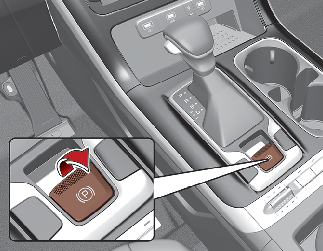
The physical switch or button controls the auto park brake directly. You can find it in these common places:
| Location | Description |
| Center console | Usually a button or lever near the gear shift |
| Dashboard panel | Sometimes a small switch with a brake symbol |
| Foot pedal area | A pedal that you press to engage or release the brake |
Check your vehicle’s manual if you have trouble finding the switch. Each car model may have a different setup.

Credit: ownersmanual.kia.com
Steps To Disable Auto Park Brake
The auto park brake helps keep your car safe when parked. Sometimes, you may want to turn it off. This guide shows you how to disable the auto park brake.
Follow the simple steps below to turn off the auto park brake using manual controls or your vehicle’s settings menu.
Manual Deactivation Process
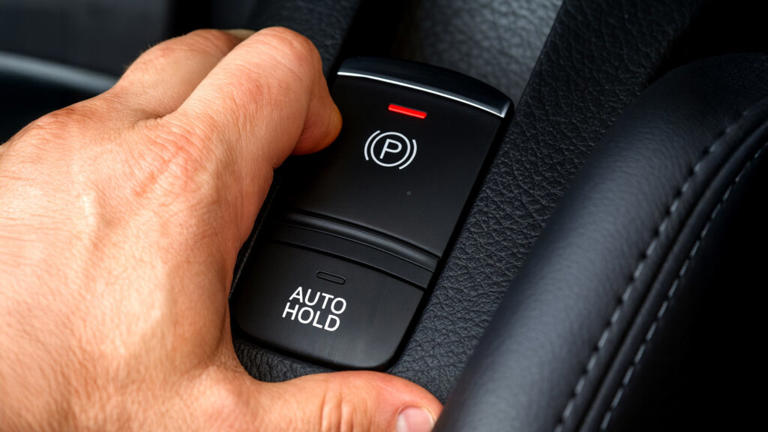
You can turn off the auto park brake using the brake controls. This works if your car has a manual switch or button.
Here is how to do it:
- Press the brake pedal firmly.
- Locate the auto park brake switch or button.
- Hold the switch down until the brake releases.
- Check the dashboard to confirm the brake is off.
Using Vehicle Settings Menu
Many modern cars allow you to disable the auto park brake through the settings menu. You can access this on the infotainment screen.
Follow these steps to disable it:
- Turn on your car and open the main menu on the screen.
- Find the “Vehicle Settings” or “Parking Brake” option.
- Select the auto park brake setting.
- Choose “Disable” or “Off” for the auto park brake.
- Save your changes and exit the menu.
Troubleshooting Issues
Auto park brakes help keep your car safe when parked. Sometimes, they may not turn off properly. This guide helps you fix common problems with auto park brakes.
Understanding why the brake won’t release or warning lights stay on can save time and money. Follow simple checks to find the cause and fix it.
Brake Won’t Turn Off
If your auto park brake stays on, check the following common causes. These simple steps can often solve the problem without a mechanic.
Make sure the ignition is on and your foot is on the brake pedal.
Check if the brake switch is working properly. A faulty switch can stop the brake from releasing.
Look for any dirt or debris around the brake button or lever. Clean it carefully.
Inspect the brake cables for damage or tightness. Adjust or replace if needed.
Reset the system by turning the car off and on again.
Warning Lights Persist
Warning lights on your dashboard can stay on even if the brake is off. This signals a possible issue with the brake system.
| Warning Light | Possible Cause | Action |
| Brake System Light | Low brake fluid or sensor error | Check fluid level, refill or replace sensor |
| ABS Light | Faulty ABS module or sensor | Scan for error codes, repair or replace parts |
| Parking Brake Light | Brake not fully released or switch problem | Inspect brake release, test switch |
When To Seek Professional Help
Turning off the auto park brake can be tricky. It’s important to know when to consult a professional.
If you encounter any issues, it might be best to get expert assistance. This ensures your car remains safe and functional.
Complex Brake Systems
Modern cars have advanced braking systems. They can be difficult for a non-expert to handle.
Complex systems often require special tools and knowledge.
- Integrated electronic controls
- Multiple sensors
- Advanced calibration settings
Potential Repairs
Some brake issues may need repairs that are beyond simple fixes. Knowing what to expect can help.
| Issue | Possible Repair |
| Sensor malfunction | Replace sensor |
| Hydraulic failure | Repair or replace lines |
| Electrical fault | Check wiring and connections |
Always consider seeking professional help for complicated repairs. This can save you time and ensure safety.
Credit: www.msn.com
Frequently Asked Questions
How Do I Disable The Auto Park Brake Feature?
To disable the auto park brake, access your vehicle’s settings menu. Find the brake or parking section, then switch off the auto park brake option. Refer to your vehicle manual for exact instructions as steps vary by model and make.
Can Turning Off Auto Park Brake Affect Safety?
Yes, disabling the auto park brake can reduce safety. This feature prevents your vehicle from rolling unintentionally. Turn it off only if you fully understand the risks and take extra care when parking on slopes or uneven surfaces.
Will Turning Off Auto Park Brake Save Battery?
Turning off the auto park brake may slightly reduce battery use. However, the impact is minimal. The system mainly uses power when engaging or releasing the brake. Battery savings are not a primary reason to disable this feature.
Is It Legal To Turn Off Auto Park Brake?
Legality depends on your region and vehicle regulations. Some areas require safety features like auto park brake to remain active. Check local laws before disabling the system to avoid fines or insurance issues.
Conclusion
Turning off the auto park brake is simple and quick. Follow your car’s instructions carefully. Remember to stay safe and check your surroundings. This helps avoid any accidents or damage. Practice a few times to feel confident. Knowing this skill makes driving easier.
Keep your vehicle in good shape by using brakes properly. Drive with care and enjoy smooth rides every time.