
Your safety on a motorcycle starts the moment you put on your helmet. But do you really know how to tie your motorcycle helmet correctly?
Getting this right is not just about comfort—it can be the difference between life and injury. You’ll learn simple, step-by-step instructions to secure your helmet properly every time. Keep reading to ensure you’re protecting yourself the way you deserve.
Credit: www.riderzplanet.com
Choosing The Right Helmet
Picking the right motorcycle helmet is important for safety and comfort. A good helmet protects your head and fits well.
This guide explains helmet types and how to find the proper size and fit for your head.
Helmet Types
There are several types of helmets. Each one offers different protection and comfort levels.
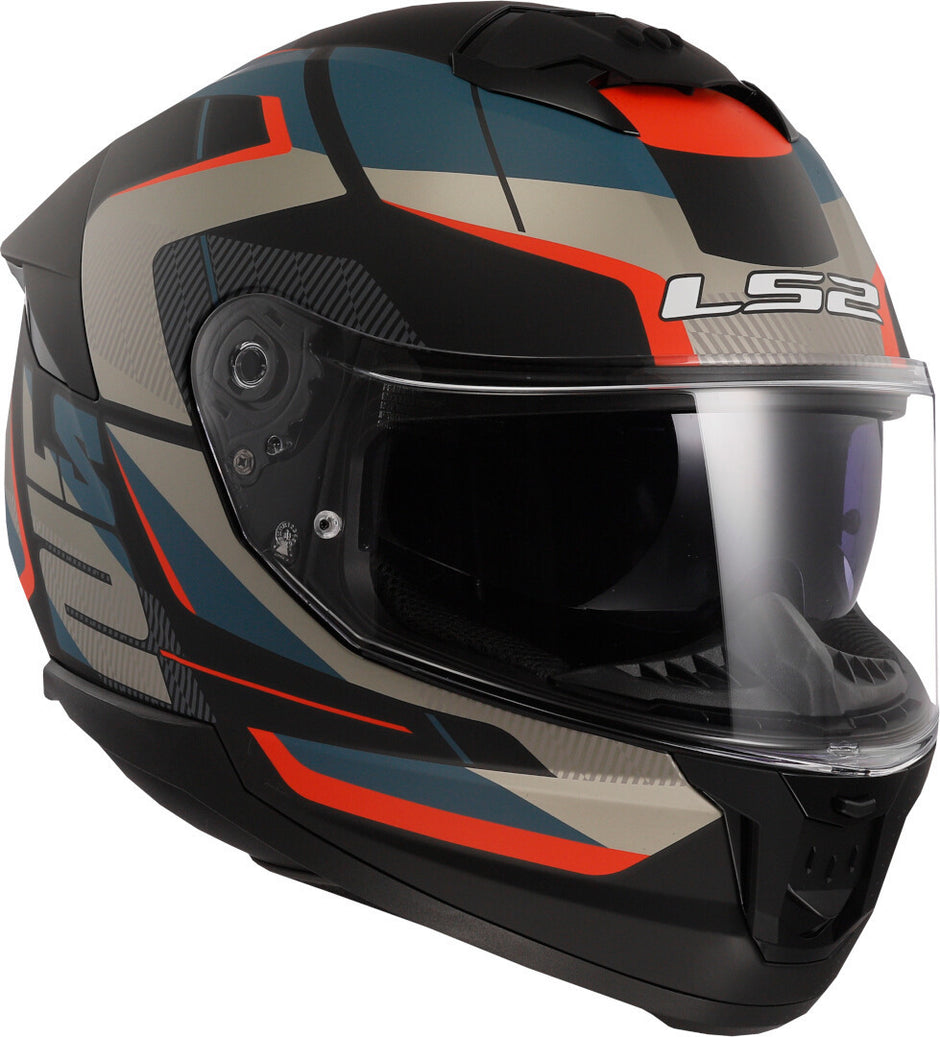
- Full Face:Covers the entire head and face. Offers the best protection.
- Modular:Has a chin bar that flips up. Combines full face and open face features.
- Open Face:Covers the top and sides but leaves the face open. Good for city riding.
- Half Helmet:Covers only the top of the head. Offers minimal protection but is lightweight.
Proper Size And Fit
The helmet must fit your head snugly without causing pressure points. A loose helmet can be dangerous.
| Fit Area | What to Check |
| Forehead | Helmet should sit evenly without gaps. |
| Cheeks | Padding should touch your cheeks firmly but not painfully. |
| Chin Strap | Should fasten securely and hold the helmet in place. |
| Overall Feel | Helmet should not move when you shake your head. |
Preparing The Helmet Strap
Before tying your motorcycle helmet strap, it is important to prepare it properly. This helps ensure a secure and comfortable fit during your ride.
Two key steps in preparing the strap are finding the right straps and checking them for damage. These steps will help keep you safe.
Locating The Straps
Helmet straps are usually found on both sides of the helmet, hanging below the ear area. They are often made of strong webbing material.
- Look under the helmet near the chin area.
- Identify the two straps that come down from each side.
- One strap usually has a buckle or clasp for fastening.
- The other strap may have holes or a loop for adjustment.
Checking For Damage
Before using the helmet straps, check them closely for any signs of damage. Damaged straps can fail and cause unsafe situations.
| Damage Type | What to Look For | Action Needed |
| Fraying | Loose threads or worn edges | Replace strap immediately |
| Cracks in Buckle | Visible cracks or breaks in plastic | Do not use helmet until fixed |
| Loose Stitching | Stitches coming undone | Have strap repaired or replaced |
| Stretching | Strap appears stretched or thin | Test tightness; replace if weak |
Securing The Strap
Securing your motorcycle helmet strap keeps the helmet in place. It helps protect your head in case of a fall.
Learn how to position the helmet and fasten the chin strap safely and comfortably.
Positioning The Helmet
Place the helmet straight on your head. It should cover your forehead without tilting back or forward.
- Make sure the helmet fits snugly but not too tight.
- Check that the helmet does not move when you shake your head.
- Align the helmet’s front edge just above your eyebrows.
Fastening The Chin Strap
Secure the chin strap under your chin to hold the helmet firmly. It should be tight enough to keep the helmet stable but comfortable.
| Chin Strap Check | What to Do |
| Fit | Adjust strap to fit snugly under chin |
| Fastening | Use buckle or D-ring to lock strap securely |
| Comfort | Ensure strap is not too tight or causing discomfort |
| Movement | Helmet should not shift when you move your head |
Adjusting For Comfort
Tying a motorcycle helmet properly is key to comfort and safety. You need to adjust the straps and fit so the helmet feels right.
Comfort helps you focus on the road. It stops the helmet from moving or pressing too hard.
Tightening The Straps
Start by buckling the chin strap under your chin. Pull the straps to remove any slack. The strap should feel firm but not painful.
Make sure the straps lie flat and are not twisted. Twisted straps can cause discomfort or reduce safety.
- Buckle the strap firmly under your chin
- Pull straps evenly to tighten
- Keep straps flat and untwisted
- Check that you can open your mouth comfortably
Ensuring A Snug Fit
Place the helmet on your head and adjust it to sit level. The helmet should not tilt forward or backward.
A snug fit means the helmet does not move when you shake your head. It should feel secure but not squeeze your head.
- Check the helmet sits flat on your head
- Shake your head gently to test movement
- Adjust padding if the helmet feels loose
- Make sure no pressure points cause pain
Double-checking The Fit
Wearing a motorcycle helmet that fits right is very important for safety. After putting it on, you need to double-check the fit. This helps make sure the helmet will protect you well.
Two simple checks can help you confirm the helmet fits correctly. These are the shake test and checking the strap security.
Performing The Shake Test
The shake test shows if your helmet fits snugly on your head. Follow these easy steps:
- Put on your helmet and fasten the strap.
- Try to move the helmet side to side and up and down.
- The helmet should move very little and feel tight.
- If it slides too much, it is too loose and unsafe.
- A good fit feels secure but not painful anywhere.
Checking Strap Security
The helmet strap keeps the helmet on your head during a ride or crash. You must check if the strap is fastened and tight enough.
| Check | How to Do It | What to Feel |
|---|---|---|
| Strap Fastened | Click the buckle until you hear a snap. | Strap stays closed without slipping open. |
| Strap Tightness | Pull the strap end to tighten it under your chin. | Strap feels snug but does not choke you. |
| Strap Position | Place the strap flat, not twisted under your jaw. | Strap rests comfortably on your skin without pinching. |

Credit: www.reddit.com
Common Mistakes To Avoid
Wearing a motorcycle helmet properly is crucial for safety. Many riders make simple mistakes when securing their helmets.
Avoid these common errors to ensure your helmet fits well and protects you.
Overtightening
Overtightening the helmet straps can cause discomfort. It may lead to headaches and restrict blood flow.
Make sure the straps are snug but not too tight. You should be able to fit two fingers between your chin and the strap.
- Check for pressure points
- Avoid pulling straps too hard
- Adjust for comfort
Loose Straps
Loose straps mean your helmet can shift during a ride. This reduces protection in case of an accident.
Ensure the straps are tight enough to keep the helmet in place. A helmet that moves is not safe.
- Check strap tension before each ride
- Adjust until the helmet is secure
- Test by shaking your head gently
Incorrect Strap Position
The strap position affects how well the helmet stays on. Straps should sit under your chin, not on your throat.
Adjust the straps so they form a V shape under your ears. This ensures a stable and comfortable fit.
- Position straps below the jawline
- Avoid twisting the straps
- Keep the V shape balanced
Maintenance Tips
Keeping your motorcycle helmet in top condition is essential. Regular maintenance ensures safety and comfort during rides.
Proper care of your helmet, including cleaning and replacing parts, extends its life. It also ensures your helmet remains safe to use.
Cleaning The Straps
Helmet straps can get dirty over time. Cleaning them regularly helps maintain their strength and functionality.
Use mild soap and water to clean the straps. Gently scrub with a soft cloth and let them air dry completely.
- Remove the straps from the helmet if possible.
- Soak them in soapy water for 15 minutes.
- Rinse thoroughly with clean water.
- Hang them to dry in a shaded area.
Replacing Worn Parts
Helmet parts wear out over time. Replacing worn parts is crucial for your safety.
Check your helmet regularly for any signs of wear. Pay attention to the padding, straps, and buckles.
| Part | Signs of Wear | Action |
| Padding | Flattened, torn, or missing | Replace immediately |
| Straps | Frayed or stretched | Get new straps |
| Buckles | Not fastening securely | Repair or replace |

Credit: lj-automotive.shop
Frequently Asked Questions
How Do You Properly Secure A Motorcycle Helmet Strap?
To secure the helmet strap, first place the helmet on your head. Then fasten the buckle under your chin. Adjust the strap so it fits snugly but comfortably. Ensure there is no slack, allowing only about one or two fingers between the strap and your chin.
What Is The Best Method To Tie A Helmet Chin Strap?
The best method is the D-ring or double D-ring fastening. Thread the strap through both D-rings, loop back through one, and pull tight. This method prevents loosening and keeps the helmet securely in place during a ride.
How Tight Should A Motorcycle Helmet Strap Be?
The helmet strap should be tight enough to prevent movement but not cause discomfort. You should fit one or two fingers between the strap and your chin. This balance ensures safety without restricting breathing or causing irritation.
Can I Use A Quick-release Buckle Instead Of D-rings?
Yes, quick-release buckles are convenient and safe if properly adjusted. Ensure the strap fits snugly and the buckle locks securely. Regularly check for wear or damage to maintain helmet safety standards.
Conclusion
Tying your motorcycle helmet correctly keeps you safe on every ride. A snug fit stops the helmet from moving or falling off. Always fasten the straps firmly but comfortably. Check the buckle and straps before you start your journey. Practice a few times to feel confident doing it quickly.
Safety matters most, so never rush this step. Now, you can enjoy riding with peace of mind. Stay safe and ride smart!