
Your car’s carpet takes a beating every day. Dirt, spills, and wear can leave it looking old and tired.
But replacing your auto carpet doesn’t have to be a costly or complicated job. Imagine stepping into a car that feels fresh, clean, and comfortable—just like new. In this guide, you’ll learn simple, step-by-step methods to replace your auto carpet yourself.
By the end, you’ll save money and give your car’s interior a whole new look. Ready to transform your ride? Let’s get started!
Preparing Your Workspace
Replacing auto carpet takes patience and a clean area. You need space to work and organize tools. A neat workspace helps you do the job right.
Before starting, prepare your vehicle and gather everything you need. Safety is important to avoid injuries.
Gathering Tools And Materials
Collect all tools and supplies before removing the old carpet. This saves time and keeps the project smooth.
- New auto carpet
- Utility knife or carpet cutter
- Adhesive spray or glue
- Wire brush or scraper
- Gloves and knee pads
- Screwdrivers and pliers
- Measuring tape
- Vacuum cleaner
Clearing The Vehicle Interior
Remove seats, floor mats, and any loose items from inside the vehicle. This gives you full access to the carpet area.
| Item to Remove | Reason |
| Seats | Clear space and avoid damage |
| Floor mats | Prevent interference with new carpet |
| Loose items | Keep workspace clean and safe |
Ensuring Safety Measures
Wear gloves to protect your hands. Use knee pads to avoid discomfort. Work in a well-ventilated area if using strong adhesives.
Follow these safety tips:
- Disconnect the vehicle battery before starting
- Keep sharp tools away from children
- Wear a mask if fumes are strong
- Have a first aid kit nearby

Credit: www.youtube.com
Removing Old Carpet
Removing old carpet from your car is an important step before installing new carpet. It helps to keep the car clean and makes the new carpet fit better.
Take your time and remove all parts that block the carpet. This will make the process easier and safer.
Detaching Seats And Panels
Seats and panels cover the edges of the carpet. You need to remove them first to access the carpet fully.
Use the right tools to unbolt the seats and unscrew the panels. Keep all screws and bolts in a safe place.
- Disconnect the car battery to avoid electrical issues.
- Remove seat bolts with a socket wrench.
- Gently pry off door and side panels.
- Label screws and parts for easy reassembly.
Peeling Away The Existing Carpet
Start peeling the carpet from one corner. Pull slowly to avoid tearing it into pieces.
Use a scraper or putty knife to lift carpet edges stuck with glue or clips.
- Check for any hidden clips or fasteners.
- Remove carpet padding if present.
- Dispose of the old carpet responsibly.
Cleaning The Floor Surface
After removing the carpet, clean the floor carefully. Dirt and glue can stop the new carpet from sticking well.
Vacuum the area and use a cleaner to remove old glue and stains. Let the floor dry completely before installing new carpet.
- Vacuum all dust and debris.
- Use adhesive remover for glue spots.
- Wipe with a damp cloth.
- Let the surface dry fully.
Measuring And Cutting New Carpet
Replacing your auto carpet needs careful measuring and cutting. This helps the new carpet fit perfectly. Taking time with these steps saves you from mistakes later.
We will cover how to measure your car floor, choose the right carpet, and cut it to fit well.
Taking Accurate Measurements
First, remove the old carpet and clean the floor. Use a tape measure to get exact dimensions of each section. Measure length and width, including curves and corners.
- Measure the front floor area on both driver and passenger sides.
- Measure the rear floor area if your car has rear seats.
- Note the height of any raised edges or pedals.
- Write down all measurements clearly.
Selecting The Right Carpet Material
Choose carpet material that matches your car’s style and use. Consider durability, texture, and color. Some materials resist stains better than others.
| Material | Durability | Comfort | Cost |
| Nylon | High | Medium | Medium |
| Polyester | Medium | High | Low |
| Wool | Medium | High | High |
| Olefin | High | Low | Low |
Cutting Carpet To Fit
Lay the carpet flat on a clean surface. Use your measurements to mark cutting lines with chalk or a pencil. Cut slowly and carefully with a sharp utility knife.
- Cut slightly larger pieces to allow trimming.
- Make small cuts at corners to fit around pedals and edges.
- Check the fit often by placing carpet in the car.
- Trim any excess for a smooth finish.
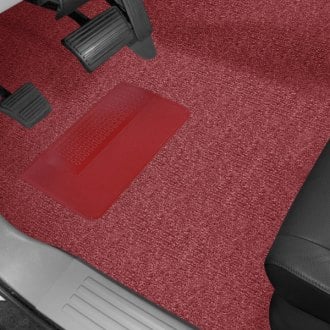
Credit: www.carid.com
Installing The New Carpet
Installing new carpet in your car can improve its look and feel. This guide helps you place the carpet properly for a neat finish.
Follow these steps carefully to avoid wrinkles and ensure the carpet fits well.
Positioning The Carpet Correctly
Start by laying the carpet inside the car without fixing it. This helps you check the fit and make adjustments.
Make sure the carpet edges line up with the car’s floor and contours. Smooth out any wrinkles or folds as you go.
- Place the carpet flat on the floor
- Align cutouts with pedals and seats
- Pull the carpet tight to remove wrinkles
- Check that the carpet covers the entire floor
Securing Edges And Seams
Once the carpet fits well, secure the edges to keep it from moving. Use adhesive or clips as needed.
Pay special attention to seams. Join edges neatly to avoid gaps or bumps that can wear out quickly.
- Use spray adhesive for a strong hold
- Press edges firmly to stick them down
- Seal seams with tape or glue designed for carpets
- Trim excess carpet for a clean look
Reattaching Seats And Panels
After securing the carpet, put the seats and panels back. This locks the carpet in place and restores the interior.
Make sure all screws and clips are tight to avoid rattles or loose parts.
- Place seats carefully on the carpet
- Align bolt holes with seat mounts
- Tighten bolts securely
- Snap door panels and trim back in place
Finishing Touches
Replacing auto carpet is not done until you add the finishing touches. These final steps help your carpet look neat and last longer. Pay close attention to small details.
Good finishing ensures the carpet fits well and stays secure. It also keeps the surface smooth and clean. Let’s look at key finishing steps.
Trimming Excess Material
After fitting the new carpet, check for any extra material around the edges. Trim away excess carefully to avoid uneven edges. Use a sharp utility knife for clean cuts.
Make sure you leave a little extra to tuck under panels or seats. This helps keep the carpet tight and prevents fraying over time.
Checking For Wrinkles And Bubbles
Look closely at the carpet surface for wrinkles or bubbles. These flaws can cause discomfort and wear out the carpet quickly. Smooth them out by pressing firmly or using a roller.
- Start from the center and push air outwards
- Use your hands or a soft roller tool
- Apply heat with a heat gun for stubborn bubbles
- Be gentle to avoid damaging the carpet fibers
Cleaning And Maintaining New Carpet
Keep your new carpet clean to maintain its look and life. Regular cleaning stops dirt buildup that can damage fibers. Use a vacuum or gentle brush.
Spot clean spills quickly with a mild cleaner and cloth. Avoid harsh chemicals that can harm the carpet. Proper care keeps your car interior fresh and neat.
Credit: www.trifive.com
Frequently Asked Questions
How Long Does It Take To Replace Auto Carpet?
Replacing auto carpet usually takes 3 to 5 hours. Time varies based on vehicle size and carpet complexity. Proper removal and fitting ensure a clean, professional look.
What Tools Are Needed To Replace Auto Carpet?
You need basic tools like screwdrivers, pliers, a utility knife, and adhesive spray. A carpet stretcher and trimming tools help achieve a perfect fit.
Can I Replace Auto Carpet Myself?
Yes, replacing auto carpet is doable for DIYers with patience. Follow step-by-step instructions carefully to avoid mistakes. Practice ensures a neat, durable result.
How Much Does It Cost To Replace Auto Carpet?
Cost ranges from $100 to $400 for materials. Professional installation may add $200 to $500 depending on labor rates and vehicle type.
Conclusion
Replacing auto carpet can save you money and improve your car’s look. Take your time to measure and cut the carpet carefully. Use the right tools and follow the steps closely. Clean the floor before laying the new carpet for better results.
A fresh carpet makes your car feel cleaner and more comfortable. Small efforts bring big changes. Ready to give your car a fresh start?