
Are you ready to add saddlebags to your motorcycle but unsure where to start? Installing saddlebags can transform your riding experience, giving you extra space for your gear without sacrificing style or safety.
In this guide, you’ll discover simple, step-by-step instructions to fit saddlebags securely and quickly. Whether you’re a beginner or just need a refresher, you’ll gain the confidence to carry more on every ride. Keep reading, and by the end, you’ll know exactly how to put saddlebags on your motorcycle like a pro.
Choosing The Right Saddlebags
Saddlebags add storage to your motorcycle. Picking the right ones makes your ride easier. This guide covers key points to help you choose.
Consider the type, material, and size of saddlebags before buying. Each factor affects comfort and usefulness on the road.
Types Of Saddlebags
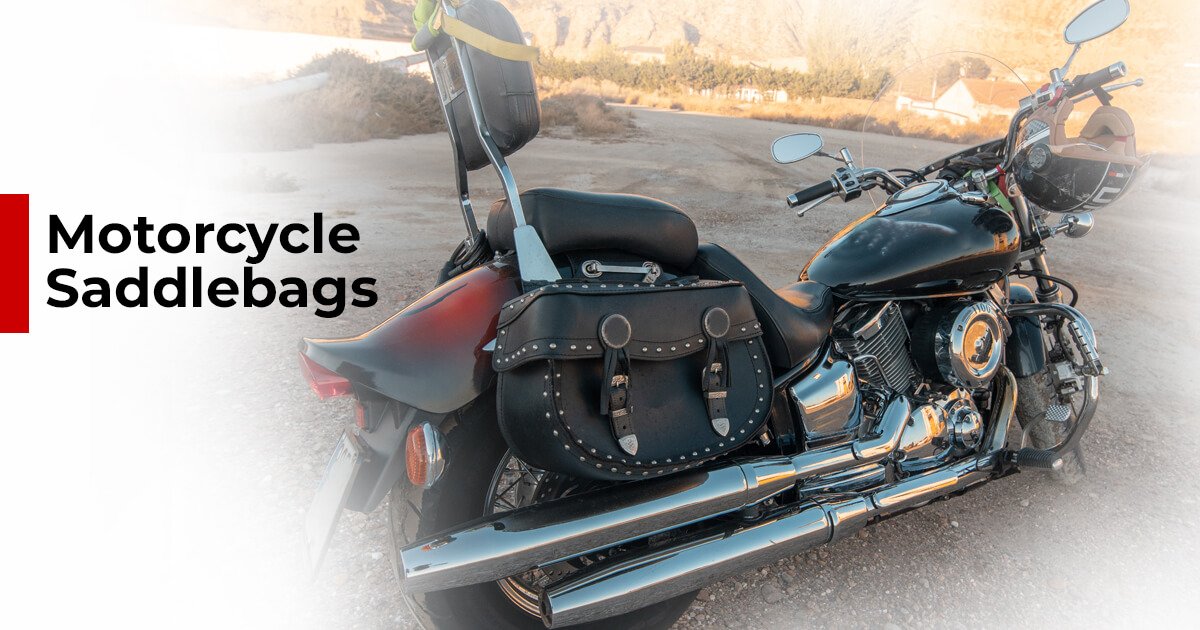
Saddlebags come in many styles. Pick one that fits your bike and riding style. Some attach hard, some soft, and others are a mix.
- Hard Saddlebags:Made from plastic or metal, they offer strong protection and lockability.
- Soft Saddlebags:Made from leather or fabric, they are lighter and flexible.
- Rigid Leather Saddlebags:Combine style and durability with a classic look.
- Tool Bags:Smaller bags for tools and small items, often mounted near the frame.
Material Considerations
Materials affect weight, durability, and weather resistance. Choose based on your needs and budget.
| Material | Pros | Cons |
| Leather | Stylish, durable, flexible | Needs care, can be expensive |
| Vinyl | Water-resistant, cheaper | Less durable, can fade |
| Plastic/Hard Shell | Strong, weatherproof, lockable | Heavier, less flexible |
| Textile/Fabric | Lightweight, easy to install | Less protective, can wear out |
Size And Capacity
Size matters for what you carry and balance on your bike. Too big bags can affect handling. Too small means less storage.
- Check the bag’s volume in liters or cubic inches.
- Think about what gear you usually bring.
- Consider the space available on your motorcycle.
- Balance weight evenly on both sides.
Credit: www.greatbikersgear.com
Preparing Your Motorcycle
Before attaching saddlebags to your motorcycle, you need to prepare it well. Proper preparation keeps the installation safe and secure.
Start by making sure your motorcycle is clean and ready. Check if the saddlebags fit and gather all the tools you will need.
Cleaning Mounting Areas
Clean the parts of your motorcycle where you will attach the saddlebags. Dirt and grease can stop the bags from fitting tightly.
- Use mild soap and water to wash the mounting spots.
- Dry the areas completely with a soft cloth.
- Remove any old adhesive or rust if present.
- Check for damage or loose parts before installation.
Checking Compatibility
Make sure your saddlebags match your motorcycle model. Some bags fit only certain types and years.
| Motorcycle Type | Compatible Saddlebag Style |
| Cruiser | Hard or soft leather saddlebags |
| Sportbike | Compact, aerodynamic bags |
| Touring | Large, hard-shell saddlebags |
| Standard | Universal or custom-fit bags |
Gathering Necessary Tools
Have all tools ready before you start. This will save time and avoid interruptions.
Common tools for mounting saddlebags include:
- Wrenches or socket set
- Screwdrivers (flat and Phillips)
- Allen keys (hex wrenches)
- Measuring tape
- Thread locker (optional)
- Soft cloth or towel
Attaching Saddlebags Securely
Attaching saddlebags on a motorcycle needs care to keep them safe. Secure bags stop them from moving or falling off while riding.
This guide explains simple ways to attach saddlebags tightly. Follow these tips to keep your bags in place.
Positioning The Bags
Place the saddlebags evenly on both sides of the motorcycle. Make sure they do not touch the tires or exhaust pipes.
Check that the bags do not block your feet or the bike’s controls. Proper positioning helps keep balance and safety.
- Keep bags level with the seat height
- Leave space between bags and wheels
- Avoid covering lights or signals
- Test clearance when turning the handlebars
Using Mounting Brackets
Mounting brackets attach saddlebags firmly to the motorcycle frame. They help stop the bags from swinging or bouncing.
Choose brackets that fit your bike model and saddlebag size. Secure the brackets with bolts or screws as directed.
- Use metal brackets for strength and durability
- Check bracket tightness before each ride
- Follow manufacturer instructions carefully
- Replace damaged brackets immediately
Strapping And Fastening
Use strong straps or fasteners to hold the saddlebags in place. Straps prevent bags from shifting during stops or turns.
Tighten straps without crushing the bag. Check straps for wear and replace them if they look weak.
- Use adjustable straps with buckles or clips
- Secure straps around the frame or bracket
- Avoid loose ends that can catch on road parts
- Inspect straps before every trip
Credit: www.fz09.org
Adjusting And Testing Fit
Putting saddlebags on a motorcycle needs care to ensure they fit well. Proper fit helps keep the bike stable and safe.
This guide covers balance, clearance, and test riding to check your saddlebags’ fit.
Ensuring Balance
Balance is key for safe riding with saddlebags. Check that both bags carry equal weight. Uneven weight can cause handling problems.
- Place similar items in each saddlebag
- Adjust mounting points to keep bags level
- Use straps or brackets to secure bags firmly
- Shift weight if one side feels heavier
Checking Clearance
Clearance means space between the saddlebags and parts of the motorcycle or ground. Good clearance avoids rubbing or damage.
| Part | Minimum Clearance | Why It Matters |
| Rear Wheel | 2 inches (5 cm) | Prevents contact when turning or leaning |
| Exhaust Pipe | 3 inches (7.5 cm) | Avoids heat damage to bags |
| Ground | 6 inches (15 cm) | Prevents scraping on bumps or turns |
Test Riding Tips
Test riding helps confirm the saddlebags fit well and do not interfere with riding. Check for any issues while riding slowly at first.
- Ride on a flat, open area to feel the balance
- Try slow turns to see if bags touch the ground
- Listen for noises from loose parts or rubbing
- Adjust straps or mounts if needed after test
- Repeat test ride to confirm changes worked
Maintaining Saddlebags
Keeping your motorcycle saddlebags in good shape helps them last longer. Regular care protects them from damage and wear.
Follow simple maintenance steps to ensure your saddlebags stay clean, safe, and ready for your next ride.
Cleaning And Care
Clean your saddlebags often to remove dirt and grime. Use mild soap and water for leather or synthetic materials. Avoid harsh chemicals that cause damage.
- Wipe bags with a soft cloth after each ride
- Use leather conditioner for leather saddlebags
- Dry bags completely before storing
- Check seams and zippers for damage
Regular Inspections
Check your saddlebags regularly to spot any issues early. Look for loose stitches, broken buckles, or worn straps. Fix problems before they get worse.
| Inspection Area | What to Check | Action Needed |
| Stitching | Loose or broken threads | Repair or sew |
| Buckles and Straps | Cracks or breaks | Replace parts |
| Zippers | Stuck or missing teeth | Clean or replace |
| Bag Material | Cracks, tears, or discoloration | Clean or patch |
Storage Tips
Store saddlebags properly to keep their shape and quality. Avoid damp or direct sunlight areas. Use covers or bags to protect them from dust.
- Empty saddlebags before storage
- Keep in a cool, dry place
- Use silica gel packs to prevent moisture
- Avoid heavy items on top of saddlebags
Credit: www.indianmotorcycles.net
Frequently Asked Questions
How Do You Attach Saddlebags To A Motorcycle?
Attach saddlebags using the mounting brackets or straps provided. Secure them to the frame or saddlebag supports. Ensure even weight distribution to avoid imbalance. Double-check all fasteners before riding to prevent loosening or loss during travel.
Can Saddlebags Fit Any Motorcycle Model?
Most saddlebags are designed to fit a variety of models. However, check compatibility with your motorcycle’s make and year. Some require specific mounting kits for proper installation. Always refer to the manufacturer’s guidelines for best fit and safety.
What Tools Are Needed To Install Saddlebags?
Common tools include screwdrivers, wrenches, and sometimes Allen keys. Some saddlebags come with a dedicated mounting kit and tools. Having a torque wrench helps ensure bolts are tightened correctly for safe riding.
How To Maintain Saddlebags For Longevity?
Clean saddlebags regularly with mild soap and water. Avoid harsh chemicals that damage materials. Check straps and mounting points for wear. Store them in a dry place when not in use to prevent mildew and cracking.
Conclusion
Attaching saddlebags makes your ride more practical and fun. Choose the right bags that fit your bike well. Secure them tightly to avoid any issues on the road. Regularly check the straps and mounts for safety. Enjoy the extra space for your gear and trips.
With a bit of care, saddlebags last long and stay strong. Ready for your next adventure? Saddlebags help carry what you need easily. Simple steps bring great convenience to every ride.