
Are you tired of leaving your truck bed exposed to the weather and prying eyes? A truck bed cover is the perfect solution to keep your cargo safe, dry, and out of sight.
But buying one can be expensive and may not fit your needs exactly. What if you could make a custom truck bed cover yourself, tailored just for your truck and style? In this guide, you’ll discover simple steps and tips to create your own durable and stylish truck bed cover without breaking the bank.
Ready to protect your gear and upgrade your truck? Let’s dive in and get started!

Credit: 300mpg.org
Choosing The Right Materials
Picking the right materials is key to making a strong truck bed cover. The material affects how well it protects your cargo.
Consider the type, durability, and tools needed before starting your project.
Types Of Truck Bed Covers
Truck bed covers come in several types. Each type uses different materials and offers unique benefits.
- Soft covers made from vinyl or fabric
- Hard covers made from fiberglass or aluminum
- Retractable covers that roll or slide open
- Folding covers with multiple panels
Material Options And Durability
| Material | Durability | Advantages | Disadvantages |
| Vinyl | Moderate | Lightweight, flexible, easy to install | Can tear, less weather resistant |
| Fiberglass | High | Strong, weatherproof, smooth finish | Heavier, more expensive |
| Aluminum | High | Rust-resistant, lightweight, durable | Can dent, higher cost |
| Fabric | Low | Affordable, easy to handle | Less protection, wears out fast |
Tools And Supplies Needed
You need the right tools to work with your chosen materials. Good tools make the project easier and safer.
- Measuring tape
- Power drill with bits
- Screwdrivers
- Wrenches
- Utility knife or scissors
- Clamps
- Safety gloves and glasses
Measuring Your Truck Bed
Measuring your truck bed is the first step to making a custom cover. Accurate measurements ensure a perfect fit. You will avoid gaps and loose areas by measuring carefully.
Focus on the length and width of the bed. Also, consider the shape and any special features. These details affect how your cover will fit and work.
Accurate Length And Width Measurements
Use a tape measure to get the length and width of your truck bed. Measure inside the bed, from wall to wall. Take the longest length and the widest width to cover all areas.
- Measure the length from the front wall to the tailgate edge.
- Measure the width between the two side walls.
- Write down each measurement clearly.
- Double-check each number for accuracy.
Considering Bed Shape And Features
Truck beds come in different shapes. Some have wheel wells, tie-downs, or toolboxes inside. These features change how you measure and make the cover.
| Feature | How to Measure |
| Wheel Wells | Measure width around each wheel well and note their position |
| Tie-Downs | Measure distance from bed walls to tie-down points |
| Toolboxes | Measure toolbox size and placement in the bed |
Cutting And Preparing Materials
Making a truck bed cover starts with cutting and preparing the right materials. This process helps ensure the cover fits well and lasts long.
Careful measuring and smoothing make the project easier and safer. Use the right tools and follow clear steps for best results.
Marking And Cutting Techniques
Mark your materials clearly before cutting. Use a ruler and pencil to draw straight lines. Check measurements twice to avoid mistakes.
Cut with a sharp saw or utility knife. Cut slowly to keep edges clean and straight. Use clamps to hold materials steady during cutting.
- Measure twice, cut once
- Use a straight edge for marking
- Cut slowly and steadily
- Hold materials firmly with clamps
- Wear safety gear like gloves and goggles
Sanding And Smoothing Edges
After cutting, sand the edges to remove rough spots and splinters. Use medium-grit sandpaper first, then fine-grit for a smooth finish.
Sanding helps the cover fit better and prevents injuries. Wipe away dust with a clean cloth before assembling the parts.
- Start with medium-grit sandpaper (80-120 grit)
- Finish with fine-grit sandpaper (180-220 grit)
- Sand all cut edges evenly
- Remove dust after sanding
- Wear a dust mask for safety
Assembling The Frame
Building a truck bed cover starts with assembling a strong frame. The frame supports the cover and keeps it stable. This guide explains how to make a sturdy frame step by step.
Focus on two main parts: building the support structure and joining the frame parts securely. Each part is important for a reliable cover.
Building A Sturdy Support Structure
Start by selecting strong materials like aluminum or steel for the frame. Cut the pieces to fit the size of your truck bed. Make sure the support beams are even and straight.
- Measure the truck bed length and width accurately.
- Cut four main support beams for the sides.
- Add cross beams for extra strength and balance.
- Sand the edges to avoid sharp corners.
- Check all parts fit before assembling.
Joining And Securing Frame Parts
Use bolts and screws to join the frame parts tightly. Welding can add more strength if you have the tools. Secure all connections to prevent wobbling or gaps.
| Connection Method | Tools Needed | Notes |
|---|---|---|
| Bolts and Nuts | Wrench, Drill | Easy to adjust later |
| Screws | Screwdriver, Drill | Good for lightweight parts |
| Welding | Welder, Safety Gear | Strongest, but permanent |
Attaching The Cover
Attaching the truck bed cover is an important step. It keeps the cover in place and protects your items.
Use the right tools and parts to secure the cover well. This guide shows you how to attach it correctly.
Securing The Cover To The Frame
Start by placing the cover on the truck bed frame. Make sure it fits snugly without gaps.
Use clamps or bolts to attach the cover firmly. Tighten them evenly on all sides to avoid leaks.
- Check the cover alignment before tightening
- Tighten bolts in a diagonal pattern
- Use washers to protect the cover material
- Do not overtighten to avoid damage
Adding Weatherproof Seals
Weatherproof seals keep water and dust out of the truck bed. Install these seals along the edges of the cover.
Use adhesive-backed rubber seals or foam strips. Press them firmly to stick and fill any gaps.
- Clean the surface before applying seals
- Cut seals to fit all sides of the cover
- Press seals evenly without wrinkles
- Replace seals if they wear out over time
Installing The Cover On The Truck
Installing a truck bed cover can protect your cargo from weather and theft. This guide will walk you through the steps to securely install the cover.
Follow these instructions to ensure the cover is aligned properly and fastened securely. Safety checks are important for a reliable installation.
Positioning And Aligning
Position the cover carefully to align it with the edges of the truck bed. Proper alignment is key for a snug fit.
- Place the cover on the truck bed.
- Ensure the edges are parallel to the truck rails.
- Adjust the cover so it sits evenly on all sides.
Fastening Methods And Safety Checks
Choose the right fastening method for your cover type. Secure fastening prevents the cover from coming loose during travel.
| Fastening Type | Method |
| Clamps | Tighten clamps along the bed rails |
| Velcro | Press down firmly along the edges |
| Snap-on | Snap each corner securely |
Perform safety checks to ensure the cover is securely installed. Test for movement and adjust if necessary.
Maintenance Tips For Longevity
Truck bed covers protect your cargo from weather and theft. Keeping them in top shape ensures they last longer.
Regular maintenance is key for your truck bed cover. Clean and repair it to keep it looking new.
Cleaning And Care
Cleaning your truck bed cover is important. Dirt and grime can damage the material over time.
Use mild soap and water to clean the cover. Avoid harsh chemicals that can cause fading.
- Rinse with water to remove loose dirt
- Gently scrub with a soft brush
- Dry with a clean towel to prevent water spots
Repairing Minor Damages
Small tears or holes can be fixed. This prevents them from getting worse.
Use a repair kit that matches your cover’s material. Follow the instructions carefully.
- Clean the area around the damage
- Apply the patch or adhesive from the kit
- Press firmly and let it dry completely
Credit: www.coloradofans.com
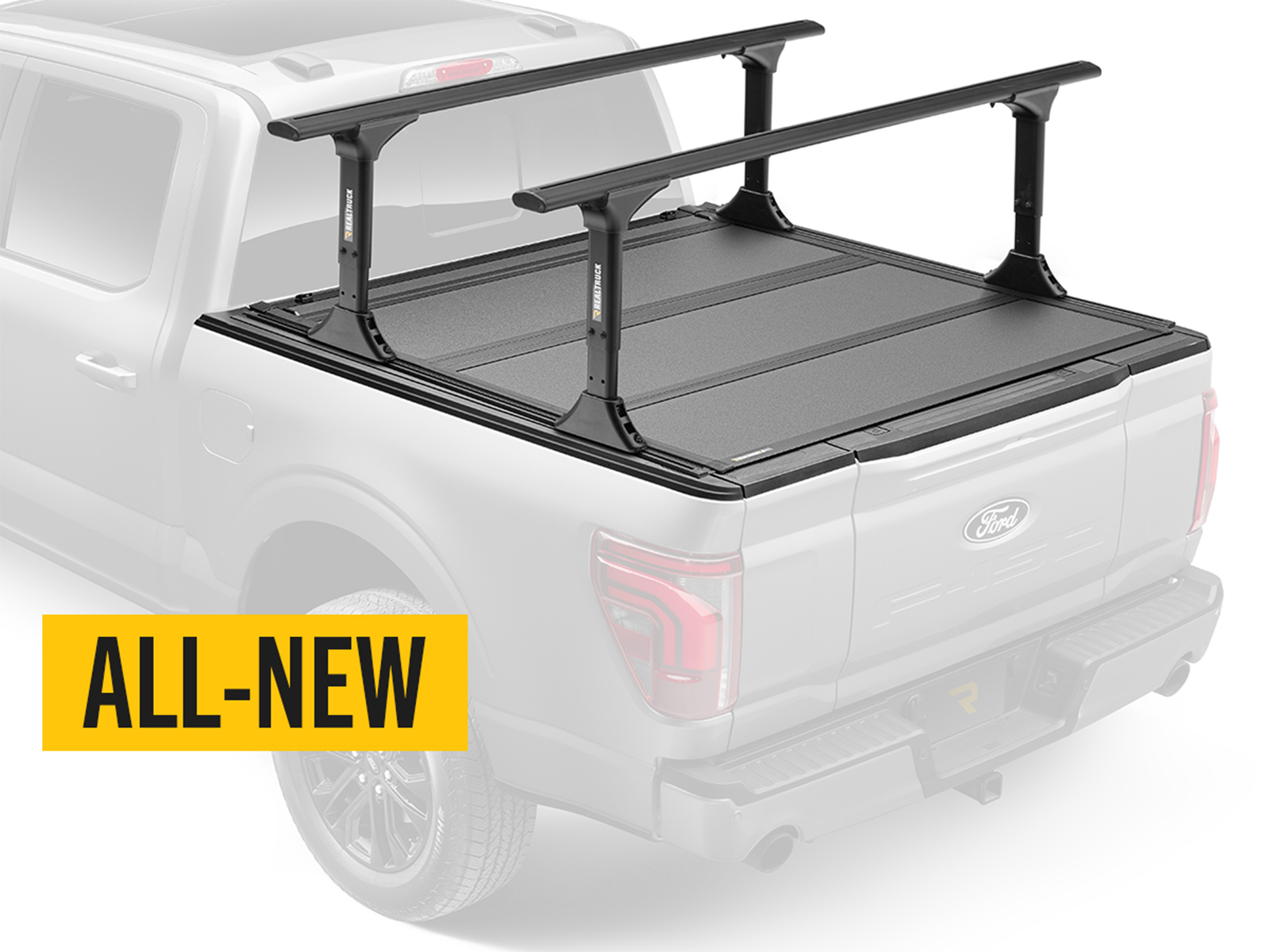
Credit: realtruck.com
Frequently Asked Questions
What Materials Are Best For A Truck Bed Cover?
The best materials include aluminum, fiberglass, and vinyl. Aluminum is durable and lightweight. Fiberglass offers strong protection. Vinyl is flexible and affordable. Choose based on weather, budget, and durability needs for your truck bed cover.
How Long Does It Take To Make A Truck Bed Cover?
Making a truck bed cover typically takes 2 to 6 hours. Time depends on the material, design complexity, and your skill level. Simple covers are quicker, while custom or hard covers require more time for precise fitting and finishing.
Can I Install A Truck Bed Cover Myself?
Yes, many truck bed covers are DIY-friendly. Most come with detailed instructions and necessary hardware. Basic tools like screwdrivers and wrenches are usually needed. However, complex covers may require professional installation for best results and warranty protection.
How Much Does It Cost To Make A Truck Bed Cover?
Cost varies widely from $100 to $1000 or more. Vinyl covers are the most affordable. Aluminum and fiberglass options cost more due to materials and durability. DIY projects save labor costs but material quality affects price.
Conclusion
Making a truck bed cover is simpler than it seems. Gather the right tools and follow clear steps. Measure carefully to ensure a perfect fit. Use sturdy materials to protect your truck bed well. Take your time and work safely throughout the process.
This project saves money and adds value to your truck. Enjoy the satisfaction of a job done by yourself. Keep your truck bed covered and secure every day.