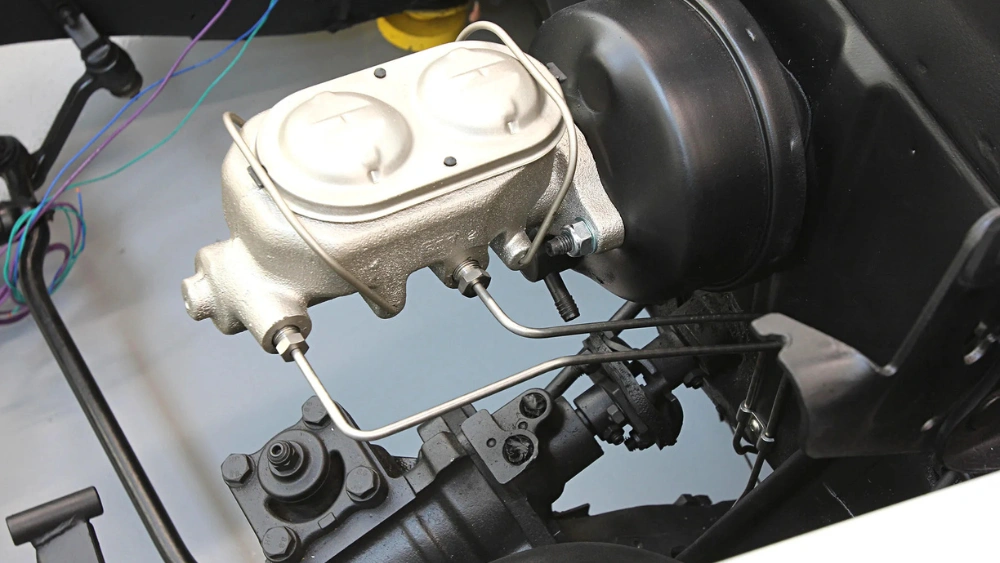
Your truck’s brake line is one of the most important parts keeping you safe on the road. If it starts leaking or gets damaged, your brakes won’t work properly—and that’s a serious risk.
But don’t panic. Fixing a brake line on your truck might sound complicated, but with the right steps, you can handle it yourself. In this guide, you’ll learn exactly how to spot the problem, what tools you need, and how to make the repair quickly and safely.
Keep reading, because knowing how to fix your brake line could save you time, money, and even your life.
Credit: www.brakeandfrontend.com
Signs Of A Damaged Brake Line
Brake lines are vital for your truck’s safety. They carry brake fluid to stop the vehicle. If they get damaged, your truck may not stop properly.
Knowing the signs of a damaged brake line helps you act quickly. This guide covers common problems and safety risks to watch for.
Common Brake Line Issues
Brake lines can suffer from rust, leaks, and cracks. These issues reduce brake fluid flow and cause brake failure.
- Visible fluid leaks under the truck
- Rust or corrosion on the brake lines
- Cracks or worn spots on the line surface
- Soft or spongy brake pedal feel
- Brake warning light on the dashboard
Safety Risks To Watch
Damaged brake lines create serious safety risks. Brake failure can cause accidents and injuries.
| Risk | Description |
| Brake Fluid Leak | Loss of pressure leads to poor brake response. |
| Brake Failure | Complete loss of braking power in extreme cases. |
| Increased Stopping Distance | Longer distance needed to stop the truck safely. |
| Accident Risk | Higher chance of collisions due to brake issues. |
Tools And Materials Needed
Fixing a brake line on a truck needs the right tools and parts. Using proper tools makes the job safer and easier.
This guide lists the essential tools and recommended replacement parts for this repair.
Essential Repair Tools
You must have specific tools to safely and effectively fix a brake line on your truck.
- Brake line wrenches (flare nut wrenches)
- Tube bender for brake lines
- Brake line cutter or tubing cutter
- Line flaring tool
- Jack and jack stands
- Safety glasses and gloves
- Brake fluid bleeder kit
- Drain pan for brake fluid
- Rags or shop towels
- Penetrating oil or lubricant
Recommended Replacement Parts
Use the right parts to ensure the brake line repair lasts and works properly.
| Part | Description | Notes |
|---|---|---|
| Brake line tubing | Steel or copper-nickel tubing | Match original diameter and length |
| Brake line fittings | Flare nuts and connectors | Use correct thread size and type |
| Brake fluid | DOT 3, DOT 4, or DOT 5.1 | Check truck manufacturer specs |
| Brake line clamps | Holds lines securely | Replace if damaged or missing |
Preparing The Truck For Repair
Fixing a brake line on a truck needs careful preparation. You must set up the truck safely to avoid accidents.
This guide will help you get the truck ready before you start fixing the brake line.
Securing The Vehicle
First, park the truck on a flat surface. This keeps it from rolling while you work.
Use wheel chocks to block the tires. This adds extra safety during the repair.
- Turn off the engine and remove the keys.
- Set the parking brake firmly.
- Place wheel chocks in front of and behind the tires.
- Use jack stands if you lift the truck.
Locating The Brake Line
Find the brake line that needs fixing. Follow the line from the master cylinder to the wheels.
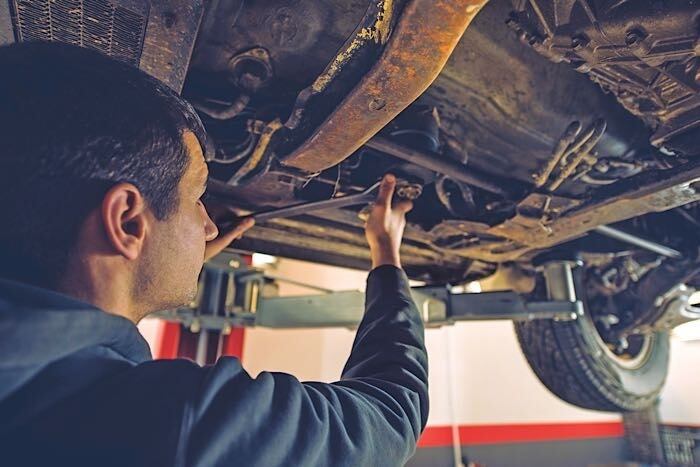
Look for signs of leaks, cracks, or damage along the line. This helps you spot the exact problem area.
- Check near the wheels and under the truck.
- Look for wet spots or rust on the brake line.
- Follow the metal tubing and flexible hoses carefully.
- Note any parts that seem loose or worn out.
Removing The Damaged Brake Line
Fixing a brake line on a truck starts with removing the damaged part. This step is important for safety and repair quality.
Careful work prevents harm and makes the new brake line fit correctly. Follow clear steps to remove the old brake line safely.
Disconnecting Brake Components
First, find the brake line where it connects to the brake system. Use the right tools to loosen the fittings carefully.
Remove any clips or brackets holding the brake line in place. Keep track of all parts to help during reassembly.
- Use a flare nut wrench to avoid rounding bolts
- Loosen fittings slowly to prevent damage
- Remove clips and brackets carefully
- Keep parts organized for reinstallation
Handling Brake Fluid Safely
Brake fluid can harm your skin and eyes. Wear gloves and safety glasses when working with it.
Catch any leaking fluid in a container. Clean spills right away to protect surfaces and the environment.
- Wear gloves and eye protection
- Use a container to catch fluid
- Clean spills immediately
- Dispose of brake fluid properly
Installing The New Brake Line
Installing a new brake line on a truck is a key part of brake repair. It ensures your vehicle stops safely.
Follow careful steps to fit and secure the new brake line correctly. Proper connections keep the brake system leak-free.
Fitting And Securing The Line
First, route the new brake line along the same path as the old one. Avoid sharp bends or contact with moving parts.
- Use brake line clips to hold the line in place.
- Make sure the line is snug but not too tight.
- Check that the line does not touch hot surfaces like the exhaust.
- Leave some slack near the wheels to allow suspension movement.
Ensuring Proper Connections
Connect the brake line fittings tightly. Loose connections cause leaks and brake failure.
| Connection Point | What to Check | Tool Needed |
| Master Cylinder | Clean threads, tight fit | Flare nut wrench |
| Brake Caliper | Proper seating, no cross-thread | Flare nut wrench |
| Brake Hose Fitting | Secure clip, no damage | Pliers |

Credit: www.oreillyauto.com
Bleeding The Brake System
Bleeding the brake system is an important step in fixing a brake line on a truck. It ensures that the brakes work properly by removing any trapped air.
When air is in the brake lines, it can cause the brakes to feel spongy. This process helps maintain safe and efficient braking.
Removing Air From Lines
Removing air from brake lines is crucial for safety. Air in the lines can cause brake failure.
Use a wrench to open the bleeder valve. Have a friend press the brake pedal.
- Attach a clear hose to the bleeder valve
- Place the other end in a container with brake fluid
- Close the valve once air bubbles stop
- Repeat for all wheels
Testing Brake Pressure
Testing brake pressure ensures the system is working right. Proper pressure means the brakes will respond quickly.
Press the brake pedal several times. It should feel firm and not sink to the floor.
| Test | Expected Result |
|---|---|
| Pedal Pressure | Firm and steady |
| Pedal Movement | Minimal sinking |
Final Safety Checks
Ensuring your truck’s brake line is fixed correctly is crucial for safety. After repairs, final checks are necessary to avoid risks.
These checks help confirm that everything is secure and working well. Follow these steps to ensure your truck is safe to drive.
Inspecting For Leaks
Look for any signs of brake fluid leaks. Leaks can affect brake performance and safety. Inspect the area around the brake line and connections.
- Check the ground for fluid spots under the truck
- Examine the brake line connections for moisture
- Ensure all bolts and fittings are tight
Performing A Road Test
Perform a road test to ensure the brakes work smoothly. This step checks the effectiveness of your brake line repair.
| Test Type | Purpose |
| Low-speed stop | Check basic brake response |
| High-speed stop | Ensure brake stability |
| Emergency stop | Test brake effectiveness under stress |

Credit: www.youtube.com
Frequently Asked Questions
How Do I Know If My Truck’s Brake Line Is Damaged?
You may notice brake fluid leaks, reduced brake pressure, or a soft brake pedal. Inspect for visible cracks, rust, or wet spots along the brake lines. Early detection helps prevent brake failure and ensures safe driving.
What Tools Are Needed To Fix A Truck Brake Line?
Basic tools include a jack, jack stands, wrenches, brake line wrench, flaring tool, brake fluid, and replacement brake lines. Having these tools ready makes the repair process smoother and safer.
Can I Fix A Brake Line Leak Myself Safely?
Yes, if you have mechanical skills and proper tools. Follow safety procedures, relieve brake pressure, and replace damaged sections carefully. However, if unsure, seek professional help to ensure your brakes function correctly.
How Long Does It Take To Replace A Truck Brake Line?
Typically, it takes 1 to 2 hours depending on your experience and truck model. Proper bleeding of the brake system is crucial after replacement to ensure safety.
Conclusion
Fixing a brake line on your truck helps keep you safe on the road. Always check for leaks and wear before driving. Use the right tools and parts for the job. Take your time and follow each step carefully. If you feel unsure, ask a mechanic for help.
Regular brake maintenance saves money and prevents accidents. Stay safe, stay prepared, and keep your truck in good shape.