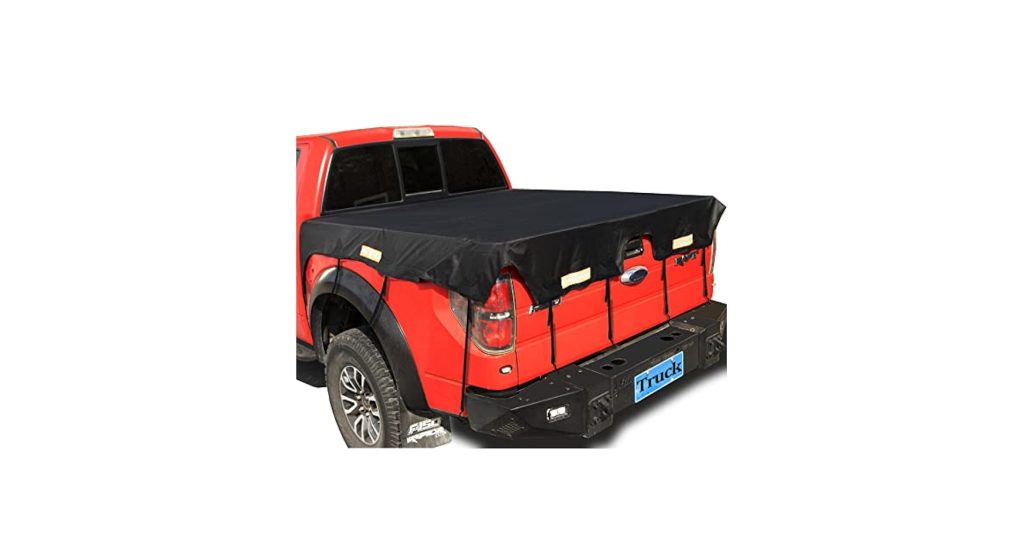
You know how important it is to keep your truck bed protected. Whether you’re hauling tools, camping gear, or just trying to keep your load dry, a tarp is one of the easiest and most affordable solutions.
But if you’ve ever struggled to get that tarp tight and secure, you’re not alone. Getting it right can save you time, prevent damage, and keep everything exactly where it should be. You’ll learn simple, effective steps to cover your truck bed with a tarp like a pro—no fuss, no wasted effort.
Ready to make your next trip smoother and stress-free? Let’s dive in.

Credit: www.trpauto.com
Choosing The Right Tarp
Covering a truck bed with a tarp keeps your cargo safe and dry. Picking the right tarp helps protect your items well.
This guide explains how to select a tarp by looking at material types, size and fit, and durability factors.
Material Types
Tarps come in different materials. Each type suits different needs and weather conditions.
- Polyethylene:Water-resistant and strong. Good for general use.
- Canvas:Breathable and durable. Best for heavy loads and long use.
- Vinyl:Waterproof and heavy-duty. Works well in bad weather.
- Mesh:Allows air flow. Ideal for light coverage and reducing wind load.
Size And Fit
Choosing the right size tarp is important. A tarp too small will not cover well. A tarp too big may flap in the wind.
| Truck Bed Size | Recommended Tarp Size |
| 5 feet | 6 feet x 8 feet |
| 6 feet | 7 feet x 10 feet |
| 8 feet | 9 feet x 12 feet |
| 10 feet | 10 feet x 14 feet |
Durability Factors
Durability depends on the tarp’s thickness, weave, and coating. These features affect how long the tarp lasts.
| Feature | Effect on Durability |
|---|---|
| Thickness (mil) | Thicker tarps resist tears better |
| Weave Density | Tighter weave means stronger fabric |
| Coating Type | UV and waterproof coatings increase lifespan |
| Grommets | Metal grommets prevent ripping at tie points |
Gathering Necessary Tools
Covering a truck bed with a tarp needs the right tools. These tools help keep the tarp secure and protect your cargo.
Getting your tools ready before you start makes the job easier and faster. Here are the main tools you need.
Bungee Cords And Straps
Bungee cords and straps hold the tarp tightly on the truck bed. They stretch and wrap around the tarp and truck to keep everything in place.
Use strong bungee cords or straps that fit your tarp size. Make sure they have hooks or clips for easy attachment.
- Bungee cords stretch to fit tight
- Straps come with buckles for tightening
- Choose weather-resistant materials
- Use enough cords or straps to cover all sides
Ratchet Tie-downs
Ratchet tie-downs give extra strength to hold the tarp firmly. They lock in place and do not loosen during travel.
Pick ratchet straps with hooks that fit your truck. Check the length to cover the tarp and reach anchor points.
- Use ratchets to tighten straps securely
- Check for damage before use
- Keep straps tight, but avoid over-tightening
- Store ratchets where they stay dry
Safety Gloves
Safety gloves protect your hands from cuts and scrapes while handling the tarp and tools. They also improve grip on straps and cords.
Choose gloves that fit well and have good padding. Look for gloves that resist tears and provide comfort during work.
- Use gloves to avoid blisters
- Wear gloves when pulling straps tight
- Pick gloves with non-slip surfaces
- Keep gloves clean for better grip
Preparing The Truck Bed
Covering a truck bed with a tarp keeps your cargo safe and dry. Preparing the bed well makes the job easier.
Cleaning, inspecting, and positioning cargo properly helps the tarp stay secure and protects your load.
Cleaning And Clearing Debris
Remove leaves, dirt, and any loose items from the truck bed. A clean surface prevents damage to the tarp.
Check corners and edges carefully and sweep or wipe them clean. This also helps the tarp lay flat.
- Use a broom or brush to sweep the bed
- Pick up any large debris by hand
- Wipe away dust with a damp cloth if needed
Inspecting For Damage
Look for dents, rust, or sharp edges in the truck bed. These can tear your tarp or damage your cargo.
Fix small issues or cover sharp spots with tape before placing the tarp. This protects both the truck and tarp.
- Check the bed walls and floor for rust
- Look for nails or screws sticking out
- Cover sharp spots with duct tape or padding
Positioning Cargo
Place your cargo evenly and close to the cab. This helps keep the load stable during travel.
Stack items low if possible. High stacks can catch wind and cause the tarp to flap or tear.
- Arrange heavy items at the bottom
- Keep cargo away from sharp edges
- Fill gaps with smaller items to reduce movement

Credit: www.amazon.com
Laying Out The Tarp
Covering a truck bed with a tarp protects your cargo. It keeps items safe from weather and dust.
Properly laying out the tarp ensures effective coverage. Follow these steps for the best results.
Aligning Over The Bed
Start by placing the tarp at one end of the truck bed. Make sure it aligns evenly with the sides.
Check that the tarp is centered. This helps keep it secure during travel.
Ensuring Full Coverage
Pull the tarp over the cargo. Ensure it covers everything in the truck bed completely.
Let the tarp hang over the sides. This extra length keeps the edges covered.
- Check all corners for exposure
- Adjust tarp if any gaps appear
- Secure edges with ropes or bungee cords
Avoiding Wrinkles
Smooth out any wrinkles in the tarp. Wrinkles can catch the wind and cause noise.
Gently pull the tarp tight. This helps maintain a smooth surface.
- Start smoothing from the center
- Work your way to the edges
- Tighten corners for a clean look
Securing The Tarp
Covering a truck bed with a tarp keeps your cargo safe from weather and dust. Securing the tarp well stops it from flying off during travel.
This guide explains how to secure the tarp using bungee cords, ratchet straps, and knots for extra hold.
Using Bungee Cords
Bungee cords stretch to fit tight around the tarp and truck bed. They are easy to use and quick to remove.
Hook the bungee cords to the tarp’s grommets and truck bed hooks. Make sure each cord is tight to avoid slack.
- Choose bungee cords with hooks on both ends
- Attach cords evenly around the tarp edges
- Check cords regularly for wear or damage
Attaching With Ratchet Straps
Ratchet straps provide a stronger hold than bungee cords. They pull the tarp tight and keep it secure on long trips.
Thread the strap through the tarp’s grommets and anchor points on the truck. Use the ratchet to tighten the strap firmly.
- Use straps rated for outdoor use
- Place straps every few feet for even tension
- Do not over-tighten to avoid tearing the tarp
Tying Knots For Extra Hold
Tying knots can add extra security if you don’t have cords or straps. Simple knots hold the tarp tight around the truck bed.
Use strong rope and tie the tarp’s grommets to the truck’s tie-down points. Make sure knots are tight and easy to untie later.
- Use square knots for strong, stable holds
- Double knots prevent slipping
- Test knots before driving to ensure security

Credit: www.trpauto.com
Checking For Stability
Covering a truck bed with a tarp keeps your cargo safe. It is important to check the tarp’s stability.
Properly securing the tarp prevents damage and loss during travel. Let’s look at how to test and adjust the tarp.
Tightness Test
After placing the tarp, pull it tight over the truck bed. A tight tarp stays in place better.
Press down on the tarp and look for loose spots. These spots can flap or catch wind easily.
- Grab the tarp edges and pull firmly
- Check if the tarp moves or sags
- Listen for any flapping sounds
Adjusting Loose Areas
Loose areas can cause the tarp to shift or tear. Use bungee cords or ropes to fix these spots.
Make sure all corners and sides are secured tightly. Adjust knots or hooks to keep the tarp firm.
- Find loose spots on tarp edges
- Tighten cords or ropes around these areas
- Re-check after adjustments for firmness
Wind Resistance Tips
Wind can lift or tear a tarp if not secured properly. Use extra fasteners in windy conditions.
Lower the tarp as much as possible to reduce air catching underneath. Cross straps help hold it down.
- Use straps that cross over the tarp
- Secure tarp edges under the truck bed lip
- Add extra clips or ties in windy areas
Maintenance And Storage
Proper maintenance of your truck bed tarp extends its life. It also keeps your truck bed protected. Learn key steps for cleaning, drying, and folding your tarp.
These steps ensure your tarp is always ready for use. Let’s dive into the essential maintenance and storage techniques.
Cleaning The Tarp
Cleaning your tarp removes dirt and debris. This helps prevent mold and mildew.
- Use a soft brush and mild soap to scrub the tarp.
- Rinse with clean water to remove soap residue.
- Inspect for tears or damage during cleaning.
Drying Before Storage
Drying your tarp thoroughly prevents moisture damage. It is crucial before storing your tarp.
Ensure the tarp is completely dry before folding. This prevents mold growth during storage.
Proper Folding Techniques
Folding your tarp correctly saves space and reduces creasing. Follow these steps for best results.
| Step | Description |
| 1 | Lay the tarp flat on the ground. |
| 2 | Fold in half lengthwise. |
| 3 | Continue folding until compact. |
| 4 | Secure with straps or ties. |
Frequently Asked Questions
How Do I Choose The Right Tarp For My Truck Bed?
Select a tarp made of durable, waterproof material like vinyl or canvas. Choose the size matching your truck bed dimensions. Consider UV resistance for sun protection and reinforced grommets for secure tie-downs.
What’s The Best Way To Secure A Tarp On A Truck Bed?
Use bungee cords, ratchet straps, or ropes through the tarp’s grommets. Attach them tightly to anchor points on the truck bed. This prevents flapping and keeps the tarp stable during transit.
How Do I Prevent Water From Pooling On A Truck Tarp?
Drape the tarp with a slight slope from front to back or side. Avoid sagging by tightening all tie-downs evenly. This allows rainwater to run off, preventing damage or excess weight buildup.
Can I Leave A Tarp On My Truck Bed Long-term?
Yes, but check regularly for wear and tear. Clean the tarp to prevent mold and debris buildup. Remove or tighten the tarp after heavy wind or storms to avoid damage.
Conclusion
Covering a truck bed with a tarp protects your cargo from rain, dust, and wind. Secure the tarp tightly to avoid flapping or damage while driving. Choose the right size tarp and use strong ropes or bungee cords. Check the tarp often for tears or loose spots.
A well-covered truck bed keeps your items safe and dry. This simple step saves time and money in the long run. Try it yourself and see how easy it can be. Safe hauling starts with a good tarp cover.