
Is your car battery dead and leaving you stranded? Knowing how to charge an auto battery can save you time, money, and a lot of frustration.
Whether you’re facing a sudden breakdown or just want to keep your battery in top shape, this guide is made for you. You’ll learn simple steps that anyone can follow, even if you’re not a car expert. Keep reading, and by the end, you’ll feel confident handling your car battery like a pro.
Types Of Auto Batteries
Auto batteries come in different types. Each type works in a unique way.
Choosing the right battery helps your car start and run well.
Lead-acid Batteries
Lead-acid batteries are the oldest and most common type. They use lead plates and acid to store power.
These batteries are heavy but cost less than others. They need regular maintenance to keep them working well.
Agm And Gel Batteries
AGM stands for Absorbed Glass Mat. These batteries use a glass mat to hold the acid.
Gel batteries use a thick gel instead of liquid acid. Both types are sealed and do not need water refilling.
- AGM batteries have better performance in cold weather
- Gel batteries last longer in deep discharges
- Both are safer and leak-resistant
Lithium-ion Batteries
Lithium-ion batteries are lighter and smaller than others. They store more energy for their size.
These batteries charge faster and last longer but cost more. They are common in electric and hybrid cars.
Signs Of A Weak Battery
A car battery can lose power over time. Knowing the signs helps you act fast. A weak battery may cause starting problems or electrical faults.
Watch for these common signs to avoid getting stuck. Early detection saves time and money on repairs.
Slow Engine Crank
If the engine turns slowly when you start the car, the battery may be weak. It takes longer to start because the battery cannot supply enough power. This is one of the first signs of battery trouble.
Dim Headlights
Dim or flickering headlights show the battery is losing its charge. The lights may get brighter when the engine runs, but dim again when it stops. This means the battery is not holding power well.
- Headlights appear weaker than usual
- Lights flicker or blink while idling
- Dashboard lights may also dim
Electrical Issues
Weak batteries cause various electrical problems in your car. These issues happen because the battery cannot support all electrical systems.
| Electrical Problem | Possible Battery Cause |
|---|---|
| Power windows move slowly | Low battery voltage |
| Radio or stereo cuts out | Battery failing to supply steady current |
| Warning lights on dashboard | Battery unable to power sensors properly |
| Car alarm malfunctions | Battery charge too low |
Safety Precautions
Charging a car battery can be dangerous without the right safety steps. Follow these rules to stay safe and avoid accidents.
Always prepare your work area and use proper tools. Safety is the first priority when handling car batteries.
Wear Protective Gear
Wear safety glasses to protect your eyes from acid splashes. Use gloves to keep your hands safe from chemicals and sparks.
- Safety goggles or glasses
- Rubber gloves
- Long sleeves and pants
- Closed-toe shoes
Work In A Ventilated Area
Car batteries release gases that can be harmful. Always charge batteries in a place with fresh air to avoid breathing these gases.
| Reason | Action |
| Hydrogen gas build-up | Open windows or doors |
| Prevent gas explosion | Use fans or work outdoors |
| Avoid dizziness or headaches | Take breaks in fresh air |
Avoid Sparks And Flames
Sparks can ignite battery gases and cause explosions. Keep all flames and sparks far from the battery area.
- Do not smoke near the battery.
- Keep tools away from battery terminals to prevent sparks.
- Disconnect charger and battery cables before working on the battery.
- Use insulated tools only.
Tools And Equipment Needed
Charging an auto battery requires the right tools to do it safely and correctly.
Knowing what equipment you need helps you prepare before starting the process.
Battery Charger Types
There are several types of battery chargers. Each one works differently and suits different needs.
- Trickle Charger: Charges slowly and keeps the battery full over time.
- Fast Charger: Charges the battery quickly but needs close monitoring.
- Smart Charger: Automatically adjusts the charging rate to protect the battery.
Jumper Cables
Jumper cables are essential for jump-starting a dead battery using another vehicle.
| Feature | Details |
| Length | Usually 10 to 20 feet |
| Clamps | Red for positive, black for negative |
| Wire Gauge | Thicker wires (lower gauge) carry more current |
Multimeter Use
A multimeter measures voltage, current, and resistance to check battery health.
- Set the multimeter to DC voltage mode.
- Connect the red probe to the battery’s positive terminal.
- Connect the black probe to the negative terminal.
- Read the voltage to determine battery charge level.
Preparing The Battery
Charging an auto battery is a simple task, but preparation is key. Before charging, make sure the battery is ready to safely receive power.
Follow these steps to prepare your battery for charging. This ensures a safe and efficient process.
Locate And Access The Battery
First, find the battery in your car. Most batteries are under the hood. Some are in the trunk or under a seat.
Open the hood or trunk to access the battery. Make sure the car is off and parked safely.
Clean Battery Terminals
Dirt and corrosion can block power flow. Clean the battery terminals before charging.
Use a wire brush to scrub off any rust or dirt. Wear gloves for safety.
- Disconnect the negative cable first
- Then disconnect the positive cable
- Clean both terminals thoroughly
- Reconnect the cables in reverse order
Check Battery Fluid Levels
Check the battery fluid levels if your battery is not sealed. Low fluid can damage the battery.
If fluid is low, add distilled water. Avoid overfilling the cells.
| Battery Cell | Fluid Level |
| Cell 1 | Check and fill if needed |
| Cell 2 | Check and fill if needed |

Credit: www.reddit.com
Charging With A Battery Charger
Charging an auto battery with a charger is a simple way to restore power. You need to follow basic steps to charge safely and effectively.
Using the right charger and settings helps protect the battery and extends its life. This guide explains how to charge your battery correctly.
Select The Correct Charger Setting
Choose the charger setting that matches your battery type and voltage. Most car batteries are 12 volts, but check your battery label to be sure.
- Set the charger to 12 volts for most car batteries.
- Use a slow charge setting for a longer, safer charge.
- Use a fast charge only if you need quick results and the battery supports it.
- Match the charger’s amp setting to the battery size.
Connect Charger To Battery
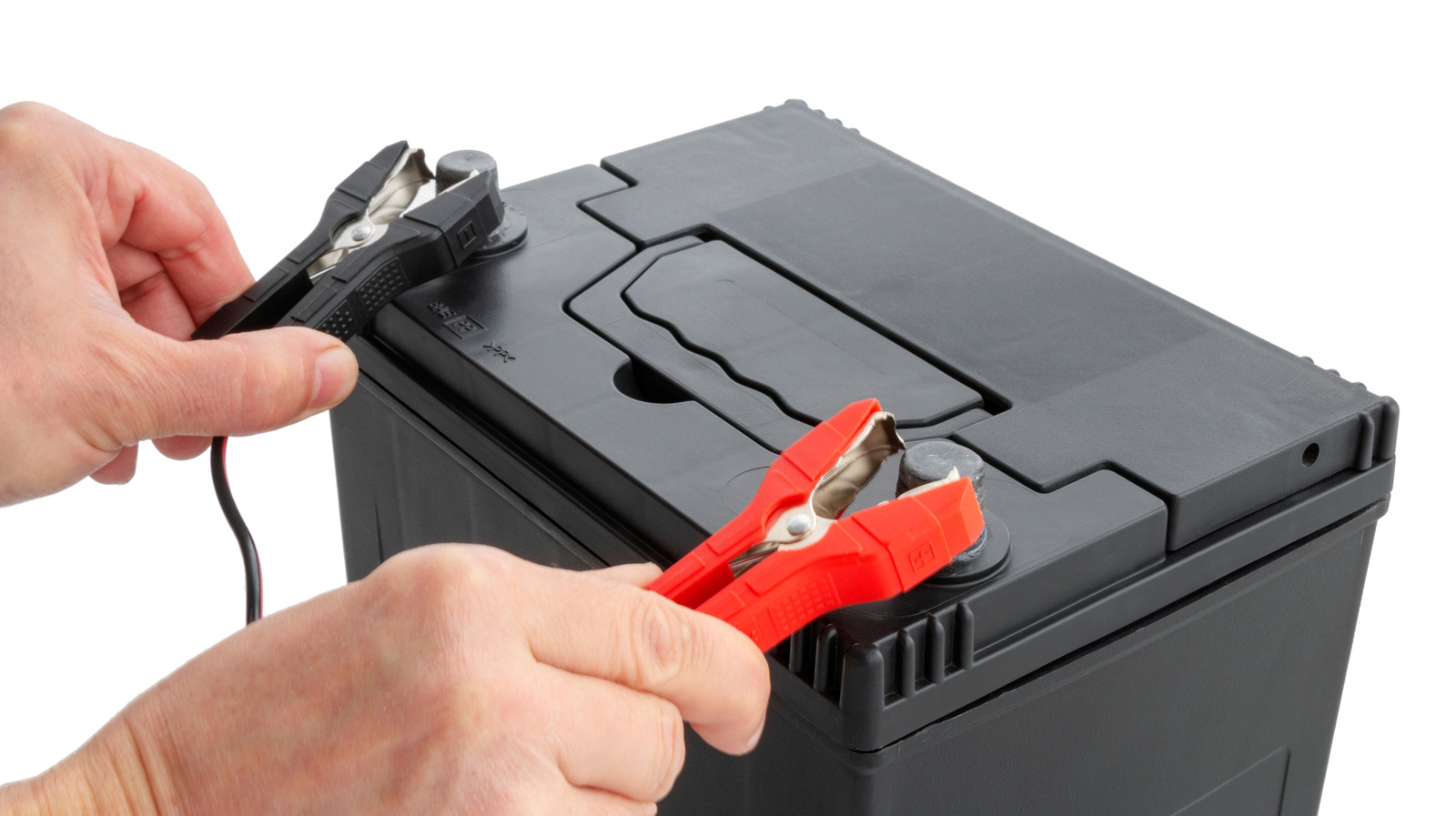
Connect the charger clamps to the battery terminals carefully. Proper connection prevents sparks and damage.
| Charger Clamp | Battery Terminal |
| Red (Positive +) | Positive (+) terminal |
| Black (Negative -) | Negative (-) terminal |
Attach the red clamp to the positive terminal first. Then connect the black clamp to the negative terminal. Double-check the connections before turning on the charger.
Monitor Charging Process
Keep an eye on the battery and charger while charging. This helps avoid overcharging and overheating.
- Check the charger’s gauge or display regularly.
- Look for any swelling or leaking on the battery.
- Stop charging once the battery is full.
- Unplug the charger before removing clamps.
Jump Starting The Battery
Car batteries can lose charge for various reasons. Jump starting helps get your car running again. Follow these steps to safely charge your auto battery using jumper cables.
Position The Vehicles
Park both cars close enough for the jumper cables to reach. Make sure cars do not touch each other. Turn off the engines of both vehicles before starting the process.
- Ensure brakes are engaged in both cars
- Open hoods for easy access to batteries
- Identify battery terminals: positive (+) and negative (-)
Connect Jumper Cables Correctly
Proper connection of jumper cables is crucial. Attach one red clamp to the dead battery’s positive terminal. Connect the other red clamp to the positive terminal of the good battery.
Next, attach one black clamp to the good battery’s negative terminal. Connect the other black clamp to an unpainted metal surface on the car with the dead battery. This reduces the risk of sparks.
- Red clamp = Positive terminal
- Black clamp = Negative terminal
- Connect in order: positive, positive, negative, ground
Start The Engine Safely
Start the engine of the car with the good battery first. Let it run for a few minutes. This charges the dead battery.
Try starting the car with the dead battery. If it starts, let both engines run for a while. This ensures the battery gains enough charge.
- Run the working car for a few minutes
- Attempt to start the stalled car
- If unsuccessful, wait longer and retry

Credit: www.youtube.com
Post-charging Tips
After charging your auto battery, take extra care to ensure safety and battery health. Proper steps help your battery last longer and work well.
Follow these tips to disconnect your charger safely, test the battery, and keep it in good condition.
Disconnecting Equipment Properly
Turn off the charger before removing any cables. Always disconnect the negative (black) cable first, then the positive (red) cable. This order reduces sparks and risk of shock.
- Switch off the charger
- Remove the negative cable
- Remove the positive cable
- Store cables safely
Testing Battery Health
Check your battery’s condition after charging. Use a voltmeter or multimeter to measure voltage. A healthy battery shows about 12.6 volts when fully charged.
| Battery Condition | Voltage Range |
| Fully Charged | 12.6 – 12.8 V |
| Needs Charging | 12.4 – 12.6 V |
| Discharged | Below 12.4 V |
Maintaining Battery Life
Keep your battery clean and secure. Check the terminals often for corrosion. Keep the battery charged if the vehicle is unused for a long time.
- Clean terminals with a baking soda solution
- Tighten loose connections
- Store battery in a cool, dry place
- Charge battery every few weeks if not used
Common Charging Mistakes
Charging a car battery seems simple but many make avoidable errors. These mistakes can damage the battery or make charging unsafe.
Learning the common charging mistakes helps keep your battery healthy and extends its life.
Overcharging Risks
Overcharging happens when the battery gets more charge than it needs. This causes heat and can damage the battery plates.
- Shortens battery life
- May cause battery to leak acid
- Can lead to battery swelling or explosion
Incorrect Cable Connections
Connecting cables the wrong way risks sparks or battery damage. The red cable must connect to positive terminals, and black to negative.
| Common Mistake | Effect |
| Red cable on negative terminal | Sparks and short circuits |
| Black cable on positive terminal | Battery damage or fire risk |
| Loose connections | Poor charging or no charge |
Ignoring Battery Maintenance
Many skip battery upkeep which lowers charging success. Check battery water and clean terminals often.
Simple maintenance tips include:
- Check electrolyte levels regularly
- Clean corrosion from battery terminals
- Tighten loose connections
- Store battery in a cool, dry place
Credit: www.slashgear.com
Frequently Asked Questions
How Do I Safely Charge A Car Battery At Home?
To safely charge a car battery, use a compatible charger and work in a ventilated area. Connect positive to positive, negative to negative terminals. Avoid sparks and flames. Follow the charger’s instructions carefully to prevent damage or injury.
What Is The Best Charger For An Auto Battery?
A smart charger is best for auto batteries. It automatically adjusts charging speed, prevents overcharging, and maintains battery health. Look for chargers with features like trickle charge, compatibility with your battery type, and safety protections.
How Long Does It Take To Charge A Car Battery?
Charging time varies by battery size and charger type. Typically, it takes 4 to 24 hours with a standard charger. Smart chargers may take longer but ensure a full, safe charge without damaging the battery.
Can I Charge A Car Battery Without Removing It?
Yes, you can charge a car battery without removing it. Ensure the charger cables are securely connected to the battery terminals. Keep the charger away from moving engine parts and follow safety guidelines to avoid accidents.
Conclusion
Charging an auto battery is simple with the right steps. Always connect the charger carefully and check the battery’s condition. Keep safety in mind to avoid accidents. Regularly charging your battery can help your car start smoothly. Follow the guide, and you will save time and money.
Taking care of your battery keeps your vehicle ready to go. Try these tips next time your battery runs low. Easy and safe charging makes a big difference.