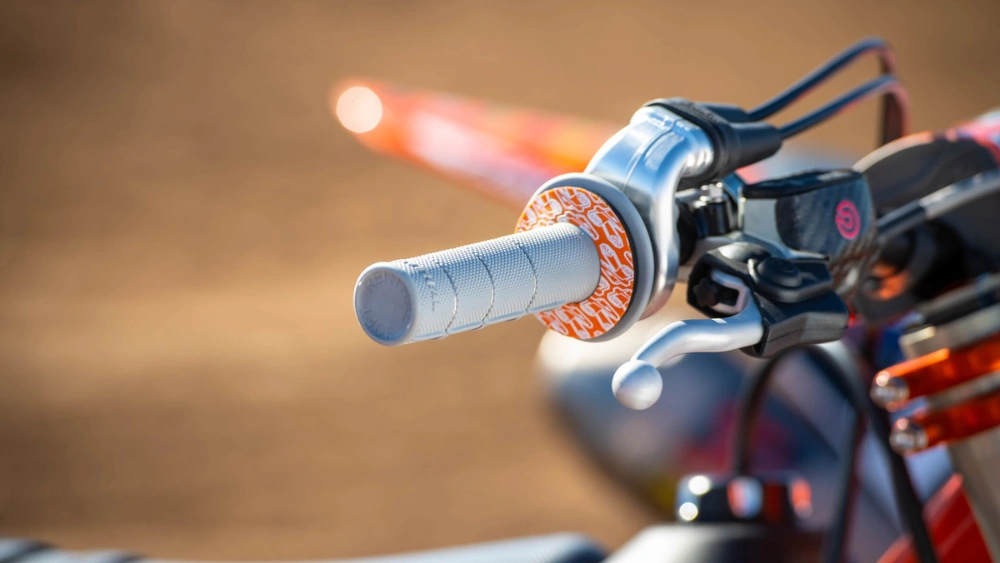
If you’ve ever felt uncomfortable or slippery grips while riding your motorcycle, it’s time for a change. Changing your motorcycle grips is a simple upgrade that can make a big difference in your comfort and control.
You don’t need special tools or skills to do it yourself, and this guide will walk you through every step. By the end, you’ll know exactly how to replace your grips quickly and safely, so your rides feel smoother and more enjoyable.
Ready to get started? Let’s dive in!
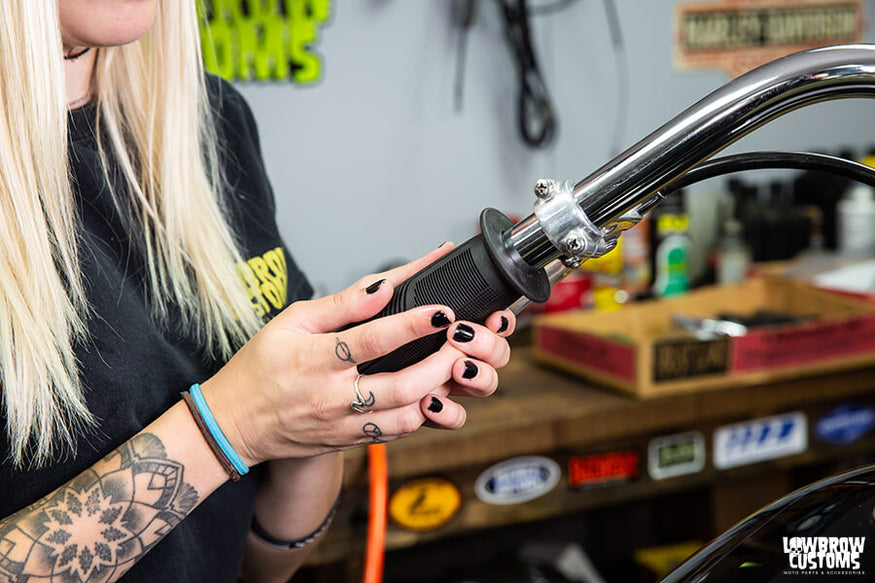
Credit: www.lowbrowcustoms.com
Tools Needed
Changing grips on a motorcycle needs the right tools. Using the proper tools makes the job safer and easier.
This guide shows the tools you must have and some optional accessories to help you work better.
Essential Tools List
You need some basic tools to remove old grips and fit new ones. These tools help you work cleanly and safely.
- Screwdriver (flathead or Phillips) to remove bar end weights
- Utility knife or razor blade to cut old grips off
- Rubbing alcohol or grip cleaner to clean the handlebar
- Compressed air or a small air compressor to help slide new grips on
- Rubber gloves to protect your hands and get better grip
- Clean cloth to wipe the handlebars
Optional Accessories
These accessories are not required but can make the job easier and improve grip fit.
- Grip glue or adhesive spray to secure grips firmly
- Hair spray as a temporary lubricant that dries to hold grips tight
- Compressed air nozzle attachments for better air flow control
- Plastic pry tools to help remove grips without damaging handlebars
- Heat gun or hair dryer to soften grips for easier removal
- Alcohol wipes for quick cleaning of handlebar surfaces

Credit: www.youtube.com
Choosing New Grips
Changing motorcycle grips improves your riding comfort and control. Picking the right grips depends on several factors.
Consider materials, size, and style to find grips that fit your needs and bike.
Material Types
Grip materials affect feel, durability, and grip on the handlebars. Common materials include rubber, foam, and silicone.
- Rubber:Durable and provides good grip in wet or dry conditions.
- Foam:Soft and absorbs vibration well but wears faster.
- Silicone:Offers excellent grip and comfort, and resists weather damage.
- Leather:Stylish but can be slippery when wet.
Size And Comfort
Grips come in different diameters and lengths. The size affects how your hands feel while riding.
| Grip Size | Comfort Effect |
| Small Diameter | Easier to hold for small hands |
| Large Diameter | Better for reducing hand fatigue |
| Standard Length | Fits most motorcycles |
| Extended Length | Used for custom handlebars |
Style Options
Choose a style that matches your bike and personal taste. Styles vary in color, texture, and design.
Popular style features include:
- Ribbed grips for extra control
- Chrome or metal end caps for a custom look
- Two-tone colors for style and visibility
- Patterned surfaces for improved grip
Removing Old Grips
Changing motorcycle grips improves comfort and control. Removing old grips is the first step.
This guide helps you remove grips safely and cleanly before installing new ones.
Safety Precautions
Wear gloves to protect your hands from sharp tools and chemicals. Work in a well-ventilated area.
Keep the motorcycle stable and turned off during the process to avoid accidents.
- Wear protective gloves
- Work in a ventilated space
- Make sure the bike is off and stable
Loosening Techniques
Use a flathead screwdriver or a utility knife to loosen the old grip. Be careful not to scratch the handlebar.
Apply rubbing alcohol or soapy water under the grip to reduce friction. Twist and pull the grip off slowly.
- Insert a flat tool between grip and handlebar
- Add rubbing alcohol or soapy water
- Twist and pull the grip off gently
Cleaning The Handlebar
Remove any leftover glue or dirt on the handlebar with a clean cloth and rubbing alcohol.
Make sure the handlebar is dry and smooth before installing new grips to ensure a tight fit.
- Wipe handlebar with rubbing alcohol
- Remove glue and debris fully
- Let handlebar dry completely
Installing New Grips
Changing motorcycle grips can improve comfort and control. Installing new grips is a simple task.
This guide explains how to install new grips step-by-step. Follow the instructions carefully for best results.
Applying Grip Glue Or Adhesive
Grip glue helps keep the grips firmly in place. Use a glue made for motorcycle grips for safety.
Apply a small amount of glue inside the grip. Avoid using too much to prevent mess and slipping.
- Wear gloves to protect your hands.
- Use a brush or nozzle to spread glue evenly inside.
- Do not let the glue dry before sliding the grip on.
Sliding Grips Into Place
Slide the grip onto the handlebar quickly after applying glue. Twisting the grip helps it slide on easily.
If the grip is tight, use a little rubbing alcohol or soapy water to help slide it on. Do not use oil.
- Align the grip with the throttle or brake controls.
- Push the grip until it fits fully against the handlebar end.
- Hold the grip firmly to keep it from moving.
Adjusting And Aligning
Check the grip alignment before the glue sets. Adjust the position for comfort and control.
The grip should be straight and easy to hold. Make sure it does not block any controls or switches.
- Move the grip slightly if it feels off-center.
- Make sure both grips match in angle and placement.
- Allow the glue to dry fully before riding your motorcycle.
Testing And Final Adjustments
After installing new grips on your motorcycle, testing them is key. This step ensures they fit well and work safely.
Final adjustments help improve comfort and control. Take time to check everything before your next ride.
Checking Grip Security
Make sure grips are tight and do not twist on the handlebar. Loose grips can cause accidents.
- Hold the grip firmly and try to twist it.
- Check if the grip moves or slides.
- Look for any gaps between the grip and handlebar.
- If loose, remove and reapply grip glue or adhesive.
Comfort And Control Test
Comfort and control affect how well you ride. Test the grips by simulating real riding conditions.
- Hold the grips as you would while riding.
- Squeeze and release to feel the grip texture.
- Check if your hands feel strained or uncomfortable.
- Try turning the throttle and clutch levers.
- Make small adjustments if needed for better comfort.
Troubleshooting Common Issues
| Issue | Cause | Solution |
|---|---|---|
| Grip slips while riding | Loose fit or no adhesive | Reapply grip glue and let it dry fully |
| Hands feel numb or tired | Grip too hard or wrong size | Try softer or different sized grips |
| Throttle sticks or is hard to turn | Grip too thick or wrong throttle tube | Use correct grip or adjust throttle tube |
| Grip tears or wears quickly | Poor material or rough installation | Use quality grips and install carefully |
Maintenance Tips
Keeping your motorcycle in top condition is crucial for safety and performance. Proper grip maintenance ensures a comfortable and secure ride.
Learning how to change grips will help you maintain control and comfort on your journeys. Follow these tips for the best results.
Cleaning Your Grips
Regular cleaning of your motorcycle grips helps extend their lifespan. Dirt and grime can make them slippery and uncomfortable.
- Use a mild soap and water solution for cleaning.
- Avoid using harsh chemicals that may damage the rubber.
- Dry them thoroughly with a clean towel before use.
When To Replace Grips Again
Knowing when to replace your grips is important for maintaining control. Worn grips can affect your handling and comfort.
| Condition | Action |
| Visible wear and tear | Replace immediately |
| Loss of grip texture | Consider replacement |
| Uncomfortable during rides | Evaluate for replacement |
Credit: www.lowbrowcustoms.com
Frequently Asked Questions
How Do I Remove Old Grips Safely?
To remove old grips safely, use a flathead screwdriver to loosen them carefully. Apply rubbing alcohol or grip glue remover to ease removal without damaging the handlebar.
What Tools Do I Need To Change Motorcycle Grips?
You need a flathead screwdriver, rubbing alcohol or grip glue remover, and new grips. Optionally, compressed air can help slide new grips on smoothly.
How Long Does It Take To Change Motorcycle Grips?
Changing grips typically takes 15 to 30 minutes. It depends on your experience and the grip type, but the process is straightforward with proper tools.
Can I Reuse Old Grips On My Motorcycle?
Reusing old grips is not recommended. They wear out, lose grip, and can become unsafe. Always replace grips for better control and comfort.
Conclusion
Changing motorcycle grips can improve your riding comfort and control. The process is simple and does not take much time. With basic tools and steps, anyone can do it at home. Clean the handlebar well before installing new grips for better hold.
Take your time to avoid mistakes and ensure safety. Regular grip changes keep your motorcycle feeling fresh and responsive. Enjoy your ride with grips that fit your style and needs perfectly. Give your bike a small upgrade that makes a big difference.