
If you need extra space to carry ladders or long tools, building a truck ladder rack is the perfect solution. Imagine having more room in your truck bed, keeping your gear safe and organized while freeing up space inside your vehicle.
You might think it’s complicated or expensive, but with the right steps, you can build a sturdy, custom ladder rack yourself. Keep reading, and you’ll discover simple tips and clear instructions that will save you time and money—turning your truck into a powerful, efficient workhorse.
Ready to get started? Let’s dive in.
Choosing The Right Materials
Building a truck ladder rack needs the right materials. The materials must hold weight and resist weather.
This guide covers which metals to pick and the tools needed for a strong rack.
Selecting Durable Metals
Metals for ladder racks must be strong and last long. Steel and aluminum are common choices.
- Steel:Very strong and heavy. It holds large loads well.
- Aluminum:Lightweight and rust-resistant. Easier to handle but not as strong as steel.
- Stainless Steel:Strong and rust-free. It costs more but needs less care.
Pick metals that fit your budget and how much weight you will carry.
Essential Tools And Hardware
You need certain tools and hardware to build a secure ladder rack. This table shows what is essential.
| Tool or Hardware | Purpose | Notes |
|---|---|---|
| Angle Grinder | Cut metal pieces to size | Use with safety gear |
| Welding Machine | Join metal parts | Ensure proper welding for strength |
| Drill | Make holes for bolts | Use metal drill bits |
| Bolts and Nuts | Fasten parts securely | Choose rust-resistant types |
| Measuring Tape | Measure metal accurately | Essential for precise cuts |
Measuring And Planning
Building a truck ladder rack needs careful measuring and planning. This step helps ensure the rack fits well and holds the load safely.
Taking accurate measurements and designing for load capacity are key parts of this process. These steps keep your rack strong and stable.
Taking Accurate Truck Measurements
Measure your truck’s bed length, width, and height carefully. Use a tape measure and write down each number.
Check for any obstructions like toolboxes or wheel wells. These affect how the rack will fit.
- Measure the bed length from front to back
- Measure the bed width from side to side
- Measure the height from the bed floor to the top edge
- Note any parts that stick out inside the bed
Designing For Load Capacity
Think about the weight the rack will carry. Plan the design to hold more than your expected load.
Use strong materials and support bars. Spread the weight evenly across the rack.
- Decide the maximum load weight
- Choose materials that match the weight needs
- Add crossbars for extra support
- Make sure the rack attaches firmly to the truck
Cutting And Preparing Components
Building a truck ladder rack starts with cutting and preparing all parts. Accurate cuts ensure the rack fits well and stays strong.
Use the right tools and techniques to avoid mistakes. Proper preparation helps keep the rack safe and durable.
Safe Cutting Techniques
Always wear safety gear like gloves and goggles before cutting metal or wood. Keep your workspace clean and well-lit to avoid accidents.
- Measure twice, cut once to avoid mistakes.
- Use clamps to hold materials steady.
- Cut slowly and steadily with the right saw or grinder.
- Keep hands clear of the cutting path at all times.
- Check your tools regularly for damage or dull blades.
Smoothing And Finishing Edges
After cutting, smooth all edges to prevent injuries and improve the rack’s look. Use a file or sandpaper for best results.
| Tool | Purpose | Tip |
| Metal File | Remove sharp burrs | Use long, even strokes |
| Sandpaper (120-220 grit) | Smooth rough surfaces | Wrap around a block for flat edges |
| Angle Grinder | Quick edge shaping | Use light pressure to avoid damage |
Credit: www.ridgelineownersclub.com
Assembling The Rack Frame
Building a truck ladder rack starts with assembling a strong frame. This frame holds the entire structure together. You need to join metal pieces tightly and make sure the frame is stable.
Using the right tools and methods will help you build a rack that lasts. Follow the steps carefully for a safe and durable rack.
Joining Metal Pieces Securely
Secure joints keep the rack frame from wobbling or breaking. Use bolts, welds, or screws based on your materials and tools. Clean metal surfaces before joining to get a strong bond.
- Align metal pieces correctly before fastening.
- Use clamps to hold pieces in place during joining.
- Choose the right bolt size and grade for strength.
- Apply rust-resistant coatings to exposed metal joints.
- Double-check all connections for tightness.
Ensuring Structural Stability
Structural stability keeps the ladder rack safe during use. Add support braces and crossbars to reduce movement. Test the frame by applying pressure before final installation.
| Component | Purpose | Material |
| Support Braces | Prevent side-to-side sway | Steel or Aluminum |
| Crossbars | Distribute weight evenly | Steel Tubing |
| Base Frame | Hold rack to truck bed | Heavy-Duty Metal |
| Fasteners | Secure all parts firmly | Bolts, Nuts, and Washers |
Mounting The Rack On The Truck
Mounting a truck ladder rack requires care to keep it strong and safe. You need to secure it well to avoid movement.
This guide shows how to attach the rack using bolts and brackets. It also covers how to adjust the rack for a perfect fit.
Attaching Using Bolts And Brackets
Start by placing the rack on your truck bed. Make sure the brackets line up with the mounting points on your truck.
Use bolts that fit the holes in the brackets and truck frame. Tighten bolts with a wrench but do not over-tighten them.
- Check that all bolts go through the rack and truck frame holes
- Use washers to spread the bolt pressure evenly
- Tighten bolts in a crisscross pattern for even pressure
Adjusting For A Perfect Fit
After attaching the rack, check its position on the truck. The rack should sit straight and not tilt.
Loosen the bolts slightly to move the rack if needed. Adjust the height and angle until it fits well.
- Measure the distance from the rack to the truck bed on both sides
- Make sure the rack does not block your rear view
- Tighten all bolts again after adjusting
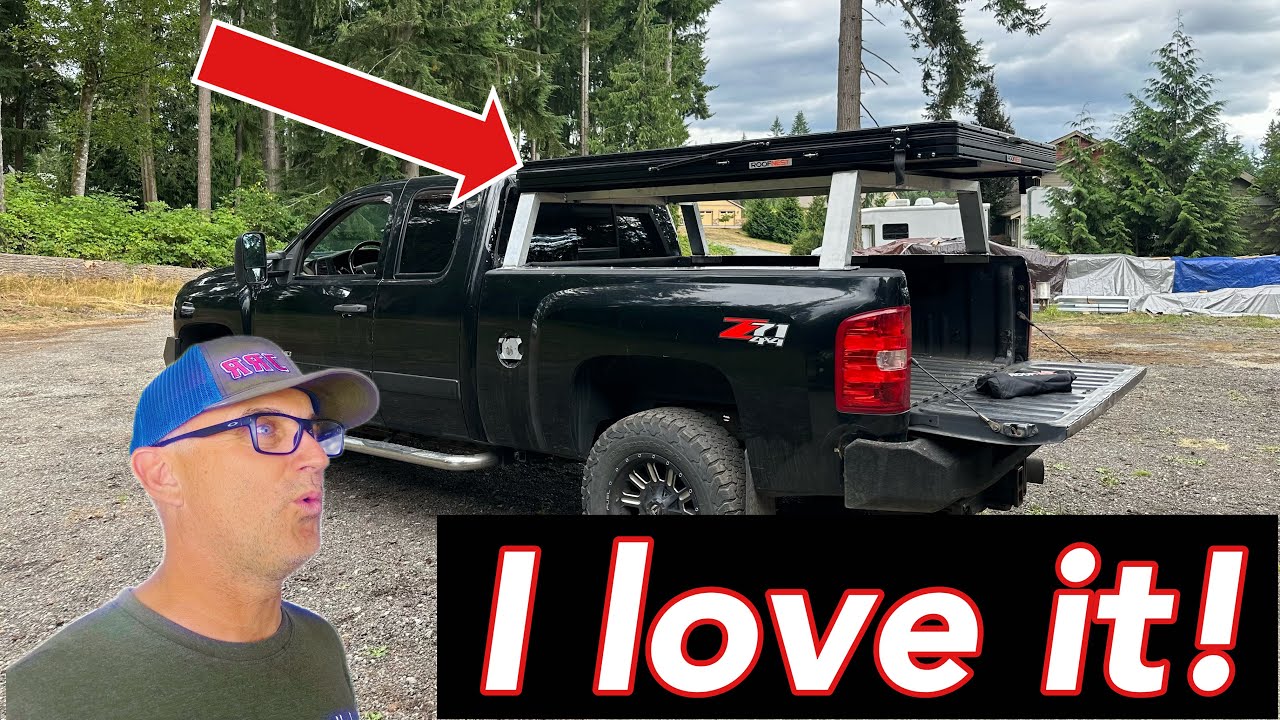
Credit: www.youtube.com
Adding Protective Coatings
Building a truck ladder rack is a great project. It helps carry long items safely. Adding protective coatings makes the rack last longer. It stops rust and keeps it looking new.
Protective coatings guard against weather damage. They are important for keeping your rack strong. Let’s look at two ways to add these coatings.
Applying Rust-resistant Paint
Rust-resistant paint helps prevent metal from rusting. It is a barrier against moisture and air. This paint is easy to apply and dries quickly.
Choose a paint that matches your rack material. Clean the surface before painting. A smooth surface helps the paint stick better.
- Use a brush or spray can for application
- Apply two coats for better protection
- Let each coat dry completely
Using Sealants For Weatherproofing
Sealants block water and air from reaching the metal. They fill gaps and prevent leaks. This makes the rack more durable in harsh weather.
Choose a sealant made for outdoor use. It should be flexible and long-lasting. Apply it along joints and edges.
- Use a caulking gun for even application
- Check sealant regularly for any wear
- Reapply as needed to maintain protection
Testing And Maintenance Tips
Building a truck ladder rack requires attention to safety and durability. Testing and maintenance ensure it works well and lasts long.
Regular checks and tests help in keeping the ladder rack secure. Follow these tips to maintain its strength and functionality.
Load Testing Procedures
Load testing checks if the rack can handle the weight. This step is vital for safety and performance.
Start by placing weights gradually on the rack. Make sure the weight is evenly distributed to prevent damage.
- Use weights that match your expected load.
- Observe any bending or unusual sounds.
- Check the stability of the rack under load.
Routine Inspection And Upkeep
Regular inspections help in spotting issues early. Keep the ladder rack in good shape with simple checks.
Look for rust, loose bolts, and cracks. Fixing small problems prevents bigger issues later.
- Inspect all joints and connections monthly.
- Clean the rack to remove dirt and debris.
- Apply anti-rust spray to metal parts.
- Tighten any loose bolts immediately.

Credit: www.reddit.com
Frequently Asked Questions
What Materials Are Best For Building A Truck Ladder Rack?
Steel and aluminum are the best materials for ladder racks. Steel offers strength and durability. Aluminum is lightweight and resistant to rust. Choose based on your truck’s weight capacity and usage needs. Both materials ensure long-lasting support for your ladder.
How Do I Measure My Truck For A Ladder Rack?
Measure your truck bed length and width accurately. Check the height clearance needed for your ladder. Measure mounting points or rails if available. These measurements ensure the rack fits securely and safely. Proper sizing avoids installation issues.
Can I Install A Ladder Rack Myself?
Yes, you can install a ladder rack yourself with basic tools. Follow the manufacturer’s instructions carefully. Ensure proper alignment and secure mounting to prevent damage. DIY installation saves money but requires careful attention to detail. Seek help if unsure.
How Much Weight Can A Truck Ladder Rack Hold?
Most ladder racks support 300 to 1000 pounds. Weight capacity depends on rack material and design. Always check the manufacturer’s specifications for your model. Do not exceed the weight limit to ensure safety. Proper loading extends the rack’s lifespan.
Conclusion
Building a truck ladder rack takes time and care. Follow each step to ensure a strong rack. Use the right tools and materials for safety. Check your work often to avoid mistakes. A good rack will last for years. You can carry ladders and gear easily.
This project saves money and adds value to your truck. Enjoy the pride of building something useful. Keep your truck organized and ready for work. Simple effort leads to great results.