
If you want to tow a trailer safely and securely, knowing how to attach a trailer hitch to your truck is a must. You might think it’s complicated, but with the right steps, you can do it yourself without stress.
Imagine hitting the road with confidence, knowing your trailer is firmly connected and ready for the trip. In this guide, you’ll discover simple, clear instructions that make the process easy—even if you’ve never done it before. Keep reading, and you’ll be ready to tow like a pro in no time.
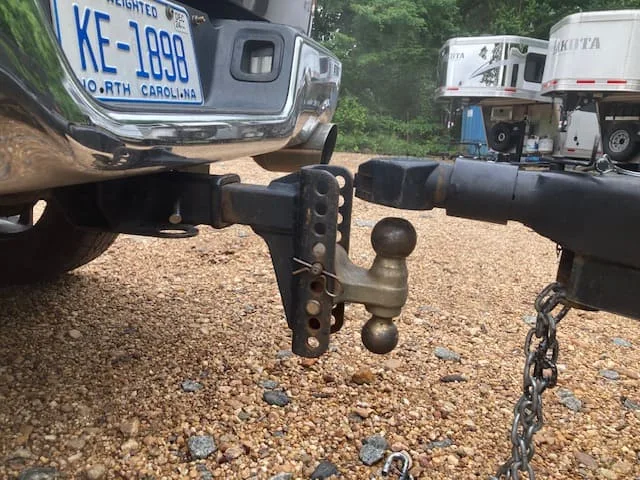
Credit: www.kenfeagintruckandtrailer.com
Choosing The Right Hitch
Attaching a trailer hitch to your truck needs careful choice. The right hitch makes towing safe and easy. You must know different types and how they fit your truck.
This guide helps you pick the best hitch. It covers types, hitch classes, and tools you need for the job.
Types Of Trailer Hitches
Trailer hitches come in several types. Each type fits different towing needs and truck styles. Choosing the correct type is important for stability and load capacity.
- Receiver Hitch:Most common. It has a square receiver tube. You can add different ball mounts or accessories.
- Fifth Wheel Hitch:Mounted inside the truck bed. Used for heavy loads like campers and large trailers.
- Gooseneck Hitch:Also inside the truck bed. It offers a tight turning radius and strong connection for heavy trailers.
- Weight Distribution Hitch:Helps balance the trailer weight. It reduces sway and improves control.
- Bumper Hitch:Connects to the truck’s bumper. Suitable for light loads but less common.
Matching Hitch Class To Truck
Hitches come in classes based on weight limits. Match the hitch class to your truck’s towing capacity. Using the wrong class can be unsafe and cause damage.
| Hitch Class | Max Tongue Weight | Max Trailer Weight | Typical Use |
|---|---|---|---|
| Class I | 200 lbs | 2,000 lbs | Small trailers, bikes |
| Class II | 350 lbs | 3,500 lbs | Light boats, campers |
| Class III | 600 lbs | 6,000 lbs | Medium trailers, campers |
| Class IV | 1,000 lbs | 10,000 lbs | Heavy trailers, horse trailers |
| Class V | 1,200 lbs | 12,000 lbs | Large campers, commercial use |
Tools And Materials Needed
Prepare all tools and materials before attaching the hitch. This helps the installation go smoothly and safely.
- Trailer hitch kit matching your truck
- Socket wrench set
- Torque wrench
- Safety glasses
- Work gloves
- Lubricant spray
- Measuring tape
- Jack and stands (if needed to lift truck)

Credit: www.youtube.com
Preparing Your Truck
Before attaching a trailer hitch, you need to prepare your truck well. This makes the process easier and safer.
Proper preparation helps avoid problems and ensures the hitch fits correctly.
Clearing The Mounting Area
Start by removing any dirt, rust, or debris from the hitch mounting area. A clean area helps the hitch sit properly.
Use a wire brush or rag to clean the frame where the hitch will attach.
- Remove mud or grease
- Clear away rust flakes
- Make sure the area is dry
Inspecting The Frame
Check your truck’s frame for damage or rust before installation. The frame must be strong and solid.
Look for cracks, dents, or weak spots. If the frame is damaged, fix it before attaching the hitch.
- Check for rust spots
- Look for cracks or bends
- Ensure all bolts and holes are intact
Gathering Safety Gear
Wear safety gear to protect yourself during the hitch installation. Safety helps prevent injuries.
Prepare gloves, safety glasses, and sturdy shoes before you start working.
- Gloves to protect your hands
- Safety glasses to shield your eyes
- Closed-toe shoes for foot safety
- Use a jack stand if lifting the truck
Installing The Hitch
Installing a trailer hitch on your truck is important for safe towing. This guide helps you attach the hitch correctly.
Follow the steps carefully. Use the right tools and parts to secure the hitch firmly to your truck.
Aligning The Hitch To The Frame
Start by placing the hitch under the truck frame. Make sure it matches the frame’s shape and bolt holes.
Adjust the hitch until all holes line up. This step ensures the hitch fits perfectly before you tighten it.
Securing Bolts And Hardware
Use the bolts and hardware that came with your hitch kit. Insert bolts through the hitch and frame holes.
- Hand-tighten all bolts first to keep the hitch in place.
- Check that washers and nuts are on the correct sides.
- Use a wrench to tighten bolts evenly, but do not fully torque yet.
- Make sure no parts are loose or misaligned before final tightening.
Torque Specifications
Correct torque on bolts is key for safety. Too loose means risk of failure. Too tight may damage parts.
| Bolt Size | Torque (ft-lbs) |
| 1/2 inch | 75 |
| 9/16 inch | 125 |
| 5/8 inch | 175 |
| 3/4 inch | 250 |
Use a torque wrench to tighten bolts to these values. Check your hitch manual for exact specs.
Wiring The Trailer Lights
Wiring trailer lights is important for safe towing. It helps other drivers see your signals and brake lights.
This guide shows how to connect the wiring harness, plug in electrical connectors, and test the trailer lights.
Locating The Wiring Harness
First, find the truck’s wiring harness near the rear bumper. It is usually a bundle of wires with a plug or socket.
Look under the truck bed or near the tail lights. The harness may be covered with a plastic clip or tape.
Connecting Electrical Plugs
Match the trailer plug to the truck’s wiring harness. Most trailers use a 4-pin or 7-pin connector.
- Align the pins carefully before pushing the plug in.
- Secure the connection with a locking tab or clip.
- Use dielectric grease to prevent corrosion on the connectors.
- Wrap the wires with electrical tape if needed to avoid loose ends.
Testing The Lights
Test all trailer lights after connecting the wiring. Check turn signals, brake lights, and running lights.
| Light Type | What to Check | Expected Result |
| Turn Signal | Left and right blinking | Flashing on correct side |
| Brake Lights | Press brake pedal | Lights turn on at the back |
| Running Lights | Headlights on | Steady light on trailer |
Final Checks And Safety Tips
Attaching a trailer hitch to your truck is important for towing safely. Before you drive, check everything carefully. This helps avoid accidents and damage.
Follow these tips to make sure your hitch is secure and ready for use. Safety is the top priority when towing trailers.
Double-checking Fasteners
Check all bolts and nuts after installing the hitch. Tighten them to the correct torque using a wrench. Loose fasteners can cause the hitch to fail.
Inspect the fasteners again after driving a short distance. Vibrations can loosen bolts, so make sure they stay tight.
- Use a torque wrench for accuracy
- Do not overtighten, follow manufacturer specs
- Check fasteners before every trip
Loading And Weight Distribution
Evenly load your trailer to keep balance. Uneven weight can make the truck unstable. The hitch must handle the trailer’s weight safely.
Place heavier items near the front of the trailer. Make sure the tongue weight is within the hitch’s limits. Proper weight distribution helps with control and braking.
- Keep tongue weight at 10-15% of trailer weight
- Distribute cargo evenly side-to-side
- Check truck and trailer weight ratings
Maintaining The Hitch
Clean the hitch regularly to remove dirt and rust. Use grease on moving parts to prevent wear. A well-maintained hitch lasts longer and works better.
Inspect the hitch for cracks or damage before each use. Replace any worn or broken parts right away. Safety depends on a strong, well-kept hitch.
- Clean hitch after exposure to water or salt
- Lubricate ball and moving parts
- Replace damaged components immediately

Credit: www.youtube.com
Frequently Asked Questions
How Do I Choose The Right Trailer Hitch For My Truck?
Select a hitch based on your truck’s towing capacity and trailer weight. Check the receiver size and class rating. Matching these ensures safe and efficient towing performance.
What Tools Are Needed To Attach A Trailer Hitch?
You’ll need a socket set, torque wrench, screwdrivers, and possibly a drill. These tools help securely fasten the hitch to your truck’s frame.
Can I Install A Trailer Hitch Myself Safely?
Yes, with proper tools and instructions, DIY installation is possible. Follow the manufacturer’s manual carefully to ensure correct attachment and safety.
How Do I Maintain My Trailer Hitch After Installation?
Regularly inspect for rust, tightness, and damage. Clean and lubricate moving parts to prevent wear and ensure reliable towing performance.
Conclusion
Attaching a trailer hitch to your truck is easier than it seems. Follow each step carefully for a safe fit. Use the right tools and check all bolts tightly. Double-check your work before towing anything heavy. A secure hitch keeps your truck and trailer safe.
Take your time and ask for help if needed. Now, your truck is ready to tow with confidence. Enjoy your new towing setup on the road!