
If you own a truck, adding a tow hitch can open up a world of possibilities. Whether you want to haul a trailer, carry bikes, or tow a boat, a tow hitch makes it easier and safer.
But how do you add one yourself without spending a fortune? This guide will walk you through simple, clear steps that anyone can follow. By the end, you’ll know exactly what to do to get your truck ready for heavy-duty tasks.
Ready to upgrade your truck’s capabilities? Let’s dive in!
Choosing The Right Tow Hitch
Adding a tow hitch to your truck lets you haul trailers and heavy gear. Picking the right hitch makes towing safe and easy.
Know the types of hitches, match the hitch class to your needs, and gather the right tools before you start.
Types Of Tow Hitches
Tow hitches come in different styles. Each type fits certain trailers and towing tasks.
- Receiver Hitch:The most common, it fits into a square receiver tube on the truck.
- Gooseneck Hitch:Used for heavy trailers, it mounts in the truck bed.
- Fifth Wheel Hitch:Similar to gooseneck but offers more stability for large trailers.
- Bumper Hitch:Attaches directly to the bumper, good for light towing.
Matching Hitch Class With Towing Needs
Tow hitches have classes. Each class holds a different weight. Match the class to what you want to tow.
| Hitch Class | Max Tongue Weight | Max Trailer Weight |
| Class I | 200 lbs (90 kg) | 2,000 lbs (907 kg) |
| Class II | 350 lbs (159 kg) | 3,500 lbs (1588 kg) |
| Class III | 600 lbs (272 kg) | 6,000 lbs (2721 kg) |
| Class IV | 1,000 lbs (454 kg) | 10,000 lbs (4536 kg) |
| Class V | 1,200 lbs (544 kg) | 12,000 lbs (5443 kg) |
Essential Tools And Materials
Gather tools and materials before installing. This helps make the job smoother and faster.
- Socket wrench set
- Torque wrench
- Drill with bits
- Measuring tape
- Safety glasses and gloves
- Hitch bolts and hardware kit
- Lubricant spray
- Jack stands or ramps
Preparing Your Truck
Adding a tow hitch to your truck needs good preparation. This step helps ensure a smooth and safe installation.
Focus on checking your truck’s parts and making space for the hitch. Follow safety rules during the process.
Inspecting The Frame And Bumper
Look carefully at the truck’s frame and bumper. Make sure they are strong and free from damage.
Check for rust, cracks, or bends. These problems can weaken the hitch’s hold on the truck.
- Find rust spots and clean them.
- Look for bends or cracks in the metal.
- Ensure the bumper is firmly attached.
Clearing The Installation Area
Clear the area where you will install the tow hitch. Remove dirt, grease, and debris from the frame and bumper.
This cleaning helps the hitch fit well and prevents slipping or damage during installation.
- Use a wire brush to remove rust and dirt.
- Clean with soap and water, then dry.
- Keep the workspace clear and organized.
Safety Precautions
Wear safety gear like gloves and goggles before starting work. This protects you from sharp parts and debris.
Make sure the truck is on a flat surface and use wheel chocks to stop it from moving. Follow all safety rules carefully.
- Wear gloves to protect your hands.
- Use safety glasses to shield your eyes.
- Place wheel chocks to keep the truck still.
- Work in a well-lit and ventilated area.
Installing The Tow Hitch
Adding a tow hitch to your truck lets you pull trailers and other equipment. Installing the hitch is simple if you follow the right steps carefully.
Use the right tools and parts to make sure the hitch is safe and secure. This guide covers the key points of installing a tow hitch.
Aligning The Hitch With Mounting Points
Start by positioning the tow hitch under the truck’s rear frame. The hitch must line up exactly with the factory mounting holes.
Use a helper or a jack to hold the hitch in place. Check that the holes in the hitch and truck frame match perfectly before adding bolts.
Securing Bolts And Hardware
Insert the bolts through the mounting holes in the hitch and frame. Use the hardware that came with the hitch or the truck manual’s recommendations.
Hand-tighten all bolts to keep the hitch in place. Avoid fully tightening any bolt before all bolts are started to ensure even fit.
Tightening And Torque Specifications
Use a torque wrench to tighten bolts to the correct specifications. Check the hitch manual or truck guide for exact torque values.
- Tighten bolts in a crisscross pattern for even pressure
- Do not exceed the recommended torque to avoid damage
- Double-check all bolts after tightening to confirm security

Credit: www.oreillyauto.com
Wiring The Trailer Connector
Adding a tow hitch to your truck requires wiring the trailer connector. This lets your trailer’s lights work with your truck’s electrical system. Proper wiring ensures safety on the road.
This guide covers locating the wiring harness, connecting the adapter, and testing the connections. Follow these steps carefully for correct installation.
Locating The Vehicle’s Wiring Harness
First, find the vehicle’s wiring harness near the rear bumper or under the truck bed. Look for a bundle of wires or a factory-installed connector. This is usually covered with a plastic clip or tape.
If you can’t find it, check your truck’s manual. Some trucks have the wiring harness inside the tail light assembly or behind a panel inside the bed.
Connecting The Wiring Adapter
Use a wiring adapter that matches your truck’s connector type. This adapter will connect the truck’s wiring harness to the trailer’s connector safely.
- Turn off the truck’s engine and lights.
- Plug the adapter into the vehicle’s wiring harness connector.
- Secure the adapter to prevent it from moving.
- Connect the trailer’s wiring plug to the adapter.
- Use electrical tape or zip ties to keep wires neat.
Testing The Electrical Connections
Testing the wiring ensures that all trailer lights work properly. This step is important for safety and legal compliance.
| Trailer Light | Function | Test Method |
| Turn Signal | Indicates turns | Activate turn signal, check trailer lights |
| Brake Light | Shows braking | Press brake pedal, verify trailer brake lights |
| Tail Light | Lights when headlights on | Turn on headlights, check trailer tail lights |
| Reverse Light | Indicates backing up | Put truck in reverse, check trailer reverse lights |
If any light does not work, check all connections and wiring for damage or loose plugs. Fix issues before driving with the trailer attached.
Final Checks And Maintenance
Adding a tow hitch to your truck is just the start. You need to do final checks to ensure safety. Regular maintenance keeps the hitch working well.
Taking care of your tow hitch helps avoid accidents. It also makes towing easier and safer every time.
Verifying Hitch Stability
Check that the hitch is tightly secured to the truck frame. Look for any loose bolts or parts. Tighten them if needed to stop movement.
Make sure the hitch does not wiggle or shake when you push or pull it. Stability is important for safe towing.
Regular Inspection Tips
Inspect your tow hitch before every trip. Look for rust, cracks, or damage on the hitch and mount. Check wiring for trailer lights too.
- Clean the hitch and remove dirt or rust
- Apply grease to moving parts if needed
- Replace worn or damaged parts right away
- Test trailer lights and connections often
Safe Towing Practices
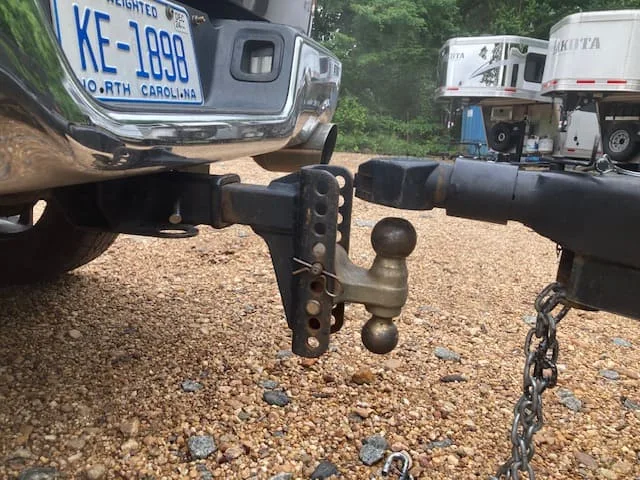
Always hook up the trailer safely to the hitch. Use safety chains and check that all connections are secure. Drive slowly on turns and rough roads.
Keep your speed steady and allow more stopping distance. Avoid sudden braking to prevent damage to the hitch and trailer.
Credit: www.kenfeagintruckandtrailer.com

Credit: www.youtube.com
Frequently Asked Questions
What Tools Are Needed To Add A Tow Hitch To A Truck?
You need a socket set, torque wrench, drill, measuring tape, and safety glasses. These tools help ensure a secure and accurate hitch installation.
How Do I Choose The Right Tow Hitch For My Truck?
Check your truck’s towing capacity and hitch class. Match the hitch type to your towing needs for safe and efficient performance.
Can I Install A Tow Hitch Myself Or Hire A Professional?
DIY installation is possible if you have basic mechanical skills. For complex models, hiring a professional ensures proper fit and safety.
How Long Does It Take To Install A Tow Hitch?
Installation typically takes 1 to 3 hours depending on your experience and truck model. Follow instructions carefully to avoid delays.
Conclusion
Adding a tow hitch to your truck can be simple and helpful. Follow the steps carefully and take your time. Choose the right hitch for your truck’s size and use. Always check the bolts and connections for safety. Test the hitch before towing anything heavy.
A proper tow hitch makes hauling easier and safer. Now, your truck can carry trailers or extra gear with confidence. Enjoy the extra power and convenience it brings.