
If you need to haul a trailer, bike rack, or cargo carrier, adding a hitch to your truck is a must. But how do you do it right without spending a fortune or risking safety?
This guide breaks down every step clearly and simply, so you can get your truck ready for towing with confidence. Whether you’re new to this or just want to make sure you don’t miss anything important, keep reading—you’ll be surprised how straightforward the process can be.
Your truck is about to become way more useful, and you’re just a few steps away from making it happen.

Credit: www.reddit.com
Choosing The Right Hitch
Adding a hitch to your truck helps you tow trailers and carry heavy loads. Picking the right hitch is key for safety and function. This guide covers the main points to consider.
Look at the types of hitches, weight limits, and if the hitch fits your truck. These details ensure you choose the best hitch for your needs.
Types Of Truck Hitches
There are several hitch types. Each one suits different towing needs and truck styles. Knowing the types helps you pick the right one.
- Receiver Hitch: Common and versatile, fits various accessories.
- Gooseneck Hitch: Used for heavy trailers, mounts in the truck bed.
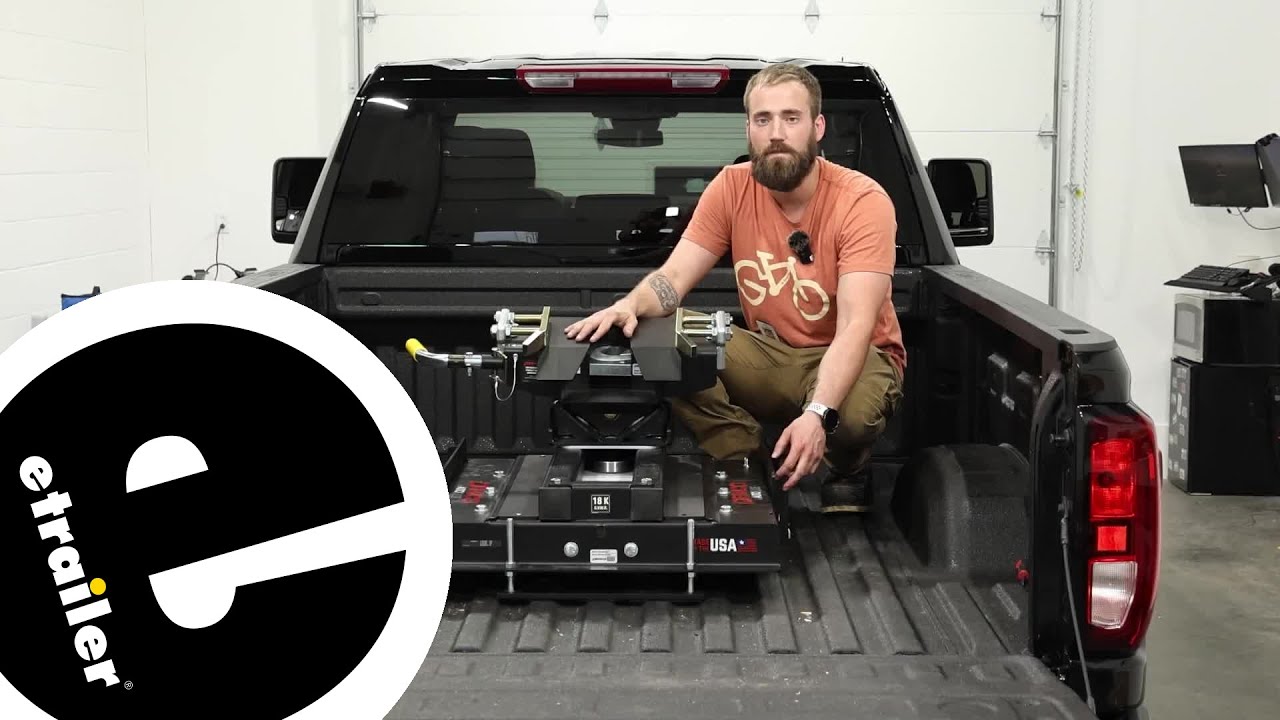
- Fifth Wheel Hitch: Also mounts in the bed, ideal for large campers.
- Bumper Hitch: Simple, attaches to the truck’s bumper.
- Weight Distribution Hitch: Helps balance heavy loads for safer towing.
Weight Ratings And Capacity
Every hitch has a weight rating. This rating shows the max weight it can safely pull or carry. Check these numbers before buying.
| Hitch Class | Max Trailer Weight | Max Tongue Weight |
| Class I | Up to 2,000 lbs | 200 lbs |
| Class II | Up to 3,500 lbs | 350 lbs |
| Class III | Up to 6,000 lbs | 600 lbs |
| Class IV | Up to 10,000 lbs | 1,000 lbs |
| Class V | Over 10,000 lbs | 1,200 lbs or more |
Compatibility With Your Truck
Your truck’s make and model affect the hitch choice. Look for hitches made for your truck’s year and style. This ensures a good fit and easy installation.
Check the following before you buy:
- Truck frame type
- Towing package availability
- Electrical connections for trailer lights
- Truck bed size and shape

Credit: www.youtube.com
Gathering Tools And Materials
Adding a hitch to your truck makes towing easier. Before starting, gather all needed tools and materials. Being prepared helps the job go smoothly.
This guide covers the essential tools, optional accessories, and safety gear you will need. Collecting these items before you begin will save time.
Essential Tools Needed
You need the right tools to install a hitch properly. These tools help you attach the hitch safely and securely.
- Socket wrench set
- Torque wrench
- Drill with metal bits
- Measuring tape
- Safety glasses
- Work gloves
- Jack and jack stands
- Breaker bar
Optional Accessories
These accessories are not required but can make the installation easier or improve your towing setup.
| Accessory | Purpose |
| Hitch ball mount | Connects trailer to hitch |
| Wire harness | Links trailer lights to truck |
| Anti-rattle device | Reduces hitch noise and movement |
| Grease or lubricant | Prevents rust and eases installation |
Safety Gear
Safety gear protects you during the hitch installation. Always wear these items to avoid injuries.
- Safety glasses to protect eyes
- Work gloves for hand protection
- Closed-toe shoes to protect feet
- Hearing protection if drilling or using loud tools
Preparing Your Truck
Before adding a hitch to your truck, you must prepare the vehicle carefully. Proper preparation makes installation easier and safer.
Focus on cleaning, clearing, and checking key areas on your truck. This ensures the hitch fits well and stays secure.
Cleaning The Mounting Area
Clean the area where the hitch will attach. Dirt and rust can stop the hitch from fitting correctly.
Use a wire brush and cloth to remove any debris. Make sure the surface is dry before continuing.
Removing Obstructions
Check for any parts or objects blocking the hitch mounting area. These might include old bolts, wires, or brackets.
Remove or move these obstructions carefully. This creates a clear space for the hitch to be installed.
Checking Frame Condition
Inspect your truck’s frame where the hitch will attach. Look for cracks, rust, or damage.
If the frame is weak or damaged, fix it before installing the hitch. A strong frame keeps the hitch safe.
Installing The Hitch
Installing a hitch on your truck lets you tow trailers and carry extra gear. Follow the right steps to fit it safely and correctly. This guide covers the main parts of the installation process.
Focus on positioning the hitch, aligning the mounting holes, and securing the bolts. Each step is important for a strong and secure connection to your truck.
Positioning The Hitch
Start by placing the hitch under the rear of your truck. Lift it carefully and align it with the frame. Make sure it fits flush against the mounting area. Check that the hitch is centered and level. This helps ensure proper weight distribution when towing.
Aligning Mounting Holes
Next, match the holes on the hitch with the holes on the truck frame. You may need a helper to hold the hitch steady. If the holes do not line up, try adjusting the hitch position slightly. Use a flashlight to see better in tight spaces.
- Check for rust or dirt in the holes
- Clear any debris that may block bolts
- Use a hammer or rubber mallet if needed to tap the hitch gently
- Ensure all holes are visible and accessible
Securing Bolts And Hardware
Finally, secure the hitch with the bolts and hardware. Tighten them in a crisscross pattern to spread pressure evenly. Use a torque wrench to reach the correct tightness. This prevents the bolts from loosening over time.
| Tool | Purpose | Tip |
| Socket Wrench | Tighten bolts | Use the correct socket size |
| Torque Wrench | Apply exact torque | Follow manufacturer specs |
| Thread Locker | Prevent bolts from loosening | Apply a small amount on bolt threads |
Wiring The Trailer Connection
Wiring the trailer connection is important for safe towing. It lets your truck control the trailer’s lights and signals.
Follow these steps to locate the wiring harness, connect electrical parts, and test the lights on your trailer.
Locating The Wiring Harness
Find the truck’s wiring harness near the rear bumper or behind the tail light. It is usually covered by a plastic clip or panel.
Look for a bundle of wires with a connector that matches your trailer plug. This harness provides power to the trailer’s lights.
Connecting Electrical Components
Match each wire color on the trailer plug to the truck’s wiring harness. Use the truck’s manual if you need help with colors.
- Connect the ground wire (usually white) to the truck’s frame.
- Connect the tail light wire (usually brown) to the tail lights.
- Connect the left turn signal wire (usually yellow) to the left signal.
- Connect the right turn signal wire (usually green) to the right signal.
- Connect the brake light wire (usually blue) to the brake lights.
Testing The Lights
Test the trailer lights to make sure they work before driving. Check each light for proper function.
| Light | What to Check |
| Tail Lights | Turn on headlights and look for illumination |
| Brake Lights | Press brake pedal and check if lights glow |
| Left Turn Signal | Activate left signal and watch for blinking |
| Right Turn Signal | Activate right signal and watch for blinking |
| Reverse Lights | Put truck in reverse and check for light |
Final Checks And Adjustments
After installing a hitch, it’s important to ensure everything is set up correctly. Final checks help guarantee safety and optimal performance.
Let’s go through the essential steps to make sure your hitch is ready for the road.
Torque Specifications
Proper torque ensures that the hitch is securely attached to the truck.
- Refer to the hitch manual for specific torque values.
- Use a torque wrench to tighten bolts to the specified settings.
- Double-check each bolt to confirm correct tightness.
Inspecting For Secure Fit
A secure fit prevents the hitch from moving during towing.
If you find any issues, re-tighten the bolts and inspect again.
Adjusting For Level Towing
A level hitch ensures smooth and balanced towing.
| Adjustment | Action |
| Height | Adjust the ball mount to match trailer height |
| Angle | Ensure the trailer is parallel to the ground |
Make adjustments as necessary until the trailer sits level when connected.
Maintaining Your Hitch
Maintaining your truck’s hitch ensures safety and longevity. Regular care prevents costly repairs.
Learn how to inspect, clean, and store your hitch properly. These steps will keep it in top condition.
Regular Inspections
Inspect your hitch regularly to ensure it is secure and undamaged. Check for rust or cracks.
Look at the bolts and nuts to see if they are tight. Replace any damaged parts right away.
- Check hitch ball for wear
- Inspect safety chains
- Look for rust or corrosion
Cleaning And Lubrication
Keep your hitch clean to prevent rust. Wash it with water and mild soap.
Lubricate moving parts to reduce friction. Use grease or oil for smooth operation.
- Wash with soap and water
- Apply grease to pivot points
- Wipe off excess lubricant
Storage Tips When Not In Use
Store your hitch in a dry place when not in use. This prevents rust and damage.
Cover the hitch to keep it clean. A simple cloth or tarp works well.
- Store in a dry area
- Use a cover for protection
- Keep away from moisture
Credit: www.youtube.com
Frequently Asked Questions
How Do I Choose The Right Hitch For My Truck?
Select a hitch based on your truck’s towing capacity and intended use. Consider the hitch class and weight rating to ensure safe towing. Always check the manufacturer’s guidelines for compatibility with your vehicle model.
What Tools Are Needed To Install A Truck Hitch?
Basic tools include a socket set, torque wrench, screwdrivers, and safety glasses. A vehicle jack may help with access. Ensure you have all tools ready before starting the installation to streamline the process.
Can I Install A Truck Hitch By Myself?
Yes, with basic mechanical skills and proper tools, you can install a hitch solo. Follow the manufacturer’s instructions carefully. However, seeking professional help is recommended if unsure to ensure safety.
How Do I Maintain My Truck Hitch For Safety?
Regularly inspect the hitch for rust, cracks, or loose bolts. Clean and lubricate moving parts. Tighten bolts as needed before every trip to maintain secure towing conditions.
Conclusion
Adding a hitch to your truck is simple and useful. It helps you tow trailers or carry extra gear. Follow the steps carefully and use the right tools. Double-check all bolts and connections for safety. Take your time and ask for help if needed.
This small upgrade makes your truck more versatile. Now, you can enjoy more adventures with your truck.