
Have you ever wondered how often you should change your auto air filter? You might not realize it, but this small part plays a huge role in keeping your car running smoothly.
A dirty air filter can reduce fuel efficiency, lower engine performance, and even cause costly repairs. Knowing the right time to replace it can save you money and headaches down the road. Keep reading to discover simple signs to watch for and easy tips to keep your car’s air filter in top shape.
Your engine will thank you!
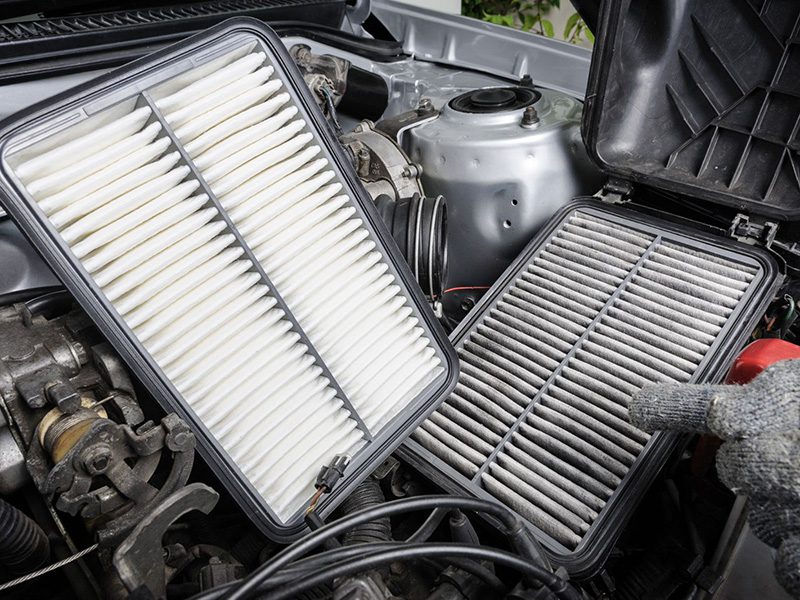
Credit: autopartswd.com
Signs Your Air Filter Needs Replacing
Your car’s air filter keeps dust and dirt out of the engine. Over time, it can get clogged and dirty. This can affect how your car runs.
Knowing the signs of a bad air filter helps you replace it on time. This keeps your engine healthy and saves fuel.
Reduced Fuel Efficiency
A dirty air filter limits air flow to the engine. The engine uses more fuel to work harder. This lowers your car’s miles per gallon.
If you notice you fill your gas tank more often, your air filter might be dirty.
Engine Misfires And Rough Idling
A clogged air filter can cause the engine to misfire. This means the engine skips firing in some cylinders. It can also cause rough idling, where the engine shakes or runs unevenly.
- Engine stalling at stops
- Shaking or vibrations when idling
- Delayed acceleration
Unusual Engine Sounds
If your air filter is dirty, the engine may make strange sounds. You might hear coughing, popping, or sputtering noises. These sounds come from poor air flow.
Pay attention to any new or odd noises while driving. They can mean your air filter needs changing.
Check Engine Light Activation
A dirty air filter can cause the check engine light to turn on. The engine control unit detects poor air flow and shows this warning.
Don’t ignore the check engine light. Get your air filter checked if this light comes on.

Credit: www.trodo.com
Recommended Replacement Intervals
Changing your auto air filter regularly keeps your engine healthy. It also improves fuel efficiency. The right timing depends on many factors.
This guide explains how often to replace your air filter. It covers manufacturer advice, driving conditions, and vehicle types.
Manufacturer Guidelines
Manufacturers suggest air filter changes based on miles or time. Most recommend checking every 12,000 to 15,000 miles. Some suggest replacing it once a year.
- Check your vehicle manual for exact intervals
- Follow recommended mileage or time limits
- Use genuine parts for best performance
Driving Conditions Impact
Driving in dusty or polluted areas clogs the air filter faster. Stop-and-go traffic also adds strain. In these cases, replace the filter sooner.
| Condition | Suggested Replacement Interval |
| City driving with traffic | Every 10,000 miles |
| Highway driving | Every 15,000 miles |
| Dusty or rural roads | Every 7,500 miles |
Frequency For Different Vehicle Types
Different vehicles need different air filter care. Smaller cars usually have lower mileage intervals. Trucks and SUVs may need more frequent changes.
- Compact cars: replace every 15,000 miles
- SUVs and trucks: replace every 10,000 miles
- Performance cars: check every 7,500 miles
- Older vehicles: inspect more often regardless of mileage
Types Of Auto Air Filters
Auto air filters clean the air before it enters the engine. Clean air helps the engine run well and last longer.
There are different types of air filters. Each type has its own features and care needs.
Paper Filters
Paper filters are the most common type. They use layers of special paper to trap dirt and dust.
These filters are cheap and work well for everyday driving. They need to be changed often to keep the engine clean.
Foam Filters
Foam filters use a sponge-like material to catch dirt. They hold more dust than paper filters.
These filters are often used in off-road or dusty conditions. They can be cleaned and reused after washing.
Cotton Gauze Filters
Cotton gauze filters have layers of cotton fabric. They allow more air flow while filtering well.
These filters are usually oiled to trap dust better. They can be cleaned and reused many times.
Reusable Vs Disposable
Disposable filters are made to be thrown away after use. Paper filters are mostly disposable.
Reusable filters can be cleaned and used again. Foam and cotton gauze filters often fall in this group.
- Disposable filters need regular replacement
- Reusable filters need cleaning and oiling
- Reusable filters cost more but last longer
- Disposable filters are easy to swap out

Credit: www.youtube.com
Steps To Change Your Air Filter
Changing your car’s air filter helps keep the engine clean and running well. It is a simple task you can do yourself.
Follow these steps to change the air filter safely and correctly in your vehicle.
Tools Needed
You only need a few tools to change your car’s air filter. These tools make the job easier and faster.
- Screwdriver (flathead or Phillips, depending on your car)
- Pliers (optional, for clips or fasteners)
- New air filter that fits your vehicle
- Clean cloth to wipe the filter box
Locating The Air Filter
The air filter sits inside a box under the hood of your car. It is usually near the engine and connected to a large plastic or metal duct.
Look for a rectangular or square box with clips or screws holding the cover in place.
- Open the hood of your car and secure it
- Find the air filter box near the engine
- Check your owner’s manual if you have trouble locating it
Removing The Old Filter
Remove the cover of the air filter box carefully. Use a screwdriver or your hands to undo screws or clips.
Take out the old air filter gently. Avoid dropping dirt into the filter box.
- Unscrew or unclip the air filter box cover
- Lift the cover to expose the old filter
- Pull out the old filter straight up
- Check inside the box for dust and clean it with a cloth
Installing The New Filter
Place the new air filter in the box. Make sure it fits snugly and matches the shape of the old one.
Close the air filter box and secure the cover with screws or clips. Double-check the cover is tight.
- Insert the new filter with the rubber edge facing up
- Align the filter to fit the shape of the box
- Put the cover back on the air filter box
- Fasten screws or clips to secure the cover
Benefits Of Regular Air Filter Replacement
Changing your car’s air filter regularly helps keep the engine clean. It stops dirt and dust from entering the engine parts.
A clean air filter improves how your car runs. It also saves you money on fuel and repairs in the long run.
Improved Engine Performance
A clean air filter lets more air reach the engine. This helps the engine burn fuel better. The car runs smoother and feels more powerful.
Better Fuel Economy
When the air filter is clean, the engine uses fuel efficiently. This means your car can travel more miles for each gallon of gas.
- Fresh air filter prevents engine from working too hard
- Improves fuel combustion
- Reduces fuel waste
- Saves money on gas
Reduced Emissions
A clean air filter helps the engine burn fuel fully. This lowers harmful gases that come out of your car. It helps protect the environment.
| Effect | With Clean Air Filter | With Dirty Air Filter |
| Fuel Burn | Complete | Incomplete |
| Emissions | Low | High |
| Engine Health | Good | Damaged |
Extended Engine Life
Dirty air filters let dust enter the engine. This causes wear and tear on parts. Changing the filter keeps the engine parts safe and lasting longer.
Regular air filter changes:
- Protect engine parts from dirt
- Lower repair costs
- Keep engine running longer
Common Mistakes To Avoid
Auto air filters keep your engine clean. Many people forget to change them regularly. This leads to problems and extra costs.
Knowing what mistakes to avoid helps your car run better. Let’s look at some common errors.
Ignoring Scheduled Changes
Manufacturers suggest changing air filters at certain intervals. Ignoring these schedules can harm your engine. Dirty filters reduce air flow and performance.
Check your car manual for the recommended change times. Stick to these schedules for best results.
Using The Wrong Filter Type
Each car model needs a specific air filter. Using the wrong type can cause poor engine performance. It can also lead to higher fuel consumption.
Always verify the filter type before purchasing. Consult the car manual or a professional if unsure.
Improper Installation
Installing an air filter incorrectly can create gaps. This lets unfiltered air enter the engine. It may cause damage over time.
Ensure the filter fits snugly in its housing. Follow the installation instructions carefully.
Delaying Replacement Despite Symptoms
Signs like decreased fuel efficiency or engine misfires mean it’s time to change the filter. Waiting too long can worsen these issues.
Pay attention to these symptoms and act quickly. Regular checks help avoid costly repairs.
When To Seek Professional Help
Changing your car’s air filter is often a simple task. However, there are times when seeking professional help is wise. Here are some situations where expert assistance is necessary.
Understanding when to consult a mechanic can save time and prevent damage. Let’s look at some scenarios.
Persistent Engine Issues
If your engine struggles even after changing the air filter, something else might be wrong. A mechanic can diagnose deeper problems.
Ignoring engine issues can lead to expensive repairs. Let a professional check for complex issues.
- Engine misfires
- Reduced power
- Unusual noises
Complex Air Filter Designs
Some cars have unique air filter designs. These can be tricky to replace without proper tools.
Mechanics have the experience and tools needed for complex filters. This ensures the job is done right.
| Car Model | Filter Type |
| Luxury Sedan | Specialized |
| Sports Car | High-Performance |
Warranty Considerations
New cars often come with warranties. Changing parts yourself can void this warranty.
Check your car’s warranty details. Sometimes, professional service is required to keep the warranty valid.
- Read warranty terms
- Use authorized service centers
- Keep service records
Frequently Asked Questions
How Often Should I Change My Car Air Filter?
Most manufacturers recommend changing your car air filter every 12,000 to 15,000 miles. Check your owner’s manual for specific intervals. If you drive in dusty or polluted areas, replace it more frequently to maintain engine efficiency and fuel economy.
What Are Signs Of A Dirty Auto Air Filter?
A dirty air filter can cause reduced fuel efficiency, engine misfires, and poor acceleration. You may also notice unusual engine sounds or a check engine light. Inspect the filter visually for dirt buildup to determine if replacement is needed.
Can A Clogged Air Filter Affect Car Performance?
Yes, a clogged air filter restricts airflow, reducing engine power and fuel efficiency. It can also increase emissions and cause rough idling. Regular filter changes help keep your engine running smoothly and efficiently.
Is It Okay To Clean And Reuse Air Filters?
Some air filters are reusable and can be cleaned with compressed air or washing. However, many are disposable and require replacement. Always follow the manufacturer’s guidelines to avoid damaging your engine or filter system.
Conclusion
Changing your auto air filter regularly keeps your car running well. Clean filters help your engine breathe and save fuel. Check your owner’s manual for the right time to replace it. Dirty filters can cause poor performance and damage. A simple change can improve air quality inside your car.
Stay on schedule to avoid costly repairs later. Remember, small steps protect your vehicle and your wallet. Keep your car healthy with timely air filter changes. Easy to do, and worth the effort.