
Your car’s transmission fluid is one of the most important, yet often overlooked, parts of vehicle maintenance. If you don’t change it when needed, you could face costly repairs or even transmission failure.
But how often should you really change your auto transmission fluid? The answer might surprise you—and getting it right can save you time, money, and stress. Keep reading to discover exactly when and why you should give your transmission the care it deserves.
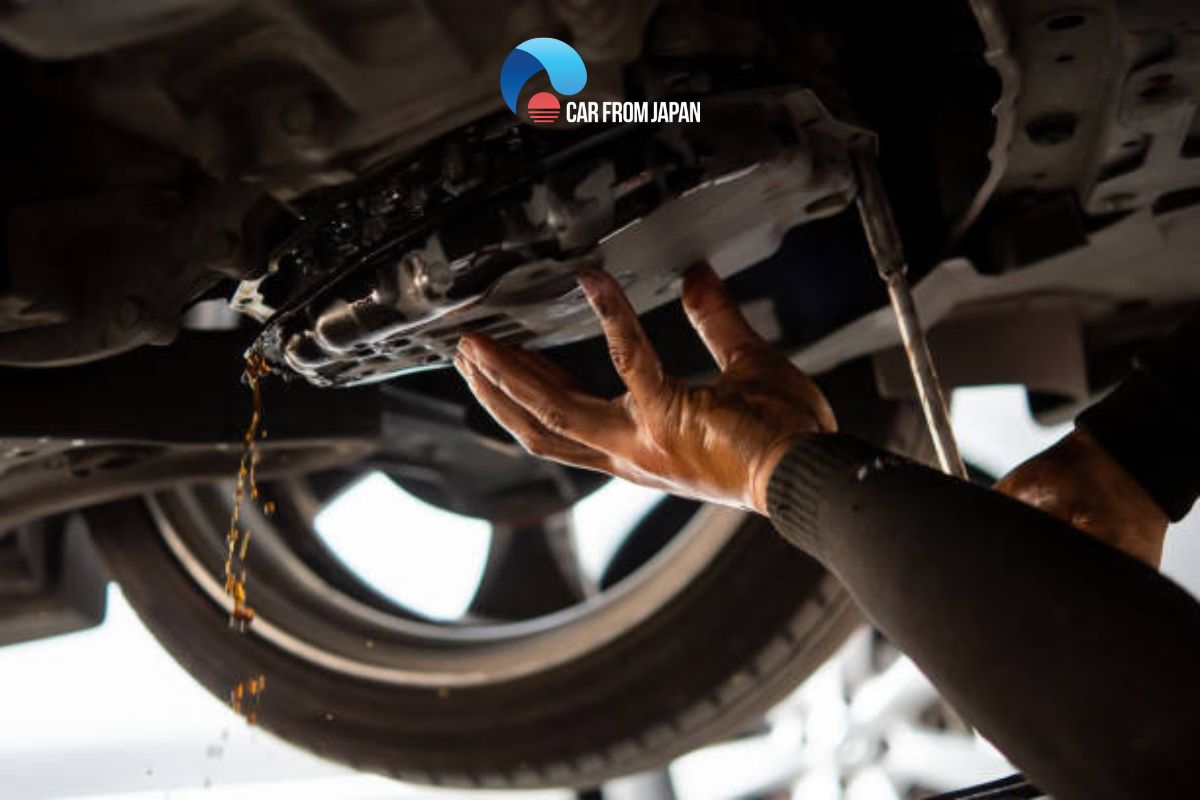
Credit: carfromjapan.com
Transmission Fluid Basics
Transmission fluid helps your car change gears smoothly. It keeps the transmission parts working well.
Knowing about transmission fluid is important for car maintenance. This helps your vehicle last longer.
Role Of Transmission Fluid
Transmission fluid acts as a lubricant for the gears inside the transmission. It stops parts from wearing out quickly.
The fluid also helps cool the transmission by carrying heat away from the moving parts. It cleans and protects metal surfaces from damage.
- Lubricates gears and bearings
- Cools transmission parts
- Protects against rust and corrosion
- Helps hydraulic systems work properly
Types Of Transmission Fluid
There are different types of transmission fluid for different cars. Using the right type keeps your transmission healthy.
Common types include fluids for automatic and manual transmissions. Each type has special features made for its system.
- Automatic Transmission Fluid (ATF): for most automatic cars
- Manual Transmission Fluid (MTF): for manual gearboxes
- Continuously Variable Transmission Fluid (CVT): for CVT systems
- High-Mileage Transmission Fluid: for cars with many miles
Signs Your Fluid Needs Changing
Transmission fluid keeps your car’s gears running smoothly. Over time, it can get dirty or lose its power. Knowing when to change it helps avoid costly repairs.
Check for clear signs that your transmission fluid needs changing. These signs show your car might be having trouble.
Unusual Noises
If you hear whining or clunking noises from your transmission, it could mean the fluid is old. Dirty fluid does not lubricate well, causing parts to rub and make noise.
Pay attention to sounds when shifting gears or when your car is in neutral. These noises often signal the need for fresh fluid.
Gear Shifting Issues
Hard or slow gear changes can indicate low or dirty transmission fluid. The fluid helps the gears move smoothly. Old fluid makes shifts rough or delayed.
If your car slips out of gear or hesitates, check the fluid level and condition. Fixing this early prevents bigger problems later.
Fluid Color And Smell
Good transmission fluid is bright red and smells clean. Dark or brown fluid means it is dirty and old. A burnt smell also shows the fluid is breaking down.
Check your fluid regularly by using the dipstick. If the fluid looks dark or smells bad, it is time to change it.
Recommended Change Intervals
Changing your auto transmission fluid at the right time keeps your car running smoothly. Old fluid can cause damage and reduce performance.
Knowing when to change the fluid depends on the car maker’s advice and how you drive daily.
Manufacturer Guidelines
Car makers give specific advice on transmission fluid changes. These recommendations vary by model and year.
| Vehicle Type | Recommended Interval (miles) | Recommended Interval (years) |
| Standard Passenger Cars | 30,000 to 60,000 | 2 to 4 |
| Heavy-Duty Vehicles | 15,000 to 30,000 | 1 to 2 |
| Luxury Vehicles | 50,000 to 100,000 | 3 to 5 |
Impact Of Driving Conditions
Driving style and road type affect how fast transmission fluid wears out. Some conditions need quicker changes.
- Stop-and-go city traffic causes faster fluid wear.
- Heavy towing or carrying loads heats the fluid more.
- Driving in dusty or rough areas can contaminate the fluid.
- Extreme hot or cold weather affects fluid performance.
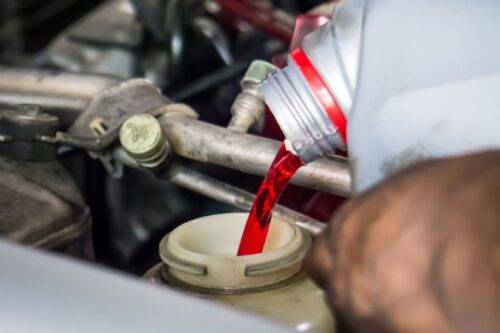
Credit: www.zigwheels.ph
How To Change Transmission Fluid
Changing your auto transmission fluid helps keep your car running smoothly. It removes old fluid and adds fresh fluid for better performance.
This guide shows you the tools and steps to change the transmission fluid safely and correctly.
Tools And Materials Needed
You will need specific tools and materials before starting. Having everything ready makes the job easier and faster.
- Jack and jack stands or ramps
- Wrench set or socket set
- Drain pan for old fluid
- Funnel for adding new fluid
- New transmission fluid (check your owner’s manual)
- New transmission filter (if your car has one)
- Shop towels or rags
- Gloves and safety glasses
Step-by-step Process
Follow these simple steps to change the transmission fluid. Take your time and work safely to avoid spills and injuries.
- Lift the car using a jack and secure it with jack stands or use ramps.
- Place the drain pan under the transmission fluid pan.
- Remove the drain plug or transmission pan bolts to drain the old fluid.
- Wait until the fluid fully drains into the pan.
- If your car has a transmission filter, remove the pan and replace the filter.
- Clean the transmission pan and replace the gasket if needed.
- Reinstall the pan and tighten the bolts securely.
- Use a funnel to add new transmission fluid through the dipstick tube.
- Check the fluid level with the dipstick and add more if needed.
- Lower the car and start the engine.
- Shift through all gears slowly to circulate the fluid.
- Check the fluid level again and add if necessary.
Benefits Of Regular Fluid Changes
Changing your car’s transmission fluid is essential. It helps keep your vehicle running smoothly. Regular changes prevent damage and ensure optimal performance.
Many car owners neglect this maintenance step. However, it can lead to costly repairs. Frequent fluid changes save money over time.
Improved Performance
Fresh transmission fluid enhances your car’s performance. It lubricates and cools the moving parts. This helps the transmission work efficiently.
Old fluid can cause sluggish shifting. It may also lead to overheating. Regular changes ensure smooth gear transitions.
- Reduces friction in the transmission
- Prevents overheating issues
- Ensures smoother gear shifts
Extended Transmission Life
Regular fluid changes help extend your transmission’s life. Clean fluid protects the internal parts from wear and tear.
Dirty fluid can lead to breakdowns. This can result in expensive repairs. Keeping the fluid fresh helps avoid these problems.
- Prevents costly repairs
- Increases transmission lifespan
- Maintains vehicle reliability
Common Myths And Mistakes
Many drivers are confused about changing auto transmission fluid. Mistakes can lead to costly repairs.
Understanding common myths helps in making the right decisions. Let’s explore these myths.
Overchanging Fluid
Some believe changing fluid too often is good. This can waste time and money.
Most cars don’t need frequent changes. Check your manual for the right schedule.
- Overchanging can lead to unnecessary expenses.
- Follow manufacturer guidelines.
- Consult a trusted mechanic if unsure.
Ignoring Fluid Checks
Ignoring fluid checks is a big mistake. It can damage your transmission.
Check fluid levels regularly. Look for signs of leaks or contamination.
| Signs of Fluid Issues | What to Do |
| Leaking fluid | Visit a mechanic |
| Dirty or burnt smell | Consider a fluid change |
| Unusual noises | Get a professional check-up |
When To Seek Professional Help
Knowing when to get expert help for your transmission fluid is important. Some problems need a mechanic’s skills to fix. Ignoring these signs can cause big damage.
This guide explains complex transmission systems and signs of serious issues. It helps you decide the right time to visit a professional.
Complex Transmission Systems
Modern cars have complex transmission systems with many parts. These include sensors, valves, and electronic controls. These parts control how fluid moves and shifts gears.
If you try to fix these systems without knowledge, you may cause more harm. Professionals have the right tools and training to handle these complex parts safely.
- Automatic transmissions use fluid to cool and lubricate.
- Transmission control modules manage shifting electronically.
- Many systems require special fluid types and change intervals.
- Incorrect fluid or DIY fixes can void warranties or cause failures.
Signs Of Serious Issues
Some signs show your transmission needs expert attention right away. Watch for these warning signals to avoid costly repairs.
| Sign | What It Means | Action Needed |
| Burning Smell | Fluid overheating or burning | Stop driving and seek repair |
| Fluid Leak | Low fluid level risking damage | Check fluid, visit mechanic |
| Gear Slipping | Transmission not holding gears | Get diagnostic and repair |
| Strange Noises | Grinding or clunking sounds | Immediate professional check |
| Warning Lights | Transmission or check engine light | Scan for errors and fix |

Credit: www.iratoyotasaco.com
Frequently Asked Questions
How Often Should Transmission Fluid Be Changed?
Transmission fluid should be changed every 30,000 to 60,000 miles. Check your vehicle’s manual for specific intervals. Regular changes prevent wear and maintain smooth shifting.
What Are Signs Of Old Transmission Fluid?
Signs include slipping gears, delayed shifting, and strange noises. Dark or burnt-smelling fluid also indicates it’s time for a change. Early detection protects your transmission.
Can I Change Transmission Fluid Myself?
Yes, with proper tools and knowledge, you can change it yourself. However, some vehicles need professional service due to complex transmissions. Always follow safety guidelines and the owner’s manual.
Does Driving Style Affect Transmission Fluid Life?
Yes, aggressive driving or heavy towing can degrade fluid faster. Frequent stop-and-go traffic also stresses transmission fluid. Adjust maintenance intervals based on driving conditions.
Conclusion
Changing your auto transmission fluid regularly keeps your car running smooth. Check your owner’s manual for the best time to change it. Old fluid can cause shifting problems and damage your transmission. Clean fluid helps protect internal parts and improves performance.
Don’t wait for trouble to start. Stay on top of your car’s maintenance to avoid costly repairs. A small effort now saves big costs later. Your transmission will thank you with better drive quality and longer life. Simple care goes a long way.