
Your car’s transmission is one of its most important parts, and the fluid inside it plays a huge role in keeping everything running smoothly. But how often should you change your auto transmission fluid?
If you’re like most drivers, this is a question that might have crossed your mind but hasn’t been fully answered. Getting this right can save you from costly repairs and keep your vehicle performing at its best. You’ll discover exactly when and why you should change your transmission fluid to protect your car and extend its life.
Keep reading—your car will thank you.

Credit: carfromjapan.com
Role Of Transmission Fluid
Transmission fluid keeps your car running smoothly. It moves power from the engine to the wheels.
This fluid also cools and cleans parts inside the transmission system.
Functions In Transmission System
Transmission fluid plays many important roles in the transmission system.
- Lubricates moving parts to reduce friction and wear
- Transmits hydraulic pressure to change gears smoothly
- Cools the transmission by carrying heat away
- Cleans dirt and debris from inside the transmission
- Protects metal surfaces from rust and corrosion
Types Of Transmission Fluid
There are different types of transmission fluid for various vehicles and transmissions.
| Type | Used For | Color |
| Automatic Transmission Fluid (ATF) | Most automatic transmissions | Red or green |
| Manual Transmission Fluid | Manual gearboxes | Clear or amber |
| Continuously Variable Transmission Fluid (CVT) | CVT systems | Clear or light amber |
| Dual Clutch Transmission Fluid (DCT) | Dual clutch transmissions | Red or amber |
Signs Of Fluid Deterioration
Auto transmission fluid keeps your vehicle running smoothly. It lubricates, cools, and cleans transmission parts. Over time, the fluid breaks down and loses its ability to protect.
Knowing the signs of fluid deterioration helps you avoid costly repairs. Watch for changes in how your transmission behaves and how the fluid looks or smells.
Unusual Shifting Or Slipping
If your car shifts gears roughly or slips out of gear, the transmission fluid may be failing. Poor fluid quality causes delayed or jerky shifts. This can lead to more damage if not fixed.
- Hard or delayed gear changes
- Transmission slips during acceleration
- Unusual noises when shifting
Fluid Color And Smell Changes
Healthy transmission fluid is usually bright red and clear. Old fluid often turns brown or dark and smells burnt. This means the fluid can no longer protect your transmission parts well.
| Fluid Condition | Color | Smell |
|---|---|---|
| Good | Bright red | Light or no smell |
| Worn | Brown or dark | Burnt or strong |
Overheating Transmission
Overheated transmission fluid loses its strength quickly. This causes the transmission to run hot. An overheating transmission can cause serious damage and fail completely.
Signs of overheating include:
- Warning light on the dashboard
- Burning smell from under the hood
- Transmission fluid temperature gauge rising
Recommended Change Intervals
Auto transmission fluid keeps your vehicle running smoothly. It lubricates and cools the transmission parts. Changing it on time helps avoid damage and costly repairs.
The right interval for changing transmission fluid depends on many factors. Follow the guidelines to keep your car in good shape.
Manufacturer Guidelines
Car makers give specific advice for changing transmission fluid. These instructions vary by brand and model. Check your owner’s manual for the exact schedule.
- Most manufacturers suggest changing fluid every 30,000 to 60,000 miles.
- Some newer models have “lifetime” fluid that needs less frequent changes.
- Regular checks help catch fluid problems early.
Impact Of Driving Conditions
Driving style and road type affect how fast transmission fluid wears out. Hard use can shorten its life.
| Driving Condition | Recommended Change Interval |
|---|---|
| Normal city and highway driving | 30,000 to 60,000 miles |
| Towing heavy loads | Every 15,000 to 30,000 miles |
| Stop-and-go traffic | Every 20,000 to 30,000 miles |
| Extreme temperatures | More frequent checks and changes |
Differences Between Automatic And Cvt
Automatic and CVT transmissions use different fluids. Each type needs specific care and change intervals.
- Automatic transmissions typically need fluid changes every 30,000 to 60,000 miles.
- CVT fluids break down faster and may need changes every 25,000 to 50,000 miles.
- Using the right fluid type is crucial for both transmission types.
- Always follow the vehicle maker’s recommendations for fluid type and schedule.
Effects Of Neglecting Fluid Changes
Auto transmission fluid keeps your vehicle’s transmission running smoothly. Changing the fluid on time is very important. Neglecting fluid changes can cause serious problems.
Old or dirty transmission fluid loses its ability to protect and cool. This can lead to costly damage and repairs.
Transmission Wear And Damage
When fluid is not changed, it breaks down and loses its lubrication power. This causes metal parts inside the transmission to rub together. Over time, this rubbing wears down the parts and causes damage.
- Increased friction causes overheating
- Worn parts reduce transmission efficiency
- Contaminants in old fluid cause corrosion
- Slipping gears and rough shifting occur
Costly Repairs And Replacements
Neglecting fluid changes can lead to serious transmission failure. Repairing or replacing a damaged transmission can be very expensive. Early maintenance helps avoid these costs.
| Problem | Possible Cost |
| Minor repairs (seals, gaskets) | $150 – $500 |
| Transmission rebuild | $1,000 – $3,000 |
| Transmission replacement | $3,000 – $5,000+ |
How To Check Transmission Fluid
Checking your transmission fluid helps keep your car running smoothly. It shows if the fluid is clean and at the right level.
Regular checks can prevent costly repairs. You do not need special tools, just follow a few simple steps.
Locating The Dipstick
The dipstick is a thin metal rod used to check the fluid. It is usually near the engine and marked with a bright handle.
Look for a handle that is red, yellow, or orange. If you cannot find it, check your car’s manual for the exact location.
Assessing Fluid Level And Quality
Check the fluid level using the dipstick. It should be between the “Full” and “Add” marks. Low fluid means you need to add more.
- Park your car on a level surface and turn off the engine.
- Pull out the dipstick and wipe it clean with a cloth.
- Reinsert the dipstick fully, then pull it out again to check the level.
- Look at the fluid color and smell. Healthy fluid is pink or red and smells sweet.
- If the fluid is brown or smells burnt, it needs to be changed.

Credit: www.reddit.com
Diy Fluid Change Vs Professional Service
Car owners often wonder about changing transmission fluid. This fluid is key to a car’s performance. Should you do it yourself or hire a professional?
There are pros and cons to both methods. It’s important to know what each involves before deciding.
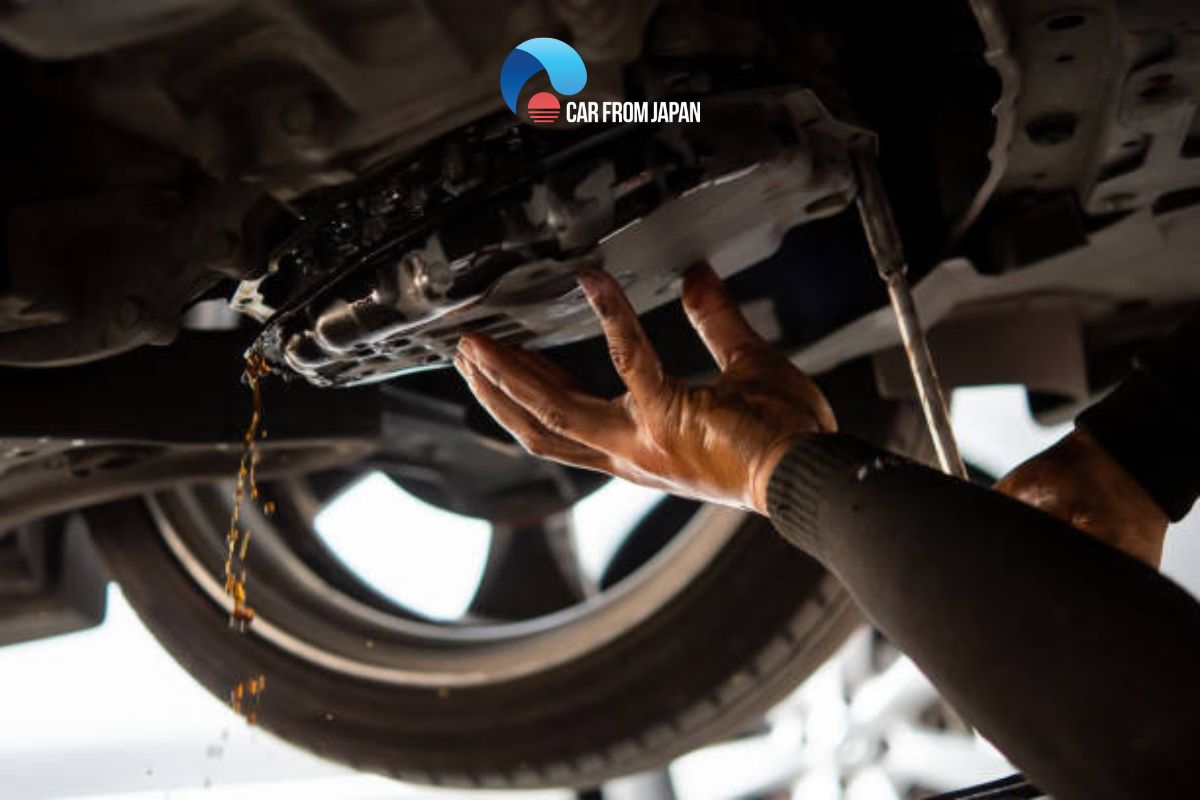
Steps For Changing Fluid At Home
Changing transmission fluid at home can save money. It requires some tools and patience.
- Gather necessary tools: wrench, funnel, and container.
- Ensure car is on a level surface.
- Locate the transmission fluid pan under the car.
- Remove the pan and let old fluid drain out.
- Replace the pan and fill with new fluid using the funnel.
- Check fluid level and make sure there are no leaks.
Benefits Of Expert Maintenance
Professional service offers peace of mind. Experts have experience and the right tools.
They can spot other issues during the fluid change. This can prevent future problems.
| Expertise | Professionals know the correct fluid type. |
| Efficiency | They complete the job faster and ensure accuracy. |
| Warranty | Some services include a warranty for added security. |
Choosing The Right Transmission Fluid
Transmission fluid is vital for your car’s performance. It keeps the transmission running smoothly. Picking the right fluid ensures your vehicle operates efficiently.
Understanding how to choose the correct transmission fluid can extend the life of your car. Follow these simple steps to make the right choice.
Consulting Vehicle Manual
Your vehicle’s manual is your best guide. It provides specific details about the type of transmission fluid you need.
- Locate the section on transmission fluid.
- Check for any recommended brands.
- Note the required fluid type and specifications.
Brands And Specifications
Choosing the right brand and specification is crucial. Not all fluids are the same, and using the wrong one can damage your transmission.
| Brand | Specification |
| Brand A | Type A1 |
| Brand B | Type B2 |
| Brand C | Type C3 |
Credit: carfromjapan.com
Frequently Asked Questions
How Often Should Auto Transmission Fluid Be Changed?
Auto transmission fluid should generally be changed every 30,000 to 60,000 miles. Check your vehicle’s manual for exact intervals. Regular changes prevent overheating and transmission damage.
What Happens If Transmission Fluid Is Not Changed?
Old fluid causes poor lubrication, overheating, and transmission wear. This leads to slipping gears and costly repairs. Timely fluid changes keep your transmission running smoothly.
Can I Check Transmission Fluid Myself?
Yes, most cars have a dipstick for checking transmission fluid levels. Check when the engine is warm and running. Look for proper level and clear, reddish fluid color.
Is Synthetic Transmission Fluid Better?
Synthetic fluid offers better heat resistance and longer life. It improves performance and protects transmission parts more effectively than conventional fluids. Always use fluid recommended by your vehicle manufacturer.
Conclusion
Changing your auto transmission fluid regularly keeps your car running smoothly. Check your owner’s manual for the right interval. Clean fluid helps prevent costly repairs and extends transmission life. Pay attention to signs like slipping gears or strange noises. Staying on top of fluid changes saves money and stress.
Remember, small steps now avoid big problems later. Keep your transmission healthy and enjoy a safer drive.