
Have you ever wondered how often you should change your auto air filter? It’s a simple part of your car, but it plays a big role in keeping your engine running smoothly and your air clean.
Ignoring it can lead to poor performance, higher fuel costs, and even damage to your vehicle. You’ll discover exactly when and why to replace your air filter, so you can save money and avoid unexpected repairs. Keep reading to make sure your car stays in top shape!
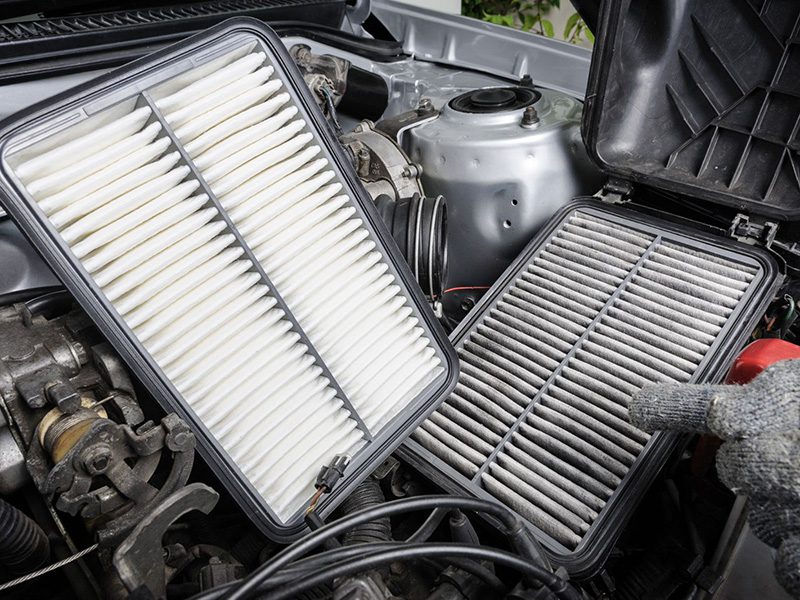
Credit: autopartswd.com
Signs To Replace Your Air Filter
Your car’s air filter keeps dirt and dust from entering the engine. Over time, it gets clogged and needs changing. Knowing the signs helps you keep your engine healthy.
Ignoring a dirty air filter can cause damage and reduce your car’s performance. Watch for these signs to know when to replace it.
Reduced Engine Performance
A clogged air filter limits airflow to the engine. This makes your car feel slower and less powerful. You might notice it takes longer to speed up.
Your engine might also stall or hesitate when you press the gas pedal. These problems happen because the engine can’t get enough clean air.
Unusual Engine Sounds
A dirty air filter can cause strange sounds from your engine. You might hear coughing, popping, or sputtering noises. These sounds mean your engine is struggling to breathe.
Listen for any new or odd sounds when the engine runs. These noises can warn you that the air filter needs attention.
Decreased Fuel Efficiency
A blocked air filter makes the engine burn more fuel. You will notice you need to fill gas more often. This lowers your car’s fuel efficiency and raises costs.
Keeping the air filter clean helps the engine use fuel better. This saves money and reduces pollution.
Visible Dirt And Debris
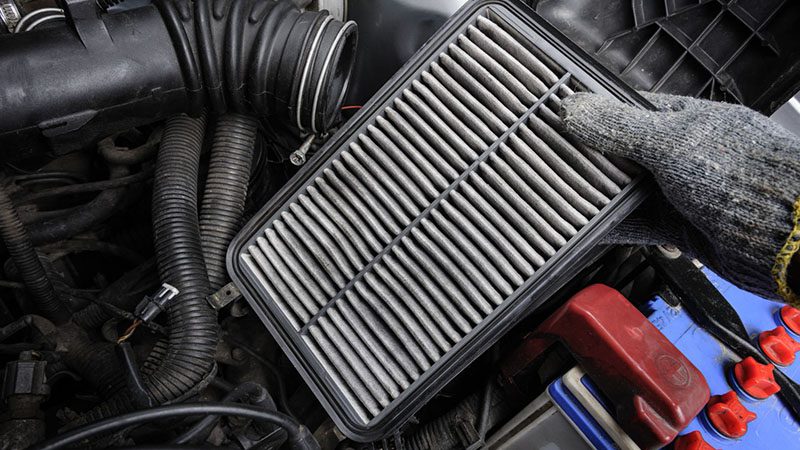
You can check the air filter yourself. Remove it and look inside. If you see thick dust, dirt, or leaves, it is time to replace it.
- Hold the filter up to light
- If light does not pass through, it is dirty
- Replace the filter if you see dark spots or damage
Recommended Replacement Intervals
Changing your auto air filter regularly keeps your car running smoothly. Dirty filters reduce engine performance and fuel efficiency. Knowing when to replace the filter helps avoid problems.
Auto air filter replacement depends on several factors. Follow guidelines to keep your vehicle in good shape.
Manufacturer Guidelines
Car makers suggest specific replacement intervals for air filters. These usually range from 12,000 to 15,000 miles or once a year. Always check your owner’s manual for exact details.
- Check the manual for recommended mileage.
- Replace more often if driving conditions are tough.
- Use genuine filters for best fit and performance.
Driving Conditions Impact
Driving in dusty or polluted areas clogs filters faster. Stop-and-go traffic also adds stress to the engine. These conditions shorten the filter’s life.
| Condition | Recommended Replacement Interval |
|---|---|
| City driving with heavy traffic | Every 10,000 miles |
| Off-road or dusty roads | Every 5,000 to 7,500 miles |
| Highway driving | Every 15,000 miles |
Climate Considerations
Climate affects air filter life. Hot, dry places increase dust intake. Humid areas may cause mold growth in filters. Both need more frequent changes.
- Dry, dusty climates: check and replace filters often.
- Humid climates: inspect for moisture damage.
- Cold climates: snow and salt can clog filters faster.
Types Of Auto Air Filters
Auto air filters keep dirt and dust out of your engine. They help your car run smoothly and last longer.
There are different types of air filters. Each type works in its own way and needs different care.
Paper Filters
Paper filters are the most common air filters in cars. They have layers of special paper that trap dirt.
These filters are cheap and easy to replace. They do a good job of cleaning the air for your engine.
- Usually disposable after use
- Good at catching small particles
- Needs replacement every 12,000 to 15,000 miles
Foam Filters
Foam filters use a soft, spongy material to catch dirt. They are often used in off-road vehicles.
Foam filters can be cleaned and reused many times. They let air flow well, which helps the engine breathe.
- Made from open-cell foam
- Washable and reusable
- Replace if damaged or very dirty
Cotton Gauze Filters
Cotton gauze filters have layers of cotton fabric. They often have oil applied to trap dirt better.
These filters allow more air to pass through. They improve engine performance but need careful cleaning.
- High airflow for better engine power
- Reusable with special cleaning kits
- Requires oiling after cleaning
Diy Air Filter Inspection And Replacement
Changing your car’s air filter is an easy way to keep the engine clean. You can check and replace it yourself in minutes.
Regular air filter care helps your car run better and saves money on repairs. Learn how to do it step-by-step.
Locating The Air Filter
The air filter is inside a box under the hood of your car. This box is called the air filter housing.
Look for a large plastic or metal box near the engine. It usually has clips or screws holding the lid.
Tools Needed
Most air filter changes require very few tools. Some cars need only your hands to open the housing.
- Screwdriver (flathead or Phillips)
- Socket wrench set (if needed)
- New air filter matching your car model
- Clean cloth for wiping dirt
Step-by-step Replacement Process
Start by turning off your car and opening the hood. Find the air filter housing and remove its cover.
- Undo clips or screws holding the cover.
- Lift the cover carefully to expose the filter.
- Take out the old air filter.
- Check the filter for dirt, dust, and damage.
- Clean inside the housing with a dry cloth.
- Place the new filter in the housing the same way.
- Secure the cover back with clips or screws.
- Close the hood and start your car to check.
Change the air filter every 12,000 to 15,000 miles or as your car manual suggests. Inspect it more often if you drive in dusty areas.
Benefits Of Timely Air Filter Changes
Changing your car’s air filter on time keeps your engine clean. It helps your vehicle run smoothly and saves money.
A clean air filter stops dirt from entering the engine. This improves how well your car performs every day.
Improved Engine Longevity
A clean air filter protects the engine parts from dust and dirt. This prevents damage and wear over time.
Regular air filter changes keep the engine healthy and last longer. It reduces the chance of costly repairs.
Enhanced Fuel Economy
A clean air filter helps the engine get the right air flow. This allows the engine to burn fuel more efficiently.
With a fresh air filter, your car uses less fuel. This saves you money on gas and helps the environment.
Reduced Emissions
A clean air filter helps the engine burn fuel completely. This lowers harmful gases released from your car.
Changing the air filter on time reduces pollution. It makes your vehicle cleaner and safer for the air we breathe.
Credit: autopartswd.com
Common Mistakes To Avoid
Changing your car’s air filter is important. It keeps your engine running well. Avoid common mistakes to keep your car in good shape.
Many people forget to change their air filters. This can cause problems. Here are some mistakes to avoid.
Ignoring Warning Signs
Your car gives signs when the air filter is dirty. Ignoring these signs can harm your engine.
If you notice strange noises or reduced power, check the air filter. A clean filter helps your car run smoothly.
- Poor engine performance
- Strange engine noises
- Increased fuel consumption
Using Incorrect Filters
Using the wrong air filter can cause problems. It may not fit well or work properly.
Always use the correct filter for your car model. This ensures a proper fit and good performance.
- Check your car manual for the right filter
- Buy from trusted brands
- Ensure the filter fits snugly
Overlooking Regular Maintenance
Regular maintenance keeps your car in top condition. Many people skip air filter checks.
Check the air filter every 12,000 to 15,000 miles. Replace it if it’s dirty or clogged.
| Maintenance Task | Recommended Frequency |
| Air Filter Check | Every 12,000 – 15,000 miles |
| Oil Change | Every 3,000 – 5,000 miles |
Credit: www.elgincdjr.com
Frequently Asked Questions
How Often Should I Change My Auto Air Filter?
Typically, change your auto air filter every 12,000 to 15,000 miles. Check your owner’s manual for specific recommendations. Replace it sooner if you drive in dusty or polluted areas to maintain engine performance and fuel efficiency.
What Are Signs Of A Dirty Car Air Filter?
A dirty air filter causes reduced fuel efficiency, sluggish acceleration, and unusual engine noises. You might also notice black smoke from the exhaust or the check engine light turning on. Regular inspection helps prevent these issues.
Can I Clean And Reuse My Car Air Filter?
Some air filters are reusable if they are washable, like foam or cotton types. Paper filters generally cannot be cleaned effectively and should be replaced. Always follow manufacturer instructions to avoid damaging the filter or engine.
Does A Clogged Air Filter Affect Fuel Economy?
Yes, a clogged air filter restricts airflow, causing the engine to work harder. This leads to increased fuel consumption and reduced mileage. Changing the filter regularly helps maintain optimal fuel efficiency and engine health.
Conclusion
Changing your auto air filter keeps your engine healthy and clean. Dirty filters reduce air flow and lower fuel efficiency. Most cars need a new filter every 12,000 to 15,000 miles. Check your owner’s manual for exact advice. Driving in dusty areas means changing it more often.
A clean filter helps your car run smoothly and saves money on repairs. Remember, small care steps make a big difference. Keep your air filter fresh for better performance and longer engine life. Simple, smart maintenance pays off.