
Thinking about adding a hitch to your truck but unsure how much it will cost? You’re not alone.
Whether you plan to tow a trailer, haul a bike rack, or carry extra cargo, knowing the right price for a truck hitch can save you time and money. You’ll discover the real costs involved, what factors affect the price, and tips to get the best deal.
By the end, you’ll feel confident about choosing the perfect hitch without any surprises. Keep reading to find out exactly what you need to know before making your decision.
Cost Factors For Truck Hitch
Adding a hitch to your truck can cost different amounts. The price depends on several things. Knowing these factors helps you plan your budget.
Costs vary based on the type of hitch, the materials used, and how it is installed. Each part affects the final price you pay.
Types Of Truck Hitches
There are many types of truck hitches. Each type is made for different towing needs. Choosing the right type affects the cost.
Some hitches are simple and cheap. Others are strong and cost more. The common types include receiver hitches, gooseneck hitches, and fifth-wheel hitches.
- Receiver hitches are popular and fit most trucks.
- Gooseneck hitches are stronger and used for heavy loads.
- Fifth-wheel hitches are for very heavy trailers and trucks.
Material And Build Quality
The material of the hitch affects its price. Steel is common and strong. Some hitches use higher-grade steel, which costs more.
Build quality means how well the hitch is made. Better build quality means longer life and safer towing. Higher quality usually means higher cost.
- Basic steel hitches cost less but may rust faster.
- Coated or painted hitches resist rust and cost more.
- Heavy-duty hitches use thicker steel and cost more.
Installation Methods
How the hitch is installed affects the total price. Some hitches are easy to install at home. Others need professional help.
Professional installation costs more but ensures safety. Some trucks require special parts or drilling, which adds to the cost.
- Bolt-on hitches are cheaper and easy to install.
- Welded hitches are stronger but need a professional.
- Custom installations for special trucks cost the most.
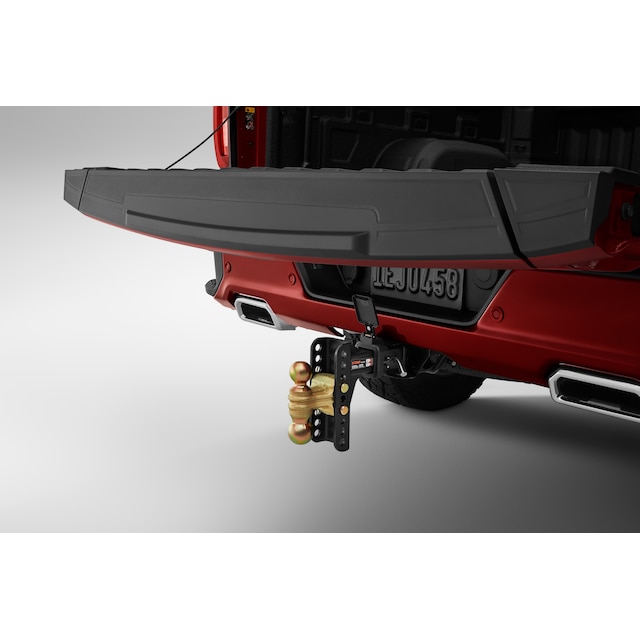
Credit: accessories.gmc.com
Average Price Range
Adding a hitch to your truck lets you tow trailers or carry cargo racks. The cost depends on the type of hitch and truck model.
Knowing the average price range helps you plan your budget for installation and parts.
Basic Hitch Costs
Basic hitches are the most common and simple to install. They usually support light to medium towing needs.
Prices for basic hitches vary based on brand and weight capacity.
- Cost range: $100 to $300
- Includes Class I and Class II hitches
- Installation fees may add $100 to $200
Heavy-duty Hitch Prices
Heavy-duty hitches are built for towing large trailers or heavy loads. They fit trucks with high towing capacity.
These hitches cost more because of stronger materials and design.
- Cost range: $300 to $700
- Includes Class III, IV, and V hitches
- Professional installation often required
- Installation can cost $150 to $300
Additional Accessories
Extra accessories improve hitch use and safety. They add to the total price but can be important.
Common accessories include wiring kits, ball mounts, and hitch locks.
| Accessory | Typical Price |
|---|---|
| Wiring Harness | $50 – $150 |
| Ball Mount | $20 – $80 |
| Hitch Lock | $15 – $50 |
| Weight Distribution Kit | $200 – $400 |
Diy Vs Professional Installation
Adding a hitch to your truck can be done by yourself or by a professional. Each way has its own cost and benefits. This guide helps you decide which option fits your needs and budget.
Think about your skills, time, and tools before choosing. Installing a hitch requires care to ensure safety and proper use.
Pros And Cons Of Diy
Doing the hitch installation yourself saves money on labor. You can work on your schedule and learn new skills.
DIY can be hard if you lack the right tools or experience. Mistakes may cause damage or unsafe towing.
- Pros:Save labor costs, flexible timing, learn new skills
- Cons:Needs tools, risk of errors, takes more time
Hiring A Professional
A professional installer has experience and the right tools. They ensure the hitch fits well and works safely.
Using a pro costs more upfront. You must schedule an appointment and trust their work.
- Pros:Expert installation, saves time, ensures safety
- Cons:Higher cost, less flexible timing
Labor Cost Expectations
Labor costs for hitch installation vary by location and truck type. Expect to pay between $100 and $300 for professional work.
DIY costs depend on tool availability and time spent. Buying or renting tools may add to expenses.
| Installation Type | Estimated Cost | Time Needed |
|---|---|---|
| DIY Installation | $0 – $100 (tools and hitch) | 2 to 4 hours |
| Professional Installation | $100 – $300 (labor only) | 1 to 2 hours |

Credit: www.youtube.com
Saving Tips On Hitch Installation
Putting a hitch on your truck can be expensive. Knowing how to save money helps a lot. You can get your hitch installed without spending too much.
This guide shares tips on finding discounts, picking the right shop, and timing your installation. Use these ideas to keep costs low.
Finding Discounts And Deals
Look for discounts before you buy a hitch or pay for installation. Many stores offer deals that can lower your total cost.
- Check online coupon sites for promo codes.
- Ask local shops about seasonal sales.
- Buy hitch kits during holiday sales.
- Join mailing lists to get special offers.
- Use cashback or reward programs if available.
Choosing The Right Shop
Picking the right place to install your hitch saves money and trouble. Prices and quality vary between shops.
| Shop Type | Cost | Quality | Notes |
|---|---|---|---|
| Chain Auto Shops | Moderate | Good | Fast service, standard prices |
| Local Mechanics | Low to Moderate | Variable | Negotiate prices, personal service |
| Dealerships | High | High | Expert installation, more expensive |
Read reviews and ask friends for recommendations. A good shop avoids mistakes that cost more later.
Timing Your Installation
Choose the right time to install your hitch. Some periods offer lower prices or quicker service.
Consider these timing tips:
- Schedule installations during slow months for better rates.
- Book appointments on weekdays to avoid weekend surcharges.
- Avoid peak seasons like summer holidays.
- Plan ahead to prevent rush charges.
Maintenance And Longevity
Adding a hitch to your truck is a useful upgrade. Keeping it in good shape helps it last longer.
Regular care stops problems and keeps your hitch safe for towing.
Regular Inspection Tips
Check your hitch often for signs of wear and tear. Look for loose bolts, cracks, or bends in the metal.
- Inspect bolts and nuts for tightness
- Look for cracks or bends in the hitch frame
- Check the ball mount for damage or excessive wear
- Ensure safety chains and pins are secure
- Clean dirt and debris from all parts
Preventing Rust And Damage
Rust can weaken your hitch and cause failure. Protect it from water and salt.
Follow these tips to prevent rust and damage:
- Apply rust-resistant paint or spray regularly
- Wash your hitch after driving on salted roads
- Store your truck in a dry place when possible
- Use covers to shield the hitch from rain and snow
- Lubricate moving parts to avoid corrosion
When To Replace Your Hitch
Knowing when to replace your hitch keeps towing safe. Replace it if you see deep rust or cracks.
| Condition | Action |
| Loose or missing bolts | Tighten or replace bolts immediately |
| Cracks or bends in metal | Replace hitch to avoid failure |
| Excessive rust | Consider replacement if rust weakens metal |
| Worn ball mount | Replace ball mount before towing |
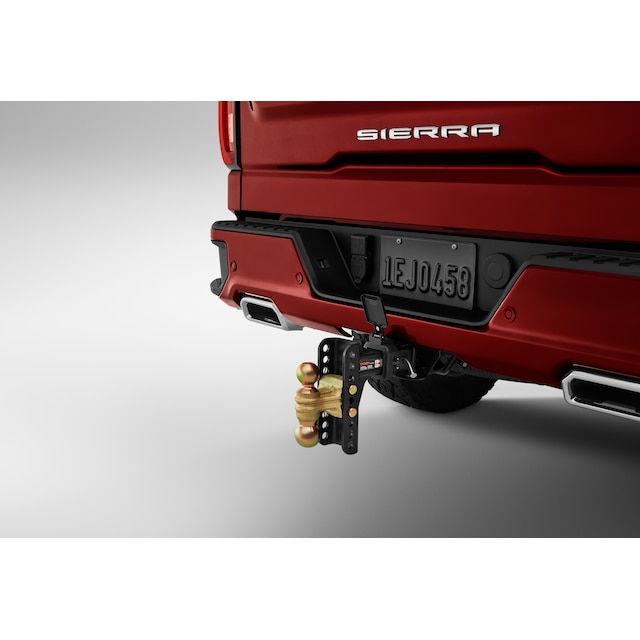
Credit: accessories.gmc.com
Frequently Asked Questions
How Much Does It Cost To Install A Truck Hitch?
Installing a truck hitch typically costs between $100 and $300. Prices vary based on hitch type, truck model, and labor fees. Basic receiver hitches are cheaper, while custom or heavy-duty hitches cost more. Installation time ranges from one to two hours.
What Factors Influence Truck Hitch Installation Price?
Cost depends on hitch class, truck size, and installation complexity. Labor rates and location also affect the price. Additional wiring or electrical work for trailer lights can increase costs. Custom or reinforced hitches generally require more labor and materials.
Can I Install A Truck Hitch Myself Cheaply?
Yes, if you have basic tools and mechanical skills. DIY kits cost between $50 and $150. However, improper installation risks damage or safety issues. Professional installation ensures correct fit and safe towing performance, often worth the extra cost.
How Long Does Truck Hitch Installation Usually Take?
Professional installation usually takes 1 to 2 hours. Time depends on hitch type and truck model. Complex setups with wiring or reinforcement may take longer. Scheduling an appointment ensures timely service.
Conclusion
Adding a hitch to your truck costs vary by type and installation. Basic hitches are cheaper, while heavy-duty ones cost more. Labor fees depend on where you get it done. Choosing the right hitch helps tow safely and easily. Think about your towing needs before deciding.
A well-installed hitch saves trouble on the road. Keep these points in mind to budget wisely. Simple steps lead to better towing experiences.