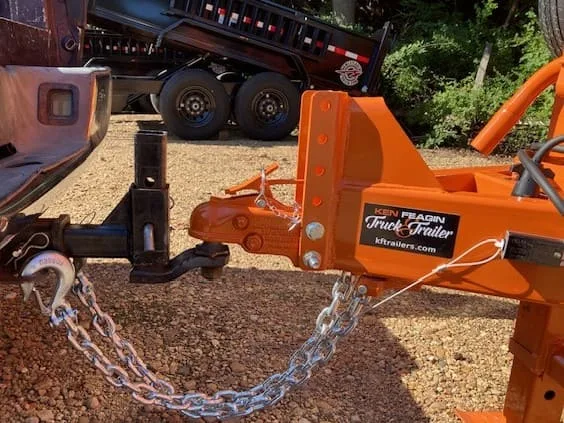
If you’re planning to tow a trailer, one question is probably on your mind: how much hitch weight can your truck handle? Knowing this number is crucial for your safety and your vehicle’s performance.
Too much weight on your hitch can cause steering problems, brake issues, or even damage your truck. But how do you find the right limit, and what happens if you go over it? Keep reading to discover the simple steps you can take to protect your truck and tow with confidence every time.
Towing Basics
Towing means pulling a trailer or another vehicle with your truck. It is important to know how much weight your truck can safely carry.
One key factor is hitch weight. This weight affects truck control and safety while towing.
What Is Hitch Weight
Hitch weight is the downward force the trailer puts on the truck’s hitch. It is part of the trailer’s total weight.
Too much hitch weight can cause poor steering or braking. Too little can make the trailer sway while driving.
Types Of Hitches
Different hitches hold different amounts of weight. Choose the right hitch for your truck and trailer.
- Weight Distribution Hitch: Spreads weight to truck and trailer axles.
- Receiver Hitch: Common type, fits into a receiver on the truck.
- Gooseneck Hitch: Used for heavy trailers, attaches inside the truck bed.
- Fifth Wheel Hitch: Also mounts in the truck bed, good for large trailers.
Importance Of Hitch Weight Limits
Hitch weight limits keep you safe on the road. Exceeding these limits can cause damage or accidents.
Check your truck’s manual for its hitch weight rating. Always stay within this limit.
- Prevents steering problems
- Helps maintain braking control
- Reduces trailer sway
- Protects truck suspension
Credit: www.cartalk.com
Truck Towing Capacity
Knowing how much hitch weight your truck can handle is key for safe towing. The towing capacity depends on several important factors. These include your truck’s weight limits and manufacturer data.
This guide explains the basics of towing capacity. It covers GVWR and GAWR, manufacturer specs, and other factors that affect towing ability.
Gvwr And Gawr Explained
GVWR means Gross Vehicle Weight Rating. It is the total weight your truck can safely carry, including passengers, cargo, and the trailer tongue weight.
GAWR stands for Gross Axle Weight Rating. It is the max weight allowed on each axle of the truck. Both front and rear axles have their own GAWR limits.
| Term | Meaning | Importance |
|---|---|---|
| GVWR | Total truck weight limit | Limits total load on truck |
| GAWR | Max weight per axle | Prevents axle damage |
| Hitch Weight | Weight on trailer hitch | Should not exceed truck limits |
Manufacturer Specifications
Check your truck’s manual for towing specs. The manufacturer lists max trailer weight and hitch rating. These specs ensure you don’t overload your vehicle.
- Find towing capacity in the owner’s manual
- Look for max tongue weight or hitch weight
- Note the type of hitch recommended
- Follow all safety warnings from the manufacturer
Factors Affecting Towing Capacity
Several conditions change how much weight your truck can tow safely. These include the truck’s condition and how you drive.
- Truck engine power and transmission type
- Brake system strength
- Tire size and condition
- Road and weather conditions
- Trailer type and brakes
Calculating Hitch Weight
Knowing how much hitch weight your truck can handle is very important. It keeps your vehicle safe and stable while towing.
Hitch weight is the downward force the trailer puts on the truck’s hitch. Calculating this weight helps you avoid damage and accidents.
Tongue Weight Percentage
Tongue weight is the part of the trailer’s weight that presses down on the hitch. It is usually 10% to 15% of the trailer’s total weight.
- If your trailer weighs 3,000 pounds, the tongue weight should be about 300 to 450 pounds.
- Too little tongue weight can cause trailer sway.
- Too much tongue weight can overload your truck’s rear suspension.
Using A Hitch Scale
A hitch scale measures the actual tongue weight on your hitch. It gives a precise number to help you adjust the load.
- Attach the scale to the trailer tongue or hitch.
- Lift the trailer tongue using the scale.
- Read the weight shown on the scale.
- Compare the number with your truck’s hitch capacity.
Estimating Trailer Load Distribution
Even load distribution is key to safe towing. You must know how the trailer’s weight spreads on its axles and the hitch.
| Load Position | Effect on Tongue Weight |
| Load forward | Increases tongue weight |
| Load centered | Balances tongue weight |
| Load backward | Decreases tongue weight |
Choosing The Right Hitch
Choosing the correct hitch is important for safe towing. Your truck’s hitch must match the weight you plan to tow.
There are several hitch classes and options. Each fits different towing needs and truck capacities.
Class I To Class V Hitches
Hitches come in classes from I to V. Each class supports a different weight range. It is important to pick the class that matches your truck’s capacity.
| Hitch Class | Max Tongue Weight | Max Trailer Weight |
| Class I | 200 lbs | 2,000 lbs |
| Class II | 350 lbs | 3,500 lbs |
| Class III | 600 lbs | 6,000 lbs |
| Class IV | 1,000 lbs | 10,000 lbs |
| Class V | 1,200 lbs | 12,000 lbs |
Weight Distribution Hitches
Weight distribution hitches help spread the trailer’s weight evenly. This improves control and safety while towing.
- Reduce trailer sway
- Improve steering and braking
- Balance weight on all axles
Adjustable Hitch Options
Adjustable hitches allow you to change the height and angle. This helps fit different trailers and loads.
- Set the hitch height for level towing
- Adjust for different trailer sizes
- Improve towing comfort and safety
Safety Tips For Towing
Towing a trailer needs careful planning and attention to safety. Knowing your truck’s hitch weight capacity is key. This helps prevent accidents and ensures a safe journey.
Follow these safety tips to keep your towing experience smooth and trouble-free. Proper loading, maintaining balance, and regular checks are essential.
Proper Loading Techniques
Loading your trailer correctly is important for stability. Distribute the weight evenly to avoid swaying. Place heavy items at the bottom and lighter ones on top.
- Center the load between the axles
- Secure items to prevent shifting
- Do not exceed the weight limit
Maintaining Vehicle Balance
Balance your vehicle and trailer for safe towing. Ensure your truck and trailer are level. Use a weight distribution hitch if needed to balance the load.
| Component | Check |
| Tires | Ensure proper inflation |
| Brakes | Test for responsiveness |
| Lights | Verify all lights are working |
Regular Equipment Inspections
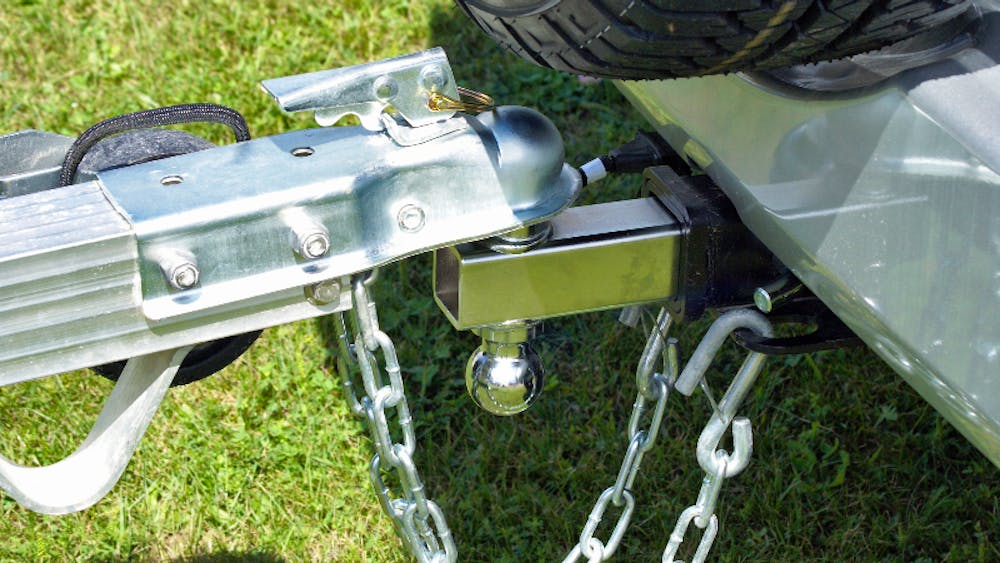
Regular checks on your towing equipment prevent failures. Inspect the hitch, chains, and wiring before every trip. This keeps you safe on the road.

Credit: www.curtmfg.com
Common Towing Mistakes
Towing can be tricky if you do not follow the rules. Many truck owners make simple errors that cause damage or danger.
Knowing common towing mistakes helps you tow safely. It also protects your truck and trailer.
Overloading The Hitch
Putting too much weight on the hitch is very risky. It can damage the truck’s frame and affect control.
Too much hitch weight makes steering and braking harder. It also increases wear on tires and suspension.
- Check your truck’s maximum hitch weight limit.
- Do not put more weight than the limit on the hitch.
- Distribute the load evenly to reduce strain.
Ignoring Manufacturer Limits
Every truck and hitch has weight limits set by the maker. Ignoring these can cause serious accidents.
Limits include Gross Trailer Weight (GTW) and Tongue Weight (TW). Staying within these keeps towing safe.
- Find your truck’s towing capacity in the manual.
- Check the hitch’s weight rating before use.
- Never exceed the lower of the two limits.
Improper Hitch Installation
Wrong hitch installation weakens the connection between truck and trailer. This can lead to hitch failure.
Loose bolts or incorrect parts cause the hitch to move or break under load. Proper fitting is a must.
- Use the right hitch type for your truck model.
- Follow the installation instructions carefully.
- Have a professional check the hitch if unsure.
Upgrading Your Truck For Towing
Towing heavy loads requires a truck that is ready for the job. Ensuring your truck can handle the hitch weight is important for safety and performance. Upgrading your truck helps manage the extra weight and provides a smooth towing experience.
Consider making several key upgrades to your truck. These upgrades enhance your truck’s ability to tow effectively and safely. Below are important areas to focus on when upgrading for towing.
Suspension Enhancements
Improving your truck’s suspension helps it handle the extra weight of towing. A strong suspension system keeps the vehicle stable and reduces wear on other parts.
Upgrade options include heavy-duty springs and shock absorbers. These components support the truck’s weight and improve ride quality.
- Heavy-duty springs provide better weight support
- Shock absorbers reduce bounce and improve control
- Air suspension kits offer adjustable support
Brake System Upgrades
Upgrading your truck’s brake system ensures safe stopping while towing. Larger brake discs and stronger pads improve braking performance.
Consider adding a trailer brake controller. It synchronizes the brakes of the truck and trailer for safer stops.
- Larger brake discs improve stopping power
- Stronger brake pads reduce wear
- Trailer brake controller enhances safety
Tire And Wheel Considerations
Tires and wheels are vital for towing heavy loads. They must handle the extra weight and provide good traction.
Choose tires with a high load rating. Strong wheels prevent bending under pressure.
- High load rating tires support extra weight
- All-terrain tires offer better grip
- Strong wheels prevent damage under stress

Credit: www.reddit.com
Frequently Asked Questions
What Is Hitch Weight In Truck Towing?
Hitch weight is the downward force a trailer’s tongue exerts on a truck’s hitch. Proper hitch weight ensures stable towing and prevents swaying. It typically ranges from 10% to 15% of the trailer’s total weight. Knowing this helps match your truck’s towing capacity safely.
How To Find My Truck’s Maximum Hitch Weight?
Check your truck’s owner’s manual or door jamb sticker for the Gross Trailer Weight (GTW) and tongue weight ratings. These ratings specify the maximum hitch weight your truck can safely handle. Exceeding these limits risks damage and unsafe driving conditions.
Can Exceeding Hitch Weight Damage My Truck?
Yes, exceeding hitch weight can strain your truck’s suspension, brakes, and frame. It may cause poor handling, increased wear, and safety hazards. Always stay within the manufacturer’s recommended hitch weight limits to protect your vehicle and ensure safe towing.
Does Hitch Type Affect Weight Capacity?
Yes, hitch types vary in weight capacity. Class I hitches handle up to 2,000 lbs, while Class V can handle over 20,000 lbs. Choose a hitch rated for your truck’s maximum hitch weight to ensure safe towing and prevent equipment failure.
Conclusion
Knowing your truck’s hitch weight limit keeps towing safe and smooth. Always check the owner’s manual for exact numbers. Don’t overload your truck; it can cause damage or accidents. Balance the load correctly to avoid swaying while driving. Use proper hitch equipment that matches your truck’s capacity.
Regularly inspect the hitch and connections before every trip. Safe towing protects you, your passengers, and others on the road. Stay informed and cautious to enjoy your towing experience without trouble.