
Are you wondering how many light curtains you need for your auto protect system? Choosing the right number can be tricky, but it’s crucial for keeping your equipment and people safe.
Too few, and you leave gaps in protection. Too many, and you might be wasting money and complicating your setup. You’ll discover exactly how to find the perfect balance. By the end, you’ll feel confident in making the best decision for your safety needs.
Keep reading to protect what matters most.
Light Curtains In Auto Protect
Light curtains are safety devices used to protect people around machines. They use beams of light to detect objects or people. In auto protect systems, they help prevent accidents.
These devices are common in car factories and automated vehicle areas. They create an invisible barrier that stops machines if something crosses it. This improves safety in busy auto environments.
What Are Light Curtains
Light curtains are made of many small light beams. They form a curtain of light between two parts of the device. If anything breaks one or more beams, the system sends a stop signal.
- Emit infrared light beams
- Detect objects blocking the light
- Connect to safety controls
- Stop machines quickly
- Work without physical contact
Role In Automotive Safety
In automotive safety, light curtains help avoid injuries from moving parts. They protect workers near robots, presses, and assembly lines. They reduce risks without slowing down production.
| Safety Function | Benefit |
| Detects human presence | Prevents accidents |
| Stops machines instantly | Reduces injury severity |
| Works without contact | Maintains workflow |
| Easy to install | Enhances factory safety |
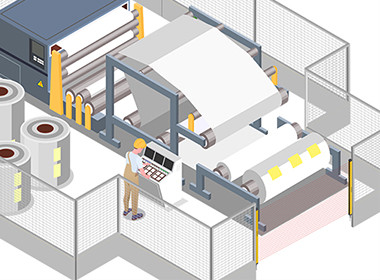
Credit: www.dadisick.com
Determining Quantity Needs
Choosing the right number of light curtains for auto protect is important. It helps keep workers safe and machines running smoothly.
The amount needed depends on many factors. This guide explains what to consider when deciding how many light curtains to use.
Factors Influencing Number
The number of light curtains depends on safety needs and machine design. Each setup is different and needs careful planning.
Some key factors include the size of the machine, where people work, and the risks involved in the operation.
Machine Size And Layout
Large machines may need more light curtains. This is to cover all access points and danger zones.
The layout also matters. Complex shapes or many openings increase the number of curtains needed.
- Wide machines need curtains on both sides
- Multiple access doors require separate curtains
- Irregular shapes need custom placement
Risk Assessment Criteria
Assess the risks before choosing the number of light curtains. Higher risks mean more protection is needed.
Factors like speed of moving parts and worker exposure affect this decision.
- Fast-moving machines need more coverage
- Areas where workers often reach require extra curtains
- High hazard zones demand multiple protection layers
Types Of Light Curtains
Light curtains are safety devices that protect people from machine hazards. They create invisible light beams across a dangerous area.
There are different types of light curtains. Each type works best for specific safety needs and machine setups.
Standard Vs. Muting Light Curtains
Standard light curtains stop machines immediately when the light beam is broken. They ensure quick machine shutdown to prevent injury.
Muting light curtains allow some objects to pass without stopping the machine. They use sensors to ignore certain items like pallets or tools.
- Standard light curtains stop machines right away for safety.
- Muting light curtains let non-dangerous objects pass safely.
- Muting uses sensors to detect and ignore specific objects.
- Standard is simpler and used where any interruption means danger.
Selecting Based On Application
Choose light curtains based on what you need to protect and how the machine works. Think about the objects that move near the curtain.
Use standard light curtains for high-risk areas where any entry must stop the machine. Use muting light curtains if materials or tools must pass safely.
| Application | Recommended Light Curtain |
|---|---|
| Worker safety with no object passing | Standard Light Curtain |
| Material handling with pallets or tools | Muting Light Curtain |
| Fast machine stop needed | Standard Light Curtain |
| Allow some items to move without stopping | Muting Light Curtain |

Credit: www.amazon.com
Installation Best Practices
Installing light curtains for auto protect needs care and planning. Proper setup keeps people safe and equipment working well.
Following best practices ensures the light curtains cover the right areas and avoid safety gaps.
Positioning For Maximum Coverage
Place light curtains where they cover all danger zones. Check the height and width to match the area you want to protect.
Use multiple light curtains if one cannot cover the entire space. Make sure beams overlap slightly for no gaps.
- Measure the full length and height of the hazard zone
- Install light curtains at the entry points
- Overlap beams from different curtains to avoid gaps
- Keep curtains stable and secure to prevent movement
Avoiding Blind Spots
Blind spots can let hazards go undetected. Position sensors to cover all angles and corners.
Check the area carefully after installation. Test the system by moving through the protected zone to find any missed spots.
- Use angled mounting to cover corners
- Add extra sensors if needed for full coverage
- Test regularly for missed detection areas
- Keep the area free from objects that block beams
Integration With Safety Systems
Light curtains work best when linked with other safety devices. Connect them to emergency stops and machine controls.
Make sure the system stops the machine instantly if the light curtain is broken. Check wiring and software settings carefully.
- Connect light curtains to the machine’s control system
- Test emergency stop functions with the curtains
- Use alarms or signals to alert when curtains are triggered
- Keep system updates current for best performance
Compliance And Standards
Light curtains are safety devices used in automation to protect workers. They detect objects or people entering hazardous zones. Choosing the right number of light curtains is key for proper safety.
Compliance with safety rules and standards ensures these devices work correctly. This keeps workplaces safe and avoids legal issues.
Relevant Safety Regulations
Safety regulations set the rules for using light curtains in automated systems. They define where and how many devices to place. These rules help prevent accidents and injuries.
- OSHA requires guarding of machinery to protect workers.
- ISO 13849 defines safety-related control system design.
- IEC 61496 covers safety of electro-sensitive protective equipment.
- ANSI B11.19 gives performance requirements for safeguarding.
Certification Requirements
Light curtains need proper certification to prove they meet safety standards. Certification shows the device is tested and reliable. It is important when choosing how many to install.
| Certification | Purpose | Key Standard |
| CE Marking | Compliance with EU safety laws | Machinery Directive 2006/42/EC |
| TÜV Certification | Verification of safety and quality | ISO 13849, IEC 61496 |
| UL Listing | Safety approval for US markets | UL 508 |
Maintenance And Testing
Light curtains are important for auto protection. They help keep machines safe by stopping when something is in the way. It’s important to check and test them often to make sure they work well.
Regular maintenance and testing make sure light curtains do their job. This helps prevent accidents and keeps everyone safe around machines.
Routine Inspection Tips
Inspect your light curtains regularly. This helps find problems early and keeps them working right.
Check the alignment and cleanliness of the light beams. Make sure nothing is blocking them. Look for any damage or wear on the curtains.
- Look for dust or dirt on sensors
- Check for physical damage
- Ensure proper beam alignment
Ensuring Reliable Operation
Testing light curtains is key for reliable operation. Perform tests to ensure they stop machines when needed.
Follow the manufacturer’s guidelines for testing. Use test rods to simulate an obstruction. Make sure the curtains respond correctly each time.
- Test weekly for consistent performance
- Use proper tools for testing
- Record test results for future reference

Credit: www.amazon.ca
Frequently Asked Questions
How Many Light Curtains Are Needed For Auto Protect?
The number depends on the machine’s size and hazard zones. Usually, one or two light curtains cover all sides. Assess risk areas carefully to decide the exact quantity needed for full protection and compliance.
What Factors Influence The Number Of Light Curtains Required?
Machine size, operator access points, and hazard zones influence the count. Also, safety standards and risk assessments determine the optimal number for effective protection.
Can One Light Curtain Protect Multiple Machine Areas?
A single light curtain can cover limited zones, but larger machines need multiple units. Proper placement ensures complete safeguarding of all hazardous areas.
How To Determine The Right Placement For Light Curtains?
Place light curtains at all potential access points to hazardous zones. Ensure they cover all operator entry areas and comply with safety regulations for maximum effectiveness.
Conclusion
Choosing the right number of light curtains keeps your workspace safe. One or two may work for small machines. Large setups often need more coverage. Think about machine size and operator movement. Proper placement helps prevent accidents effectively. Regular checks keep the system working well.
Safety is not just a rule, but a habit. Protect your team by planning carefully. Safety starts with smart choices.