
Have you ever wondered how long your car tires really last? Knowing the answer can save you money, keep you safe, and prevent unexpected breakdowns.
Your tires are the only part of your car touching the road, so their condition matters more than you might think. You’ll discover the key signs to watch for, how different factors affect tire life, and simple tips to make your tires last longer.
Keep reading—you’ll find out exactly when it’s time to replace your tires and how to get the most out of every mile.
Tire Lifespan Basics
Tires wear out over time and use. Knowing how long they last helps keep you safe.
Tire lifespan depends on many things. You can check their condition regularly.
Average Mileage Expectancy
Most tires last between 25,000 and 50,000 miles. Some high-quality tires can go beyond 60,000 miles.
| Tire Type | Expected Mileage |
| Standard All-Season | 40,000 – 60,000 miles |
| Performance Tires | 25,000 – 40,000 miles |
| Winter Tires | 20,000 – 40,000 miles |
| All-Terrain Tires | 40,000 – 60,000 miles |
Factors Affecting Tire Life
Many things change how long tires last. Some are easy to control.
- Driving habits like speed and braking
- Road conditions such as rough or smooth surfaces
- Proper tire maintenance like regular rotation and pressure checks
- Weather and climate effects on rubber
- Load weight carried by the tires
Credit: tireswheelsdirect.com
Signs Of Tire Wear
Tires wear out over time and use. Knowing the signs helps you stay safe on the road. Check your tires regularly for problems.
Look for changes in tread and damage on the surface. These signs tell you when it is time to replace tires.
Tread Depth Indicators
Tread depth shows how much life your tires have left. Shallow tread reduces grip and can cause accidents.
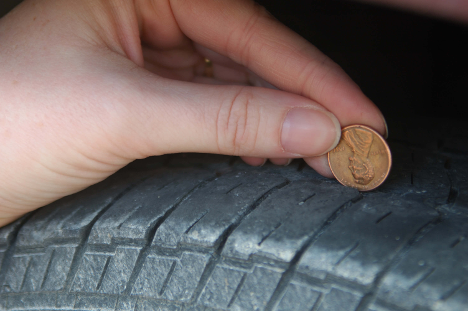
- Find the tread wear bars in the grooves of the tire.
- If the tread is level with the bars, the tire needs replacing.
- Use a tread depth gauge to measure the depth precisely.
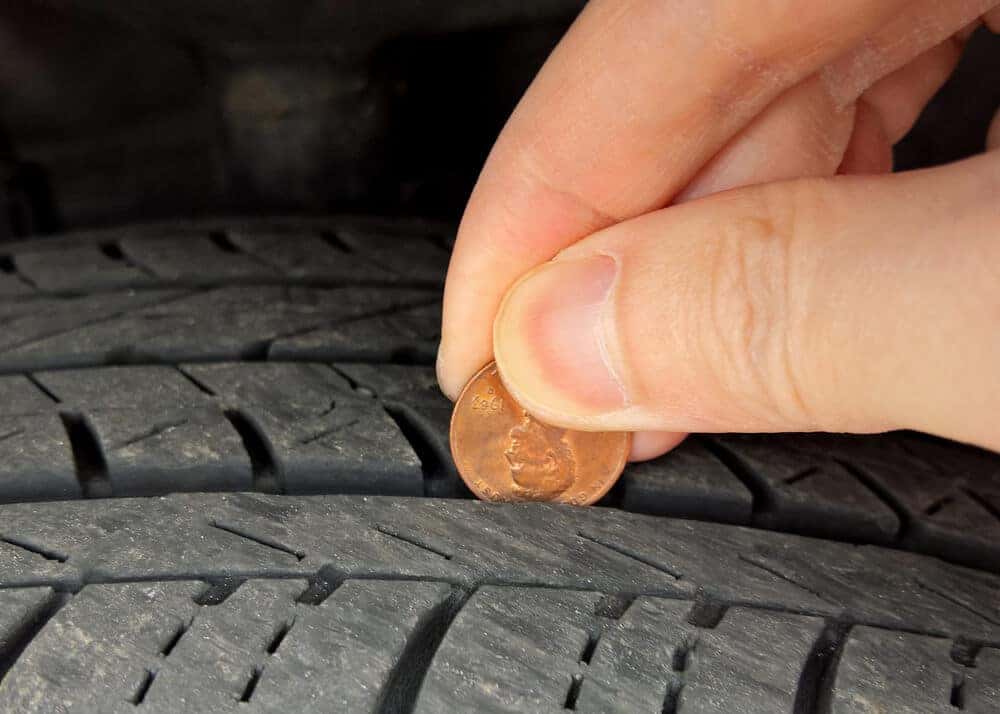
- Replace tires when tread depth is below 2/32 of an inch.
Visible Damage And Cracks
Check your tires for visible damage like cuts, cracks, or bulges. These can cause tire failure while driving.
| Type of Damage | What to Look For | Risk Level |
| Cracks | Small lines on sidewalls or tread | High |
| Cuts | Deep slices or punctures | Very High |
| Bulges | Raised areas on the tire surface | Severe |
| Blisters | Bubble-like bumps | Severe |
Maintenance Tips
Taking care of your auto tires helps them last longer and perform better. Simple actions keep your tires safe and reliable.
Below are key maintenance tips to extend the life of your tires. Follow these to protect your investment and improve driving safety.
Proper Inflation Techniques
Check tire pressure regularly to keep it at the recommended level. Underinflation causes extra wear on edges, and overinflation wears the center tread.
- Use a reliable tire pressure gauge
- Check pressure when tires are cold
- Follow the pressure listed in the vehicle manual
- Adjust pressure before long trips or heavy loads
- Inspect for slow leaks or punctures
Regular Tire Rotation
Rotate your tires regularly to ensure even wear. This helps all tires wear at a similar rate, extending their lifespan.
| Rotation Pattern | Recommended Interval |
| Front to Rear Swap | Every 5,000 to 7,000 miles |
| Cross Rotation | Every 5,000 to 7,000 miles |
| Consult Owner’s Manual | Follow vehicle-specific guidelines |
Balancing And Alignment
Keep your tires balanced and aligned to avoid uneven wear and vibrations. Balanced tires spin evenly, and alignment keeps the wheels straight.
- Get tires balanced during installation or if you feel shaking
- Check alignment yearly or after hitting potholes
- Proper alignment improves handling and fuel efficiency
- Misalignment causes rapid and uneven tire wear
Credit: www.formulahonda.com
Driving Habits And Tire Life
Tires wear out over time, but how you drive affects their life. Good habits can help tires last longer.
Bad driving habits can cause tires to wear quickly. Understanding these habits helps you protect your tires.
Impact Of Speed And Acceleration
Driving at high speeds puts more pressure on tires. It causes them to heat up and wear faster.
Fast acceleration and sudden stops also stress tires. This can create uneven tread wear and damage.
- High speed increases tire temperature and wear
- Quick acceleration wears the tread unevenly
- Sudden braking can cause flat spots
Effect Of Road Conditions
Rough roads and potholes can damage tires quickly. They cause cuts, punctures, and uneven wear.
Driving on smooth roads helps tires last longer. Clean, paved surfaces reduce tire stress and damage.
- Gravel and dirt roads cause faster tire wear
- Potholes can lead to tire bulges and cracks
- Wet or icy roads can cause slipping and uneven wear
Storage And Seasonal Care
Proper storage and care help your tires last longer. It also keeps them safe between seasons.
Knowing how to store and switch tires can save money. It keeps your driving safe all year.
Storing Tires Correctly
Keep tires in a cool, dry place away from sunlight. Sun and heat can cause tires to crack.
Store tires upright or hang them if possible. Avoid stacking tires on top of each other for long times.
- Clean tires before storing to remove dirt and brake dust
- Use airtight bags to protect tires from air and moisture
- Keep tires away from chemicals and solvents
- Store tires in a dark area to prevent UV damage
Switching Between Seasonal Tires
Switch tires at the start of each season. Use winter tires in cold months and summer tires in warm months.
Changing tires on time improves grip and safety. It also helps tires last longer by reducing wear.
- Check tire pressure after switching
- Inspect tires for damage before installation
- Balance and align tires for even wear
- Store off-season tires properly to keep them safe
When To Replace Tires
Knowing when to replace your auto tires is important for safety. Tires wear out over time and need checking regularly.
Let’s explore manufacturer recommendations and safety considerations to decide when to get new tires.
Manufacturer Recommendations
Manufacturers provide guidelines for tire lifespan. These are based on normal driving conditions.
- Check your tire warranty for specific details.
- Most tires last between 25,000 to 50,000 miles.
- Replace tires every 6 years, even if tread seems fine.
Safety Considerations
Safety is a key reason for timely tire replacement. Worn tires affect vehicle handling.
| Sign | Action |
| Tread below 2/32 inch | Replace immediately |
| Visible cracks or bulges | Check by a professional |
| Vibration while driving | Inspect for damage |
Credit: www.albanymotorcarsonline.com
Frequently Asked Questions
How Long Do Car Tires Typically Last?
Car tires usually last between 25,000 and 50,000 miles. This depends on driving habits, road conditions, and tire quality. Regular maintenance and proper inflation help extend tire life.
What Factors Affect The Lifespan Of Auto Tires?
Tire lifespan depends on driving style, road surfaces, climate, and maintenance. Frequent hard braking, rough roads, and poor inflation reduce tire durability. Proper care can maximize tire longevity.
When Should I Replace My Worn-out Tires?
Replace tires when tread depth falls below 2/32 inches or if there’s visible damage. Uneven wear, cracks, or bulges also signal replacement. Timely changes ensure safety and performance.
Can Tire Rotation Extend The Life Of My Tires?
Yes, rotating tires every 5,000 to 7,000 miles promotes even wear. This helps maintain balanced traction and prolongs tire life. Rotation is an essential part of tire maintenance.
Conclusion
Auto tires usually last between 3 to 6 years, depending on use. Proper care helps extend their life and keeps you safe. Check tire pressure and tread often to avoid problems. Replace tires if you notice cracks or low tread depth.
Driving habits also affect how fast tires wear out. Regular inspections catch issues before they become serious. Good tires improve fuel efficiency and handling. Stay alert to signs of tire wear. Safe driving starts with reliable tires.