
Have you ever been blinded by the bright headlights of a car behind you while driving at night? It’s not just annoying—it can be dangerous.
That’s where your auto dimming rearview mirror comes in. But how exactly does this smart mirror protect your eyes and help you drive safely? Understanding how your auto dimming mirror works can make you appreciate this small but powerful feature in your car.
Keep reading to discover the simple technology behind it and why it’s a must-have for every driver.

Credit: fitdvr.com
Auto Dimming Mirror Basics
Auto dimming mirrors help drivers see better at night. They reduce glare from headlights behind the car. This makes driving safer and more comfortable.
These mirrors use special technology to adjust their brightness. They darken automatically when bright lights shine on them.
What Is An Auto Dimming Mirror
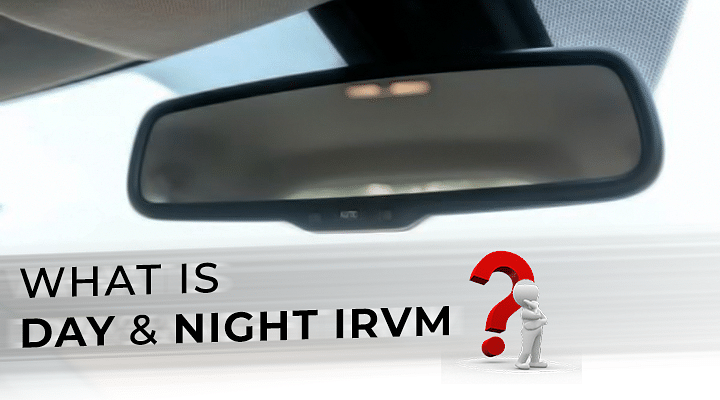
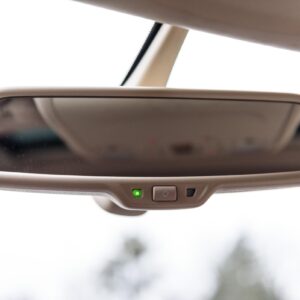
An auto dimming mirror changes its tint based on light levels. It has sensors that detect bright lights behind the car. When these sensors see bright light, the mirror darkens.
- Front sensor detects ambient light inside the car.
- Rear sensor detects bright headlights from behind.
- Electrochromic gel between glass layers changes color.
- Mirror darkens to reduce glare and eye strain.
- Returns to normal brightness when bright lights go away.
History And Evolution
Auto dimming mirrors first appeared in luxury cars in the 1980s. They used simple sensors and electrochromic technology. Over time, the technology improved for faster and smoother dimming.
| Year | Development |
| 1980s | First auto dimming mirrors in luxury cars |
| 1990s | Improved sensors and better dimming speed |
| 2000s | Wider use in mid-range vehicles |
| 2010s | Integration with other driver safety systems |
| Today | Standard feature in many new cars |
Credit: www.91wheels.com
Core Components
Auto dimming rearview mirrors reduce glare from headlights behind you. They change their tint automatically. Several parts work together to make this happen.
Understanding the core components helps explain how the mirror adjusts light. These parts include the electrochromic glass, sensors, and a control module.
Electrochromic Glass
Electrochromic glass is the special mirror surface that darkens to reduce glare. It contains a gel or film that changes color when electricity passes through it.
The glass adjusts its tint based on the electric charge. This helps block bright lights and protects your eyes while driving at night.
Sensors And Detectors
Sensors detect the amount of light around the mirror. One sensor faces forward to measure outside light. Another sensor faces backward to detect headlights from cars behind.
The sensors send signals to the control module. They tell the mirror how dark it should become to reduce glare.
- Forward sensor measures ambient light
- Rear sensor detects bright headlights
- Sensors send data to the control module
Control Module
The control module is the mirror’s brain. It receives signals from the sensors and decides how much to darken the glass.
It sends an electric current to the electrochromic glass. This current changes the tint level to reduce glare and keep the driver comfortable.
Working Mechanism
An auto dimming rearview mirror changes its tint to reduce glare. It helps drivers see better at night by adjusting the mirror’s brightness.
The mirror uses sensors and electronics to detect light and control tint. It works automatically without driver input.
Detecting Light Intensity
The mirror has two light sensors: one faces forward and one faces backward. The front sensor measures ambient light from the road. The rear sensor detects bright lights from cars behind.
- Front sensor reads normal light levels
- Rear sensor spots glare from headlights
- Both sensors send data to the mirror’s control unit
Adjusting Mirror Tint
The mirror glass contains a special gel layer that changes tint. When the sensors detect bright light, an electric current flows through the gel.
| Light Condition | Mirror Tint Level | Effect |
|---|---|---|
| Low ambient light, no glare | Clear | Normal reflection |
| Bright glare from behind | Darkened | Reduces headlight glare |
| Daytime, bright ambient light | Light tint | Reduces overall brightness |
Response Time And Sensitivity
The mirror reacts quickly to changes in light. It adjusts within seconds to protect the driver’s eyes. Sensitivity settings balance comfort and visibility.
- Fast response avoids sudden glare
- Sensitivity adapts to different driving conditions
- Some mirrors allow manual sensitivity adjustment
Credit: www.carparts.com
Types Of Auto Dimming Mirrors
Auto dimming mirrors reduce glare from headlights behind you. They help drivers see better at night. There are different types of these mirrors.
Understanding the types can help you know how they work and which one suits your car.
Manual Vs Automatic
Manual mirrors need you to change the angle to reduce glare. You flip a small tab to adjust the reflection.
Automatic mirrors use sensors to detect bright lights. They change the mirror’s tint without any action from you.
- Manual mirrors require driver effort
- Automatic mirrors adjust by themselves
- Automatic mirrors use light sensors
- Manual mirrors are simpler and cheaper
Interior Vs Exterior Mirrors
Interior mirrors are inside the car, usually at the top center of the windshield. They show the view behind the car.
Exterior mirrors are on the car’s doors. They help you see the sides and blind spots. Some exterior mirrors also have auto dimming features.
- Interior mirrors auto dim to reduce headlight glare
- Exterior mirrors auto dim to improve side vision at night
- Exterior auto dimming mirrors help with blind spots
- Interior mirrors are more common for auto dimming
Benefits For Drivers
Auto dimming rearview mirrors help drivers by reducing glare from headlights behind them. This makes driving safer and more comfortable, especially at night.
These mirrors adjust automatically, so drivers do not have to change settings. This helps keep their focus on the road.
Reducing Glare
The main benefit of an auto dimming mirror is cutting down glare from bright lights behind the car. This stops sudden flashes that can hurt your eyes.
With less glare, drivers see the road clearly without squinting or blinking too much. This lowers eye strain during long drives.
Enhancing Night Driving Safety
Auto dimming mirrors improve safety by helping drivers keep a clear view behind. They reduce distractions caused by bright lights.
When your mirror dims automatically, you can react faster to traffic changes and avoid accidents more easily.
Comfort And Convenience
These mirrors work on their own, so you do not need to adjust them manually. This makes driving more relaxing.
They help drivers stay focused and reduce the stress of bright lights while driving at night or in tough weather.
Installation And Maintenance
Auto dimming rearview mirrors help reduce glare from headlights. Proper installation and maintenance ensure they work well.
Follow guidelines to replace and troubleshoot these mirrors. This keeps them in good condition for a long time.
Replacing Auto Dimming Mirrors
Replacing an auto dimming mirror is simple if you follow the steps. Check the car manual for specific instructions.
- Remove the old mirror carefully.
- Disconnect the wiring harness if present.
- Attach the new mirror to the windshield mount.
- Reconnect the wiring harness securely.
Troubleshooting Common Issues
If your auto dimming mirror is not working, find the cause. Here are some common issues you might face.
| Issue | Possible Solution |
| Mirror does not dim | Check the power connection |
| Flickering light | Inspect wiring for damage |
| Persistent glare | Clean the mirror surface |
Future Trends
Auto dimming rearview mirrors are evolving fast. Future trends focus on technology integration. These innovations improve driver safety and comfort.
Smart mirrors and advanced sensors are key. They make driving safer and more convenient.
Smart Mirror Integration
Smart mirrors connect with your car’s systems. They display navigation and other data. This keeps drivers informed without distraction.
Some smart mirrors use voice commands. This lets drivers focus on the road. These mirrors may also display smartphone notifications.
- Navigation information
- Voice command features
- Smartphone notifications
Advanced Sensor Technologies
New sensors make auto dimming mirrors smarter. They adjust faster to changing light. This helps drivers see clearly at night.
Sensors can detect glare from headlights. They dim the mirror to reduce eye strain. This technology improves night driving safety.
| Sensor Type | Function |
| Light Sensors | Adjust brightness quickly |
| Glare Sensors | Reduce headlight glare |
Frequently Asked Questions
How Does An Auto Dimming Rearview Mirror Work?
An auto dimming rearview mirror uses sensors to detect light from vehicles behind. It automatically adjusts its tint to reduce glare, enhancing nighttime driving safety and comfort.
What Technology Is Used In Auto Dimming Mirrors?
Auto dimming mirrors use electrochromic technology. This technology changes the mirror’s tint when an electrical charge is applied, reducing reflected glare efficiently.
Are Auto Dimming Rearview Mirrors Worth It?
Yes, they improve night driving safety by reducing glare. They also reduce eye strain, making long drives more comfortable and safer.
Can Auto Dimming Mirrors Malfunction?
Yes, sensors or electrical components can fail. Regular maintenance and avoiding harsh cleaning chemicals help keep the mirror functioning properly.
Conclusion
Auto dimming rearview mirrors help reduce glare from headlights. They use sensors to detect bright lights behind you. The mirror darkens automatically to protect your eyes. This feature improves night driving safety and comfort. Understanding how it works makes you a smarter driver.
It’s a small but useful technology in modern cars. Keep an eye on this feature when buying a vehicle. It makes night trips less tiring and safer. Simple technology with a clear benefit. A practical addition to everyday driving.