
Have you ever been blinded by bright headlights from cars behind you while driving at night? It’s frustrating and can even be dangerous.
That’s where an auto dim mirror comes in. But how does this smart mirror work to protect your eyes and keep your focus on the road? Understanding this simple yet clever technology can change the way you drive after dark.
Keep reading, and you’ll discover how your car’s mirror adjusts automatically to give you a safer, more comfortable ride every time.
Auto Dim Mirror Basics
An auto dim mirror changes its brightness to reduce glare. It helps drivers see better at night.
This mirror uses sensors and special glass to adjust automatically. It makes driving safer and easier.
What Is An Auto Dim Mirror
An auto dim mirror is a rearview mirror that darkens on its own. It blocks bright light from cars behind.
The mirror senses light and changes its tint to stop glare. This helps reduce eye strain for the driver.
Key Components
Auto dim mirrors have three main parts that work together. These parts help the mirror detect light and adjust.
- Light sensors: Detect bright lights from behind.
- Electrochromic glass: Changes darkness based on signals.
- Control unit: Processes sensor data and controls the glass.
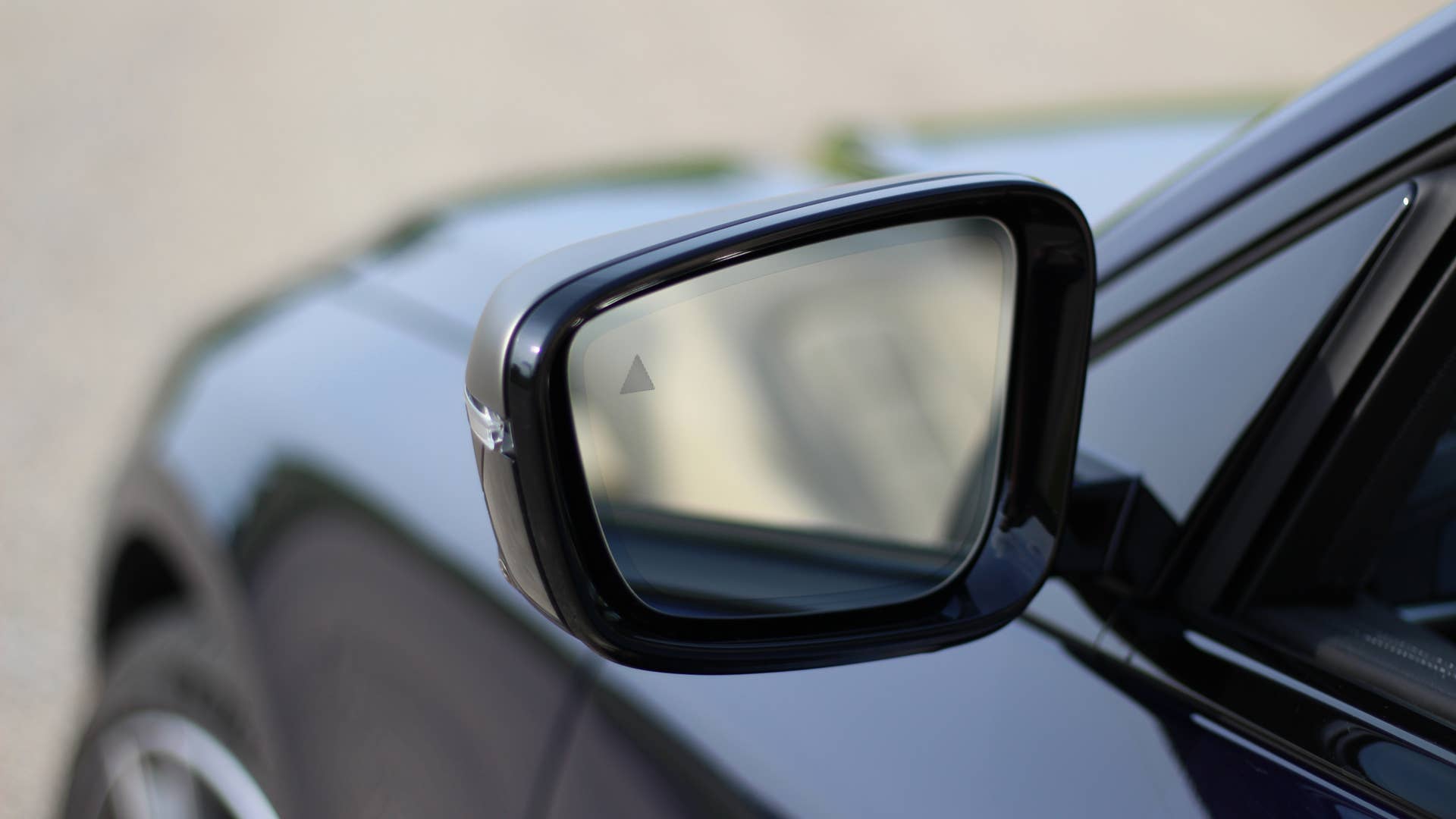
Credit: www.autoblog.com
How Auto Dim Mirrors Detect Light
Auto dim mirrors change their brightness to reduce glare from headlights. They detect light to know when to dim.
These mirrors use special sensors that sense light levels. The sensors tell the mirror when to darken.
Sensors And Their Roles
Auto dim mirrors have two main sensors. One sensor faces forward to detect sunlight. The other faces backward to detect headlights behind you.
The front sensor stops the mirror from dimming during the day. The rear sensor detects bright lights from cars behind you at night.
- Front sensor:Detects outside daylight.
- Rear sensor:Detects headlights from cars behind.
Light Detection Process
The sensors measure light intensity around the mirror. The mirror’s system compares light from front and rear sensors.
If the rear sensor sees bright light and the front sensor sees low light, the mirror dims automatically. This reduces glare and makes driving safer.
- Sensors detect light intensity.
- System checks if outside light is low.
- Mirror dims if bright light shines from behind.
Mechanism Behind Auto Dimming
Auto dim mirrors adjust their brightness to reduce glare from headlights. They use smart technology to sense light and change the mirror’s tint. This helps drivers see better and stay safe at night.
The main part of this system is the electrochromic layer inside the mirror. It changes color based on the light levels detected. This section explains how this technology works and how fast it reacts.
Electrochromic Technology
Electrochromic technology uses a special gel or film between two glass layers. When the mirror detects bright light, it applies a small electric current to this layer. This causes the gel to darken and reduce glare.
- Two glass layers hold the electrochromic material.
- Light sensors detect glare from behind.
- Electric current changes the gel’s tint level.
- The mirror darkens to block bright lights.
- When light dims, the current stops, and the mirror clears.
Activation And Response Time
The mirror activates automatically when sensors detect bright light from behind. The response time is usually a few seconds. This quick change helps reduce eye strain instantly.
| Aspect | Details |
| Activation Trigger | Light sensor detects glare above set level |
| Response Time | 2 to 5 seconds to darken |
| Reset Time | 5 to 15 seconds to clear when light lowers |
| Power Source | Vehicle’s electrical system |
Credit: www.ridgelineownersclub.com
Benefits For Driver Safety
Auto dim mirrors help drivers see clearly at night. They reduce glare from bright lights behind the car. This improves safety and comfort while driving.
These mirrors adjust automatically to changing light. They keep the rearview mirror at the right brightness. This lets drivers focus on the road without distraction.
Reducing Glare
Glare from headlights can cause eye strain and reduce visibility. Auto dim mirrors lower this glare quickly and smoothly. This helps drivers avoid temporary blindness from bright lights.
- Automatically darkens when bright lights appear
- Prevents eye discomfort during night driving
- Helps maintain focus on the road ahead
- Reduces need for manual mirror adjustment
Improving Night Driving
Night driving is often harder due to limited light and glare. Auto dim mirrors make it safer by keeping clear rear visibility. This helps drivers make better decisions on the road.
| Feature | Benefit |
| Automatic dimming | Reduces glare from headlights behind |
| Improved visibility | Helps drivers see vehicles clearly at night |
| Eye comfort | Prevents tiredness and distractions |
| Hands-free operation | Allows drivers to focus on driving safely |
Common Issues And Troubleshooting
Auto dim mirrors adjust brightness to reduce glare from headlights. They use sensors to detect light levels. Sometimes, these mirrors may not work properly. Understanding common problems helps you fix them quickly.
This guide covers sensor malfunctions and mirror dimmer problems. Learn how to spot issues and troubleshoot them effectively.
Sensor Malfunctions
The sensors on auto dim mirrors detect light and trigger dimming. Dirt or damage can cause sensor malfunctions. If the sensor is blocked, the mirror may not dim correctly.
Temperature changes or electrical problems can also affect sensor performance. Faulty sensors might keep the mirror dimmed all the time or not dim at all.
- Check if sensors are clean and free of debris.
- Make sure no objects block the sensors.
- Inspect wiring for damage or loose connections.
- Test the mirror in different light conditions.
Mirror Dimmer Problems
Mirror dimmer problems happen when the mirror does not change brightness smoothly. The mirror might flicker or stay bright at night. This can be caused by electronic faults inside the mirror.
Sometimes, the mirror’s dimming fluid or coating may wear out over time. This reduces how well the mirror can adjust to light changes.
- Check if the mirror surface is clean and undamaged.
- Listen for unusual sounds from the mirror mechanism.
- Reset the mirror by turning the car off and on.
- Replace the mirror if dimming does not improve.
Installation And Maintenance Tips
Auto dim mirrors are a popular feature in modern vehicles, providing improved visibility and reduced glare while driving. Proper installation and maintenance are crucial to ensure the longevity and effectiveness of the mirror.
Proper Installation Steps
When installing an auto dim mirror, follow these steps to ensure a secure and functional fit:
- Choose a suitable location on the rearview mirror, ensuring clear visibility and minimal obstruction.
- Align the auto dim mirror with the rearview mirror, making sure it is securely fastened.
- Adjust the sensitivity and brightness of the auto dim mirror to suit your preferences.
- Test the auto dim mirror in various lighting conditions to ensure it is functioning correctly.
Cleaning And Care
Regular cleaning and maintenance are essential to keep the auto dim mirror in good working condition:
Use a soft cloth and mild soap solution to clean the auto dim mirror, avoiding harsh chemicals or abrasive materials.
| Frequency | Task |
| Weekly | Dust the auto dim mirror with a soft cloth. |
| Monthly | Use a mild soap solution to clean the auto dim mirror. |
| Quarterly | Check and replace the auto dim mirror’s battery or power source. |
By following these installation and maintenance tips, you can ensure your auto dim mirror continues to provide improved visibility and reduced glare while driving.
Comparing Auto Dim Mirrors With Manual Mirrors
Auto dim mirrors and manual mirrors serve different purposes in vehicles. Understanding their functions can help you choose the right one for your car.
Both types have their own set of features. Auto dim mirrors offer modern technology, while manual mirrors are simple and traditional.
Advantages
Auto dim mirrors automatically adjust to reduce glare from headlights. This provides a safer driving experience at night.
- Reduces eye strain during nighttime driving
- Enhances safety by improving visibility
- Convenient, no manual adjustments needed
Disadvantages
Auto dim mirrors can be more expensive than manual mirrors. They also require electricity to function, which can be a downside if the vehicle’s battery is low.
Manual mirrors are cost-effective and do not rely on power. However, they need manual adjustment, which can be inconvenient.
Cost Considerations
When choosing between auto dim and manual mirrors, cost is an important factor. Auto dim mirrors are generally more expensive due to their technology.
| Mirror Type | Average Cost |
| Auto Dim Mirror | $50 – $200 |
| Manual Mirror | $10 – $50 |
Future Trends In Mirror Technology
Auto dim mirrors have changed how drivers see behind their cars at night. New trends aim to make these mirrors smarter and more connected.
We will look at two key areas: smart mirror innovations and how mirrors link with vehicle systems.
Smart Mirror Innovations
Smart mirrors now use sensors to adjust brightness automatically. Future designs will add more features to improve safety and comfort.
- Enhanced glare reduction with faster response times
- Built-in displays to show navigation or alerts
- Voice control to adjust mirror settings hands-free
- Automatic cleaning features to keep the mirror clear
- Integration with cameras for wider viewing angles
Integration With Vehicle Systems
Mirrors will connect more deeply with a car’s electronics. This will allow mirrors to share data and help the driver in many ways.
| Feature | Benefit |
|---|---|
| Blind Spot Detection | Alerts driver of cars in blind spots |
| Lane Departure Warning | Shows alerts directly on the mirror |
| Automatic Dimming Sync | Coordinates dimming with dashboard lighting |
| Emergency Call Integration | Helps call for help in accidents |
| Driver Attention Monitoring | Detects signs of drowsiness or distraction |
Frequently Asked Questions
What Is An Auto Dim Mirror In Cars?
An auto dim mirror reduces glare from headlights behind you. It uses sensors and electrochromic technology to darken the mirror automatically. This improves nighttime driving safety and comfort by preventing blinding reflections.
How Does An Auto Dim Mirror Detect Glare?
The mirror has light sensors that measure brightness from behind. When intense light hits the sensor, it triggers the electrochromic layer to darken. This response happens within seconds to reduce glare instantly.
Are Auto Dim Mirrors Powered By Car Battery?
Yes, auto dim mirrors are connected to the car’s electrical system. They use low voltage from the battery to operate sensors and electrochromic dimming. This ensures continuous functionality while the vehicle is running.
Can Auto Dim Mirrors Improve Night Driving Safety?
Auto dim mirrors enhance night safety by reducing glare distractions. They help maintain clear rear vision and prevent temporary blindness from bright headlights. This leads to safer lane changes and driving decisions at night.
Conclusion
Auto dim mirrors help drivers see clearly at night. They reduce glare from bright headlights behind. This feature uses sensors to detect light changes fast. It adjusts the mirror’s tint automatically. This keeps your eyes comfortable and safe. Many modern cars include this useful technology.
It makes night driving less tiring and risky. Understanding how it works helps you appreciate its value. Simple yet effective, auto dim mirrors improve driving experience. A small change that makes a big difference on the road.