
Have you ever wondered how your car keeps the perfect temperature without you lifting a finger? Auto climate control does just that—it adjusts the heat and cool air automatically to keep you comfortable, no matter the weather outside.
Understanding how this smart system works can make you appreciate your ride even more. You’ll discover the simple magic behind auto climate control and how it makes every drive more enjoyable. Keep reading to find out what’s happening behind the scenes every time you set your car’s temperature.

Credit: www.bmwblog.com
Basics Of Auto Climate Control
Auto climate control keeps your car’s inside temperature steady. It works without you changing settings often.
The system uses sensors and controls to adjust heat, air, and fan speed automatically.
Key Components
The main parts of auto climate control include sensors, a control panel, and the air system. Each part plays a role in keeping the car comfortable.
These parts work together to sense the temperature and adjust the air inside the car.
Temperature Sensors
Temperature sensors check the air inside and outside the car. They send data to the control system.
Sensors help the system know if it should cool or heat the cabin to keep the set temperature.
- Inside sensors measure cabin temperature
- Outside sensors check the weather outside
- Sunlight sensors detect sun strength
Control Panel Interface
The control panel lets you set your desired temperature. It shows the current settings and lets you make changes.
You can choose different modes like cool, heat, or fan only. The system uses this input to work correctly.
- Temperature buttons or dials
- Display screen for settings
- Mode selection options

Credit: www.reddit.com
How Auto Climate Control Maintains Temperature
Auto climate control in cars keeps the inside temperature steady. It adjusts heat and cool air automatically. This system makes rides more comfortable without manual changes.
The system uses sensors and controls to track and adjust the temperature. It balances airflow, fan speed, and air conditioning to reach the set temperature.
Temperature Detection Process
Auto climate control uses sensors inside and outside the car. These sensors detect the cabin temperature and outside weather. They send data to the control unit.
The control unit compares the current temperature with the set target temperature. It then decides how much heating or cooling the system needs to do.
Adjusting Airflow And Fan Speed
The system changes the fan speed and airflow direction to reach the desired temperature. It increases airflow when more cooling or heating is needed.
- Fan speed rises if the cabin is far from the set temperature.
- Airflow direction changes to focus on the driver or passengers.
- The system reduces airflow when the temperature gets close to the target.
Role Of The Air Conditioning System
The air conditioning system cools and dehumidifies the air inside the car. It uses a compressor, condenser, and evaporator to remove heat from the cabin air.
| Component | Function |
| Compressor | Compresses refrigerant gas |
| Condenser | Releases heat outside the car |
| Evaporator | Absorbs heat inside the cabin |
Types Of Auto Climate Control Systems
Auto climate control systems help keep the car’s inside temperature comfortable. These systems adjust heat, air flow, and cooling automatically.
There are different types of auto climate control systems. Each type offers different levels of comfort and control for passengers.
Single-zone Systems
Single-zone systems control the temperature for the whole car. The driver sets one temperature, and the system keeps it steady inside.
This system uses sensors to check the cabin temperature. It adjusts heating or cooling to match the set temperature automatically.
Dual-zone And Multi-zone Systems
Dual-zone systems let the driver and front passenger set different temperatures. Each side gets its own climate control.
Multi-zone systems expand this idea to rear passengers too. Each zone can have its own temperature setting for better comfort.
- Driver side temperature control
- Front passenger temperature control
- Rear passenger zones (in multi-zone systems)
- Separate air flow adjustments for zones
Advanced Features In Modern Cars
Modern auto climate systems include extra features for better comfort. Some adjust air quality and humidity automatically.
Other features include sensors for sunlight and outside temperature. These help the system keep the cabin comfortable without wasting energy.
- Air quality sensors to reduce pollution inside
- Humidity control to prevent windows from fogging
- Sunlight sensors to adjust cooling power
- Voice control or smartphone app integration
Benefits Of Auto Climate Control
Auto climate control keeps your car at the perfect temperature. It adjusts the heat and cooling automatically. This makes driving more comfortable on every trip.
The system uses sensors to check the inside temperature. It changes settings without needing your help. This helps save energy and improve air quality inside the car.
Enhanced Comfort
Auto climate control keeps the cabin temperature steady. It stops sudden hot or cold air blasts. The system adjusts airflow to keep all passengers comfortable.
- Maintains a steady temperature inside the car
- Automatically adjusts fan speed and air direction
- Reduces the need to manually change settings
- Helps keep windows from fogging up
Energy Efficiency
Auto climate control uses sensors to save energy. It only runs the heating or cooling as needed. This lowers fuel use and reduces battery drain in electric cars.
| Feature | Energy Benefit |
| Temperature sensors | Only runs when needed |
| Automatic fan control | Uses less power |
| Zone control | Heats or cools only occupied areas |
Improved Air Quality
The system filters outside air to remove dust and pollen. It adjusts airflow to reduce stale air inside the car. This helps passengers breathe cleaner air.
- High-efficiency cabin air filters
- Automatic recirculation mode
- Humidity control to reduce window fog
Common Issues And Troubleshooting
Auto climate control systems help keep your car comfortable automatically. Sometimes, these systems face problems that affect their performance. Knowing common issues can save time and money.
Troubleshooting can often fix problems without a mechanic. Below, we explain common issues and simple steps to check or fix them.
Sensor Malfunctions
Sensors detect temperature inside and outside the car. If a sensor fails, the system cannot adjust the temperature correctly. This can cause the air to be too hot or too cold.
- Dirty or blocked sensors can give wrong readings.
- Loose wiring or bad connections may stop sensors from working.
- Faulty sensors need replacement by a professional.
- Check sensor areas for dirt or damage regularly.
Inconsistent Temperature
If the car’s temperature changes too much or does not match the setting, the problem may be in the climate system controls or airflow.
| Cause | Possible Fix |
| Blocked air vents | Clear any obstructions in vents |
| Faulty blend door actuator | Replace the actuator to control airflow |
| Incorrect temperature sensor readings | Test and replace sensors if needed |
| Low refrigerant levels | Recharge refrigerant by a technician |
System Maintenance Tips
Regular care keeps the climate system working well. Simple maintenance can avoid many common problems.
- Replace the cabin air filter every 12,000 miles or as recommended.
- Keep air vents clean and free from dust and debris.
- Run the system regularly, even in winter, to keep parts working.
- Check for unusual noises or smells and address them early.
- Have your system inspected by a professional once a year.
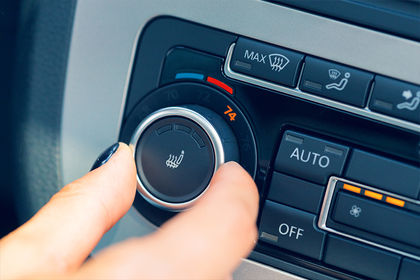
Credit: www.cardekho.com
Future Trends In Auto Climate Control
Auto climate control in cars is changing fast. New technologies are making it smarter and more efficient. Let’s explore some future trends that are shaping the way cars manage climate control.
Integration With Smart Technology
Smart technology is becoming a part of car climate control systems. This means your car can connect to your smartphone or home devices. You can set the temperature before you even get in the car.
Some systems can also learn your preferences. They adjust the climate based on your usual habits. This makes driving more comfortable and convenient.
- Connects with smartphones and smart home devices
- Learns and adapts to user preferences
- Remote control features for pre-setting climate
Eco-friendly Innovations
Eco-friendly technology is important in cars. Climate control systems are now more energy-efficient. They use less power and help reduce fuel consumption.
Some cars use eco-friendly refrigerants. These have less impact on the environment. This helps in reducing pollution and saving energy.
- Energy-efficient systems reduce power use
- Eco-friendly refrigerants lower environmental impact
- Improves fuel efficiency and reduces emissions
Adaptive And Predictive Systems
Adaptive systems can change settings based on real-time data. They use sensors to monitor weather and passenger preferences. This ensures the best comfort for everyone in the car.
Predictive systems use past data to predict what settings you might like. They can adjust the climate before you need to change it. This makes the driving experience smoother.
- Uses sensors to adapt in real-time
- Monitors weather and passenger preferences
- Predicts and adjusts settings automatically
Frequently Asked Questions
What Is Auto Climate Control In A Car?
Auto climate control automatically adjusts temperature and airflow inside your car. It uses sensors to maintain your preferred comfort level without manual changes.
How Does Auto Climate Control Improve Driving Comfort?
It keeps cabin temperature steady by sensing inside and outside conditions. This ensures a consistent, comfortable environment during your entire drive.
Can Auto Climate Control Save Energy In Cars?
Yes, it optimizes air conditioning and heating use. By adjusting settings precisely, it reduces unnecessary energy consumption and improves fuel efficiency.
Does Auto Climate Control Work With All Car Models?
Most modern cars offer this feature, but availability varies by make and model. Check your car’s specifications to confirm if it includes auto climate control.
Conclusion
Auto climate control keeps your car comfortable all the time. It uses sensors to adjust temperature and airflow automatically. You do not need to change settings often. This system saves you time and effort during drives. It helps maintain a steady temperature inside the car.
Understanding how it works can improve your driving experience. Next time you drive, notice how it adjusts quietly. Enjoy a smooth and comfortable ride every trip.