
When you’re gearing up for an outdoor ride, choosing the right helmet can make all the difference. You might wonder, how do snowmobile helmets differ from motorcycle helmets?
At first glance, they may seem similar, but the truth is, each is designed with your unique safety and comfort needs in mind. Understanding these differences can keep you safer and make your ride more enjoyable. Stick with me, and you’ll discover exactly what sets these helmets apart and why picking the right one matters for your next adventure.
Credit: ride509.com
Design And Structure
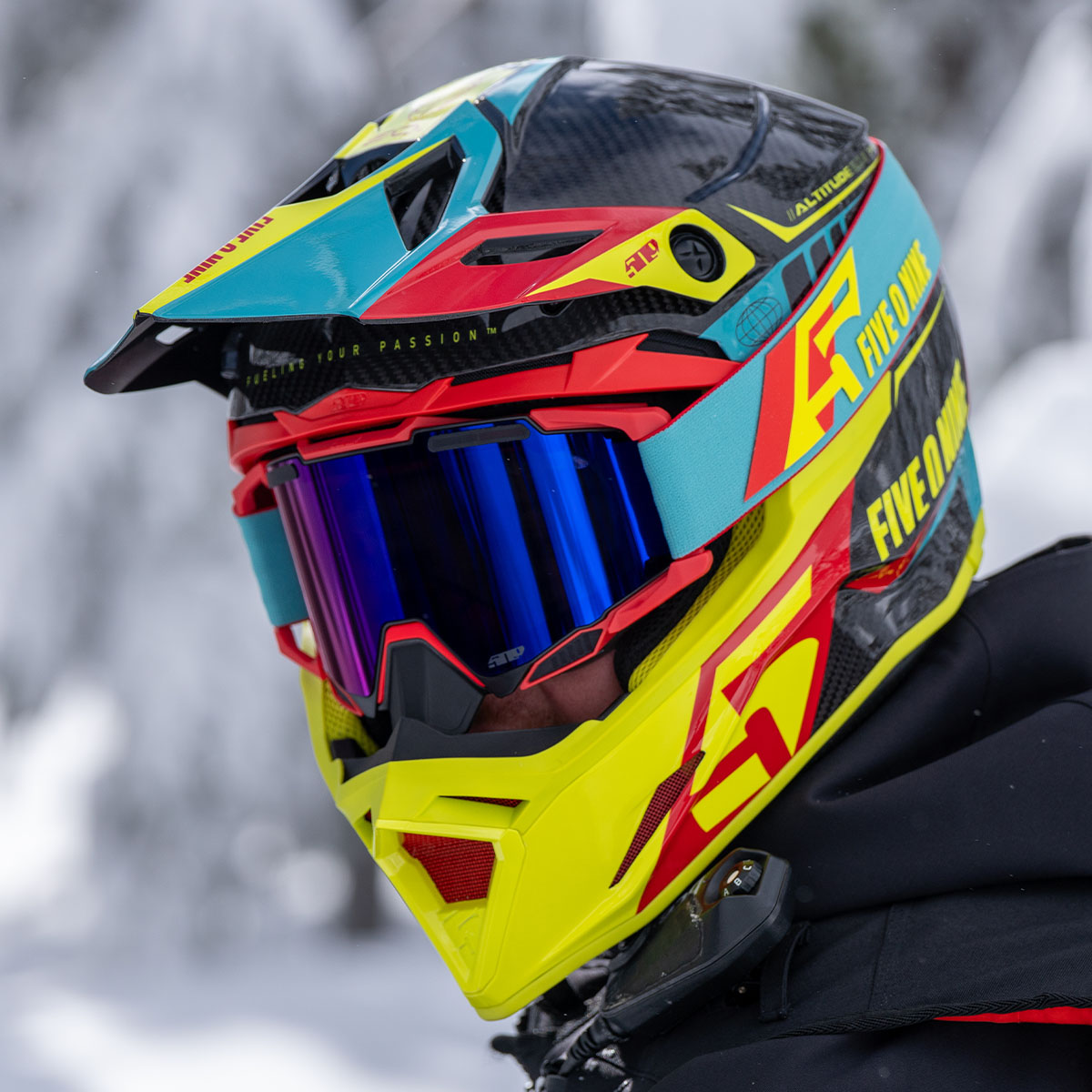
Snowmobile helmets and motorcycle helmets look similar but have key design differences. These differences help keep riders safe and comfortable.
The design changes focus on materials, ventilation, and face protection. Each helmet suits its specific riding conditions.
Shell Material Variations
Snowmobile helmets often use stronger shells for cold, rough conditions. Motorcycle helmets focus on impact resistance and lightness.
Materials like fiberglass, carbon fiber, and polycarbonate appear in both types. Snowmobile helmets may add extra insulation layers.
- Snowmobile helmets use thicker shells for cold protection
- Motorcycle helmets prioritize light weight and impact absorption
- Both use high-strength materials like carbon fiber and fiberglass
- Snowmobile helmets sometimes add insulation inside the shell
Ventilation Systems
Snowmobile helmets need ventilation that works in cold and snowy weather. They often have adjustable vents to control airflow.
Motorcycle helmets focus on cooling in warm weather with large vents and air channels. Snowmobile helmets keep the rider warm while preventing fog.
- Snowmobile helmets have smaller, adjustable vents to keep warmth
- Motorcycle helmets use bigger vents for maximum airflow
- Snowmobile vents help reduce visor fogging in cold conditions
- Motorcycle vents focus on cooling during hot rides
Visor And Face Shield Features
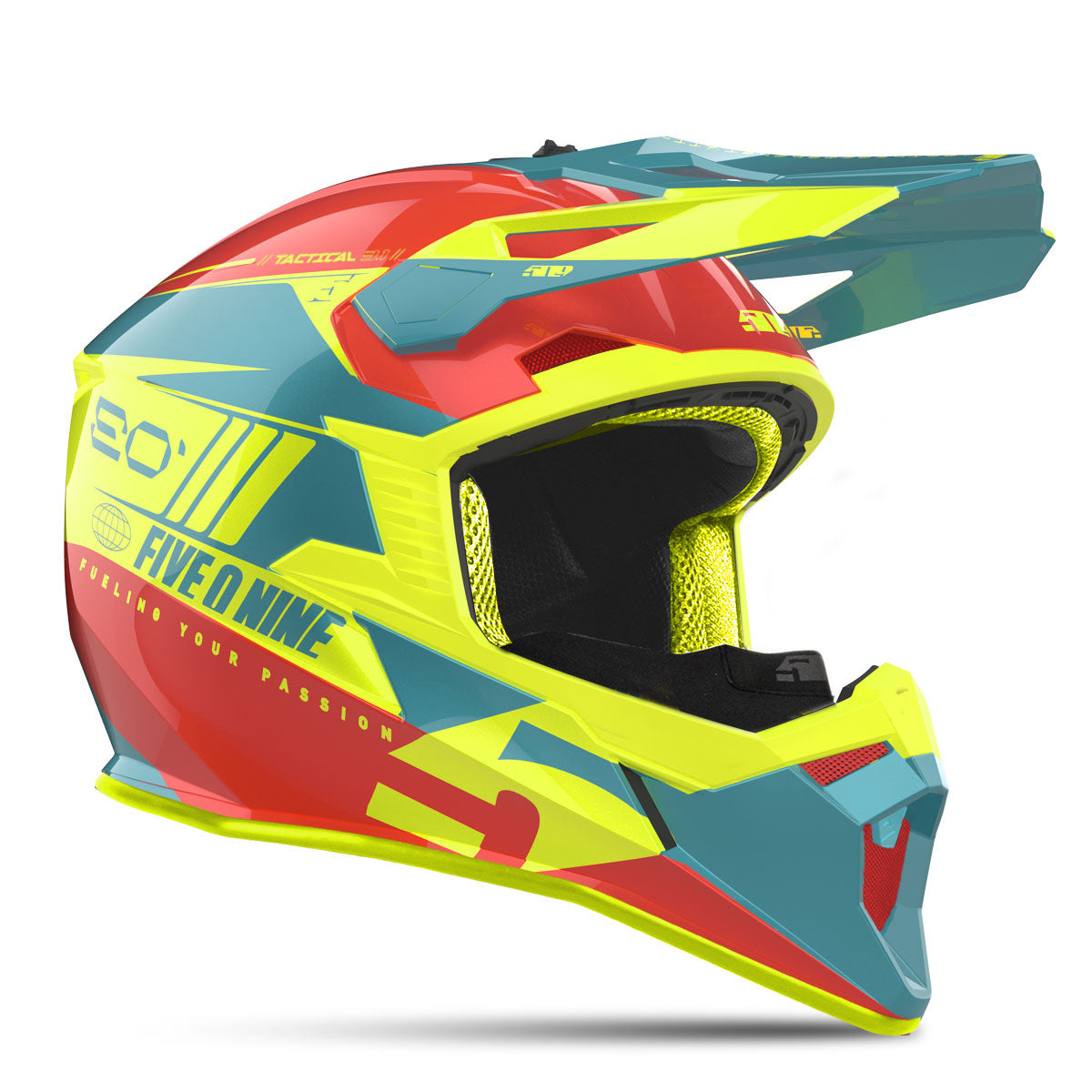
Snowmobile helmets have visors designed to protect from snow, wind, and glare. They often include anti-fog and anti-scratch coatings.
Motorcycle helmet visors focus on clear vision at high speeds and may include tinted or photochromic options. Snowmobile visors cover more face area.
- Snowmobile visors protect against snow and harsh wind
- Visors often have anti-fog and anti-scratch coatings
- Motorcycle visors offer clear vision and some tint options
- Snowmobile helmets may have larger face shields for full coverage
Credit: ride509.com
Safety Standards And Certifications
Snowmobile helmets and motorcycle helmets look similar but follow different safety rules. These rules keep riders safe in different ways.
Certifications show that helmets meet safety tests. These tests focus on how helmets protect in crashes and cold weather.
Snowmobile Helmet Certifications
Snowmobile helmets must protect riders from cold and impacts. They meet special standards for winter conditions.
One common certification is the ASTM F2040 standard. It tests helmets for impact resistance and cold weather use.
- ASTM F2040: Tests impact protection and cold weather durability
- CSA Z262.1: Canadian safety standard for snowmobile helmets
- Snell S-98: High-level impact testing, often used in racing
Motorcycle Helmet Certifications
Motorcycle helmets follow different tests focused on road crashes. They must meet standards for impact and penetration.
Common motorcycle helmet certifications include DOT, ECE, and Snell standards. Each tests helmets in different ways.
- DOT FMVSS 218: United States standard for impact and penetration resistance
- ECE 22.05/22.06: European standard with strict impact tests
- Snell M2020: Advanced testing for racing helmets
Impact Protection Differences
Snowmobile helmets protect from impacts on cold surfaces and at slower speeds. They also resist cold air and snow.
Motorcycle helmets focus on high-speed impacts and road debris. They have stronger shells to handle fast crashes.
| Feature | Snowmobile Helmet | Motorcycle Helmet |
|---|---|---|
| Impact Speed Tested | Lower speeds | Higher speeds |
| Cold Weather Protection | Yes | No |
| Shell Strength | Moderate | High |
| Additional Tests | Cold air resistance | Penetration and abrasion |
Comfort And Fit
Snowmobile helmets and motorcycle helmets have different designs to suit their uses. Comfort and fit play a big role in how safe and pleasant the ride feels. These helmets need to match the rider’s needs in cold or warm weather.
Each type of helmet offers features that improve comfort based on the environment. Snowmobile helmets focus on warmth and cold protection. Motorcycle helmets focus on airflow and heat management.
Insulation And Warmth
Snowmobile helmets have extra insulation to keep the rider warm. They use thick liners and materials that block cold air. Motorcycle helmets have less insulation to avoid overheating during summer rides.
- Snowmobile helmets include windproof and waterproof liners.
- They often have face shields that seal tightly to stop cold air.
- Motorcycle helmets use vents to increase airflow and cool the head.
- Snowmobile helmets reduce vent openings to keep warmth inside.
Weight Considerations
Weight affects comfort during long rides. Snowmobile helmets are usually heavier due to insulation and extra parts. Motorcycle helmets are lighter to reduce neck strain and increase comfort.
| Helmet Type | Average Weight | Reason |
| Snowmobile Helmet | 3.5 to 4.5 lbs | Extra insulation, windproof layers |
| Motorcycle Helmet | 2.8 to 3.5 lbs | Less insulation, more vents |
Adjustability And Padding
Both helmets offer adjustability for a secure fit. Snowmobile helmets have thicker padding for warmth and comfort. Motorcycle helmets focus on padding that supports breathability and cooling.
- Snowmobile helmets use adjustable chin straps with soft padding.
- Some have removable liners for cleaning or changing thickness.
- Motorcycle helmets have multiple vent controls to adjust airflow.
- Both types offer fit systems like dial adjustments or padding inserts.
Noise Reduction And Communication
Snowmobile helmets and motorcycle helmets differ in how they handle noise and communication. Snowmobile helmets focus more on blocking cold wind noise. Communication tools also vary to suit the environment.
Understanding these differences helps riders choose the right helmet. It improves safety and comfort on their rides.
Wind Noise Management
Snowmobile helmets have better wind noise control. They seal tightly around the face to keep cold wind out. This reduces noise from rushing air on snowy trails.
Motorcycle helmets focus more on reducing noise from fast air and traffic. They use special padding and aerodynamic shapes to cut down wind sounds.
- Snowmobile helmets have thicker seals around the chin and neck.
- Motorcycle helmets use vents that can open and close for airflow.
- Both use foam liners to absorb sound and vibrations.
Built-in Communication Systems
Snowmobile helmets often come with built-in communication systems. These systems work well in cold weather and loud environments. They let riders talk to each other easily.
Motorcycle helmets also have communication devices. They focus on Bluetooth for phone calls and music. The systems help riders stay connected on the road.
- Snowmobile systems are designed to work through thick gloves.
- Motorcycle systems emphasize long-range Bluetooth connections.
- Both helmets support voice commands for hands-free use.
Compatibility With Accessories
Snowmobile helmets fit accessories that protect against cold. These include heated visors and ear warmers. The helmet design allows easy attachment of these parts.
Motorcycle helmets support accessories like action cameras and sun visors. They also allow mounting of communication devices and speakers. This helps riders customize their gear.
- Snowmobile helmets have space for bulky cold-weather gear.
- Motorcycle helmets offer modular slots for tech accessories.
- Both helmets use standard mounts for communication devices.
Environmental Adaptations
Snowmobile helmets and motorcycle helmets are built for different environments. Each helmet has features that suit its specific weather conditions and challenges.
Snowmobile helmets handle cold, fog, and bright sunlight in snowy areas. Motorcycle helmets are designed mostly for warmer and drier conditions.
Handling Cold Weather
Snowmobile helmets keep riders warm in freezing temperatures. They use extra insulation and materials that block cold wind.
Motorcycle helmets usually have less insulation. They focus more on airflow to keep riders cool in warmer weather.
- Snowmobile helmets have thicker padding for warmth
- Windproof seals stop cold air from entering
- Motorcycle helmets have vents to improve airflow
Fog Prevention Features
Fog can block vision in cold and humid places. Snowmobile helmets have special shields that reduce fogging inside the visor.
Motorcycle helmets may have fog-resistant coatings, but snowmobile helmets usually add more layers and vents to keep the visor clear.
- Double-pane visors trap warm air to stop fog
- Anti-fog coatings make cleaning easier
- Ventilation systems improve air flow inside the helmet
Sunlight And Glare Protection
Snowmobile helmets protect against bright sunlight reflecting off snow. They often include tinted visors or sun shields.
Motorcycle helmets may have tinted visors too, but snowmobile helmets focus more on reducing glare in snowy conditions.
- Built-in sun visors reduce glare and eye strain
- Tinted shields block harmful UV rays
- Some helmets have interchangeable visors for different light

Credit: ride509.com
Cost And Availability
Snowmobile and motorcycle helmets protect your head. They have different costs and availability.
Understanding these differences helps when choosing the right helmet.
Price Range Differences
Snowmobile helmets often cost more than motorcycle helmets. They have extra features for cold weather.
Motorcycle helmets can be cheaper but lack some cold-weather features.
- Snowmobile helmets: $150 to $500
- Motorcycle helmets: $50 to $300
Brand And Model Options
Both helmet types have various brands and models. Snowmobile helmets have brands like HJC and 509.
Motorcycle helmets offer brands like Shoei and Bell. Each brand offers unique features.
| Snowmobile Brands | Motorcycle Brands |
| HJC | Shoei |
| 509 | Bell |
Market Availability
Snowmobile helmets are less available in warm regions. They are common in places with snow.
Motorcycle helmets are easy to find everywhere. They suit all climates.
- Snowmobile helmets: Best in snowy areas
- Motorcycle helmets: Available worldwide
Frequently Asked Questions
What Makes Snowmobile Helmets Unique From Motorcycle Helmets?
Snowmobile helmets are designed for cold weather and impact from snow and ice. They offer better insulation and a full-face shield to protect against wind and cold. Motorcycle helmets focus more on ventilation and road debris protection. Materials and design cater to their specific riding environments.
Can I Use A Motorcycle Helmet For Snowmobiling?
Using a motorcycle helmet for snowmobiling is not ideal. It lacks insulation and wind protection needed for cold conditions. Snowmobile helmets have features like breath deflectors and anti-fog visors to improve visibility and warmth. Safety standards also differ, making snowmobile helmets safer for winter use.
Do Snowmobile Helmets Have Special Ventilation Systems?
Yes, snowmobile helmets have specialized ventilation to prevent fogging. They balance airflow to keep riders warm without moisture buildup. The vents are strategically placed to allow fresh air while blocking cold wind. This design helps maintain clear vision and comfort in freezing temperatures.
Are Snowmobile Helmets Heavier Than Motorcycle Helmets?
Snowmobile helmets may be slightly heavier due to added insulation and thicker padding. This extra weight provides warmth and better protection against cold impacts. However, manufacturers strive to keep them lightweight for comfort during long rides. The difference is minimal but noticeable in extended use.
Conclusion
Snowmobile helmets and motorcycle helmets serve different needs. Snowmobile helmets keep you warm and protect from cold wind. Motorcycle helmets focus more on impact and road safety. Each type fits and ventilates differently. Choosing the right helmet helps keep you safe and comfortable.
Always pick a helmet made for your activity. Safety matters most when riding any vehicle. Stay protected and enjoy your ride.