
Have you ever wondered how your car knows when your tires need air? Those little alerts on your dashboard aren’t magic—they come from auto tire pressure sensors working quietly to keep you safe.
Understanding how these sensors work can save you money, boost your car’s performance, and even prevent accidents. Keep reading, and you’ll discover the simple science behind these smart devices and why they matter for your daily drive.
Basics Of Tire Pressure Sensors
Tire pressure sensors help keep your tires safe. They measure the air pressure inside tires.
These sensors send information to the car’s computer. This helps drivers know if tire pressure is low.
Types Of Tire Pressure Sensors
There are two main types of tire pressure sensors. Each type works in a different way.
The first type is direct sensors. They measure air pressure inside the tire directly.
The second type is indirect sensors. They use the car’s ABS system to estimate pressure.
- Direct sensors use pressure valves inside tires
- Indirect sensors check wheel speed to find low pressure
- Direct sensors give more accurate pressure readings
- Indirect sensors are cheaper but less precise
Key Components Inside Sensors
Tire pressure sensors have important parts inside them. These parts work together to measure pressure.
Inside direct sensors, you will find a pressure sensor, a battery, and a transmitter.
- Pressure sensor: measures the air pressure
- Battery: powers the sensor and transmitter
- Transmitter: sends pressure data to the car’s system
- Microchip: processes the pressure information
Indirect sensors use the ABS system’s wheel speed sensors. They do not have parts inside the tire.

Credit: www.whocanfixmycar.com
How Sensors Measure Pressure
Auto tire pressure sensors help keep your car safe by checking the air pressure inside tires. They use special parts to sense pressure changes and send this data to your vehicle’s computer.
Understanding how these sensors work helps you see why they are important for good driving and tire health.
Sensing Mechanisms
Most tire pressure sensors use one of these methods to measure air pressure:
- Piezoelectric Sensors:These create an electric signal when pressure changes bend a crystal inside.
- Capacitive Sensors:They detect pressure by measuring changes in the distance between two metal plates.
- Resistive Sensors:These change their electrical resistance when pressure squeezes a special material.
All these sensors convert pressure into electrical signals for easy reading by the car system.
Data Transmission Process
The sensor sends pressure data through a few key steps to reach your vehicle’s display.
| Step | Action | Description |
| 1 | Measurement | Sensor detects tire air pressure as an electric signal. |
| 2 | Signal Conversion | Sensor changes the signal into digital data. |
| 3 | Wireless Transmission | Data is sent via radio waves to the car’s receiver. |
| 4 | Data Processing | Car’s computer interprets the pressure data. |
| 5 | Driver Alert | Display shows the tire pressure or a warning light if low. |
Integration With Vehicle Systems
Auto tire pressure sensors are key parts of modern cars. They connect with many vehicle systems. This helps keep drivers safe and informed.
These sensors track tire pressure and send data to the vehicle’s computer. This allows the car to monitor tire health in real time.
Communication With Onboard Computers
Tire pressure sensors use wireless signals to send pressure readings. The vehicle’s onboard computer receives this data. It processes the information to check if tires are under or over-inflated.
- Sensors measure tire pressure continuously
- Data is sent to the vehicle’s central computer
- Computer analyzes pressure levels for each tire
- Alerts are triggered if pressure is unsafe
Dashboard Warning Indicators
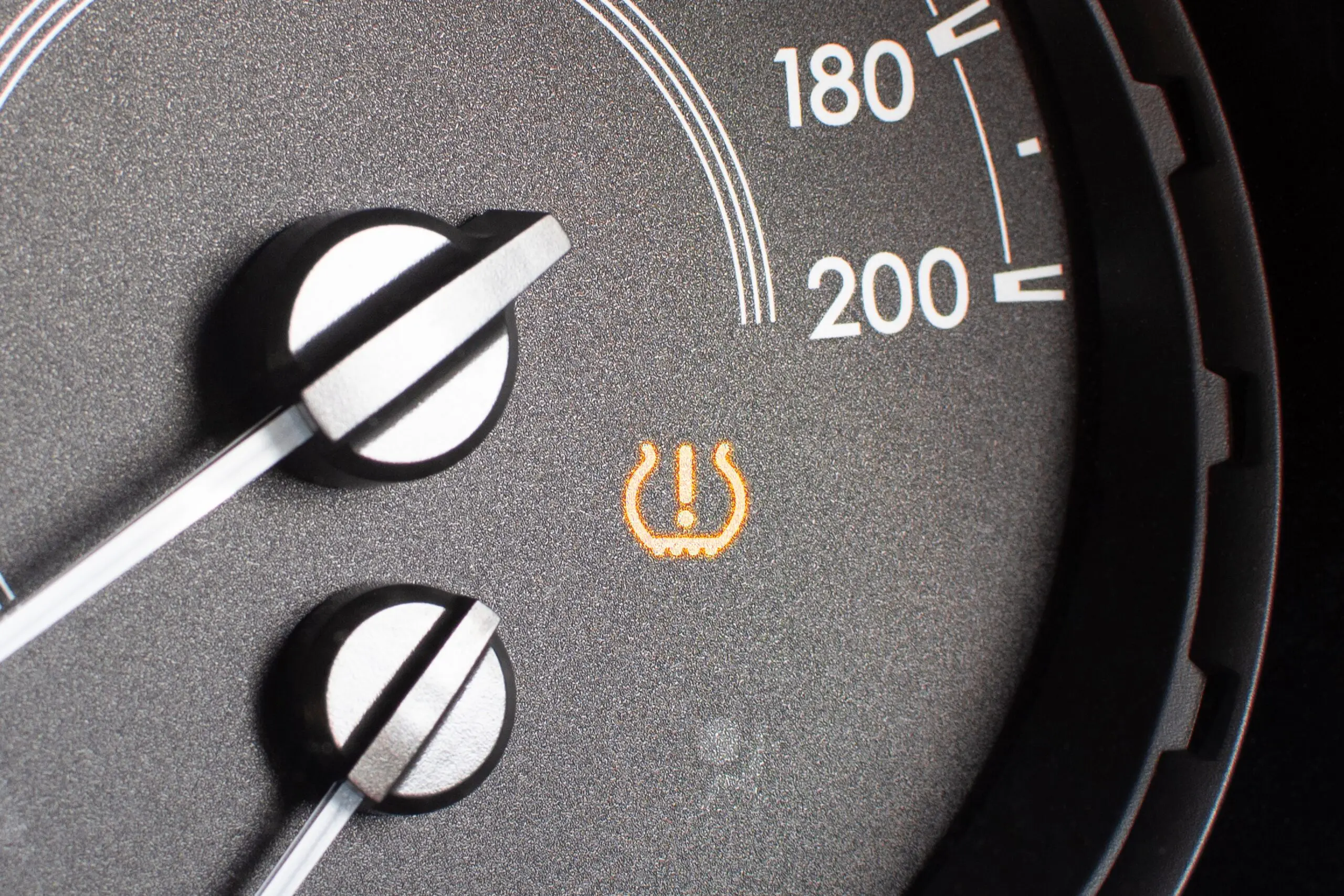
The vehicle dashboard shows warning lights based on sensor data. Drivers see clear alerts if tire pressure is low or high. These indicators help prevent accidents.
| Warning Light | Meaning | Driver Action |
| Tire Pressure Monitoring System (TPMS) Light | Low tire pressure detected | Check and inflate tires |
| Flashing TPMS Light | Sensor malfunction or battery low | Visit service center |
| No Warning Light | Normal tire pressure | No action needed |
Credit: www.telletire.com
Benefits Of Tire Pressure Sensors
Tire pressure sensors help drivers keep their tires at the right pressure. They send alerts if the pressure is too low or too high. This helps avoid accidents and improves driving safety.
These sensors also save money by improving fuel use and making tires last longer. They are a simple tool with many advantages for car owners.
Safety Improvements
Tire pressure sensors warn drivers about unsafe tire pressure early. This reduces the risk of tire blowouts and accidents. Proper tire pressure also helps maintain good vehicle control.
- Alert drivers to underinflated or overinflated tires
- Reduce chances of tire failure on the road
- Improve braking and steering response
- Help avoid dangerous hydroplaning in wet conditions
Fuel Efficiency And Tire Longevity
Keeping tires at the correct pressure lowers rolling resistance. This means the engine uses less fuel. It also stops uneven tire wear, which extends tire life.
| Benefit | How It Helps |
| Better Fuel Economy | Reduces fuel consumption by lowering rolling resistance |
| Longer Tire Life | Prevents uneven wear and damage to tires |
| Lower Maintenance Costs | Less frequent tire replacements and repairs |
Common Sensor Issues
Auto tire pressure sensors help keep your driving safe. They alert you if tire pressure is too low or too high. But sometimes, these sensors stop working well.
Understanding common problems can help you fix or avoid sensor issues. This guide covers causes of malfunction and tips for troubleshooting.
Causes Of Malfunction
Tire pressure sensors can fail for many reasons. Knowing these causes helps you spot problems early and keep your car safe.
- Dead or weak sensor battery
- Damage from road debris or tire changes
- Corrosion on sensor parts
- Signal interference from other electronic devices
- Improper installation or sensor misalignment
- Extreme weather conditions affecting sensor performance
Troubleshooting Tips
Fixing sensor issues often starts with simple checks. Use these tips to find and solve common problems.
| Problem | Possible Cause | Action |
| No sensor signal | Dead battery | Replace sensor battery or sensor |
| False low pressure warning | Sensor damage or misalignment | Inspect and reposition or replace sensor |
| Intermittent alerts | Signal interference | Remove nearby devices or check sensor range |
| Sensor not detected after tire change | Improper sensor reinstallation | Reinstall sensor correctly or visit a mechanic |

Credit: www.schradertpms.com
Sensor Maintenance And Replacement
Auto tire pressure sensors are vital for vehicle safety. They help keep track of tire pressure, ensuring a smooth and safe ride.
Regular maintenance and timely replacement of these sensors are key. This helps ensure optimal performance and safety.
When To Replace Sensors
Knowing when to replace your tire pressure sensors is important. Sensors usually last about 5 to 10 years, depending on use and conditions.
- Battery failure, often indicated by a warning light
- Physical damage from road debris
- Consistent inaccurate readings
Proper Installation Practices
Installing tire pressure sensors correctly is crucial for their function. Improper installation can lead to sensor damage or inaccurate readings.
| Installation Step | Importance |
| Use the correct tools | Prevents sensor damage |
| Follow manufacturer guidelines | Ensures proper fit |
| Check for leaks after installation | Maintains tire pressure |
Future Trends In Tire Pressure Monitoring
Tire pressure sensors keep our vehicles safe and efficient. These sensors alert drivers to low tire pressure. Future trends will make these sensors even smarter.
Technological advancements are driving changes in tire pressure monitoring. Integration with smart vehicles is also a key focus. Let’s explore these exciting developments.
Advancements In Sensor Technology
New sensor technologies are on the rise. They offer better accuracy and reliability. These sensors can work in extreme conditions.
- Wireless sensors require no batteries.
- Self-calibrating sensors adjust automatically.
- Miniature sensors fit into smaller tires.
Integration With Smart Vehicles
Smart vehicles are the future of transportation. Tire pressure sensors will integrate seamlessly with these vehicles. This integration enhances safety and performance.
| Feature | Benefit |
| Real-time monitoring | Immediate alerts |
| Data analytics | Predictive maintenance |
| Cloud connectivity | Remote monitoring |
Frequently Asked Questions
What Is An Auto Tire Pressure Sensor?
An auto tire pressure sensor monitors tire pressure in real-time. It sends alerts if pressure drops below safe levels. This helps maintain optimal tire performance and safety while driving.
How Do Tire Pressure Sensors Transmit Data?
Tire pressure sensors use wireless signals to send data. They communicate with the vehicle’s onboard computer system. This enables instant alerts on the dashboard for driver awareness.
Why Is Tire Pressure Monitoring Important?
Proper tire pressure improves fuel efficiency and extends tire life. It also enhances vehicle handling and safety. Sensors help prevent accidents caused by under-inflated tires.
Can Tire Pressure Sensors Detect Slow Leaks?
Yes, sensors continuously monitor pressure changes over time. They alert drivers to gradual air loss. This early warning prevents tire damage and unexpected flats.
Conclusion
Auto tire pressure sensors help keep your car safe and efficient. They send real-time data about tire pressure to the dashboard. This helps you fix low pressure before it causes problems. Proper tire pressure saves fuel and extends tire life.
Sensors work by measuring air pressure inside each tire. They alert you quickly if pressure drops too low. Understanding how these sensors work makes car care easier. Regular checks and sensor maintenance keep your tires in good shape. Stay aware and drive with confidence every time.